Boca Raton, FL

Does Invisalign Hurt? Here’s What You Need to Know!


The promise of a straighter smile without traditional braces is incredibly appealing, and Invisalign Treatment has become a household name in orthodontics. But as with any treatment that shifts your teeth, a common question echoes in the minds of prospective patients: “Does Invisalign hurt?”
It’s a valid concern, and the short answer is: While Invisalign isn’t typically described as “painful” in the same way traditional braces can be, you will likely experience some discomfort, pressure, or soreness. Think of it less as sharp pain and more as an adjustment period that your teeth and mouth go through.
Let’s break down what you can expect on your journey to a beautifully aligned smile.
The Science Behind the Shift: Why You Feel Anything at All
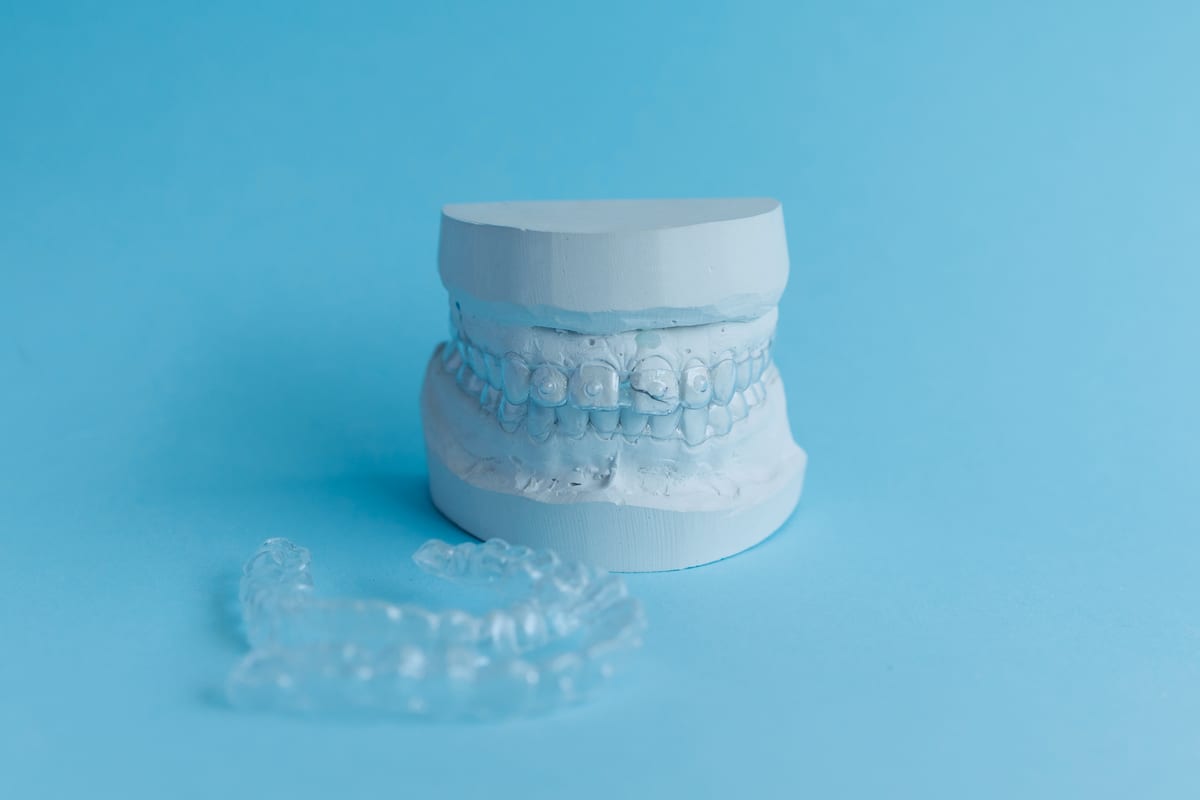
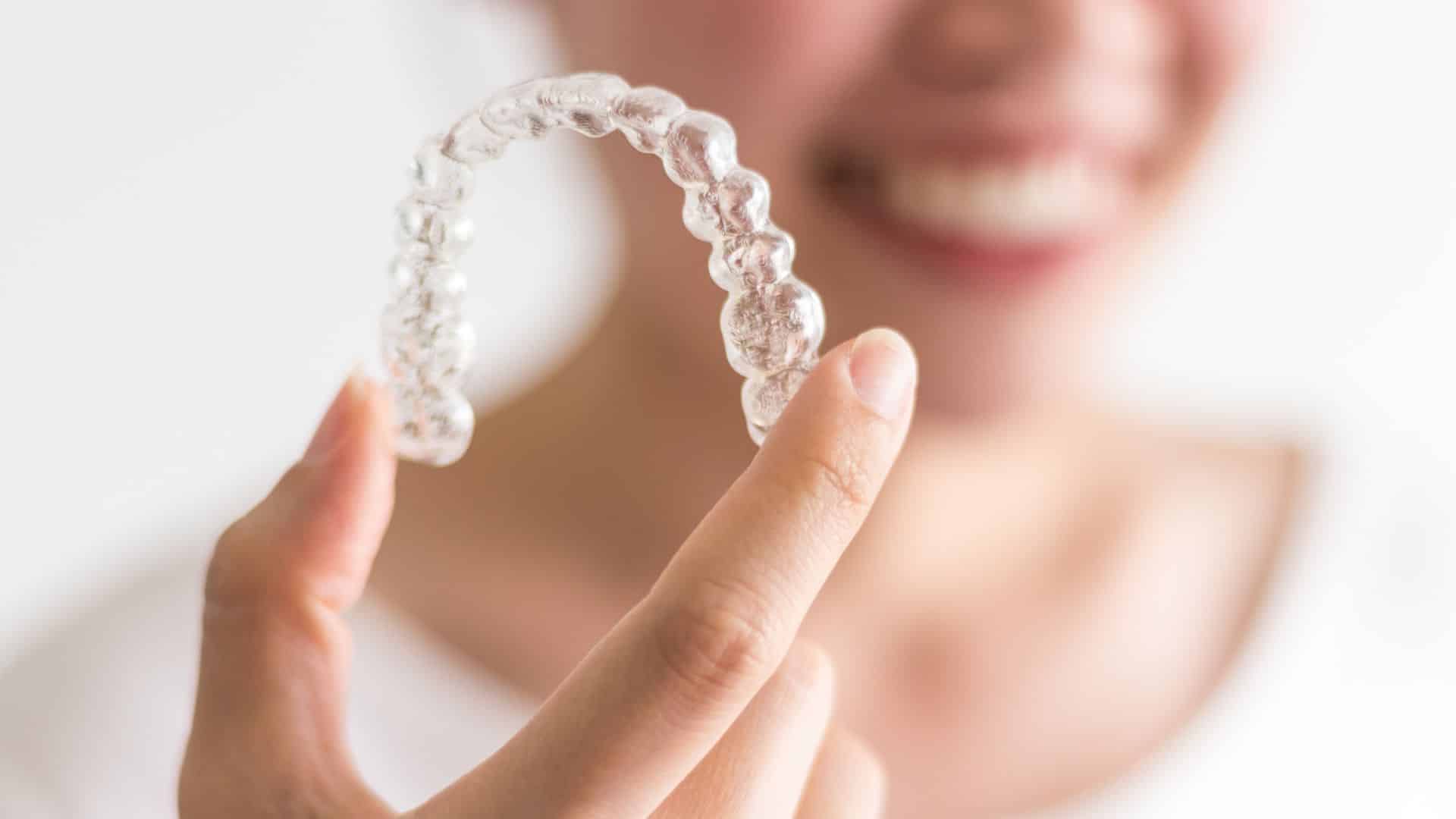
To understand why you might feel discomfort, it helps to know how Invisalign works. Unlike metal braces that use wires and brackets, Invisalign aligners use a series of custom-made, clear plastic aligners. Each set of aligners is designed to gently and gradually move your teeth into their desired positions.
When you switch to a new set of aligners (typically every one to two weeks), they are slightly different from the previous set. This difference creates a subtle, consistent pressure on your teeth, encouraging them to shift. It’s this pressure that you’ll feel, signifying that the aligners are doing their job.
When Discomfort Strikes: The Initial Adjustment Period
The most notable period of discomfort is usually when you first start your Invisalign treatment and when you switch to a new set of aligners.
- First Few Days: The very first time you put in your aligners, your mouth will be getting used to having a new appliance. You might feel a general tightness or pressure on all your teeth. Some people describe it as a dull ache. This sensation usually subsides within a few days as your teeth begin to respond to the gentle force.
- Switching Aligners: Each new set of aligners will apply fresh pressure. You might notice a similar feeling of tightness or tenderness, particularly on the teeth that are scheduled to move the most with that specific aligner. This discomfort typically lasts for 24 to 48 hours after putting in a new set.
Common Sensations: What Does “Discomfort” Really Feel Like?
Instead of sharp pain, patients often describe the sensation as:
- Pressure: A feeling of gentle squeezing on your teeth.
- Tenderness: Your teeth might feel a bit sensitive to bite down on, especially hard foods.
- Soreness: A general ache, similar to what you might feel after a good workout.
- Tightness: The aligners will feel snug, which is exactly how they’re supposed to feel.
It’s also worth noting that some individuals experience temporary lisping or slight irritation to their gums or tongue as they adapt to the presence of the aligners. This usually resolves quickly.
Managing the Discomfort: Practical Tips for Relief
While some discomfort is a normal part of the process, there are several ways to make your Invisalign journey more comfortable:
- Time Your Aligner Changes: Many patients find it helpful to switch to new aligners right before bed. This allows you to sleep through the initial hours of new pressure, and by morning, some of the initial tightness may have eased.
- Over-the-Counter Pain Relievers: If the discomfort is bothering you, over-the-counter pain relievers like ibuprofen or acetaminophen can be effective. Always follow dosage instructions.
- Cold Compresses: Applying a cold compress to your jaw can help alleviate any soreness.
- Soft Foods: During the first day or two with a new set of aligners, opt for softer foods. This will prevent additional tenderness from chewing hard or crunchy items.
- Keep Your Aligners In: It might sound counterintuitive, but consistent wear is key. The more you wear your aligners (20-22 hours a day), the quicker your teeth will adapt, and the sooner any discomfort will subside. Taking them out too frequently can prolong the adjustment period.
- Maintain Good Oral Hygiene: Keeping your aligners and teeth clean can prevent any potential irritation from food particles or bacteria.
When to Contact Your Orthodontist
While mild discomfort is normal, there are instances when you should contact your orthodontist:
- Sharp, persistent pain: If you experience severe or sharp pain that doesn’t subside with over-the-counter pain relievers.
- Aligner doesn’t fit: If an aligner doesn’t seem to fit properly or causes extreme discomfort.
- Sores or cuts: If the aligner is consistently rubbing or cutting your gums, tongue, or cheeks.
The Takeaway: A Worthwhile Investment
In conclusion, while Invisalign isn’t entirely pain-free, the discomfort experienced by most patients is manageable and temporary. It’s a sign that your aligners are actively working to transform your smile. The temporary pressure and soreness are a small price to pay for the long-term benefits of a healthier, straighter, and more confident smile, all without the aesthetics of traditional braces.
Discuss any concerns you have with your orthodontist, and rest assured that millions of people have successfully completed Invisalign treatment, embracing the minor discomfort for the significant results. If you’re considering this treatment, we invite you to visit our dental office to learn more. You can book an appointment with us today to discuss your options and see if Invisalign is right for you. Your beautiful new smile awaits!