Boca Raton, FL

Dry Mouth From Invisalign – Causes and Treatment


Embarking on the journey to a straighter smile with Invisalign treatment is an exciting step. This modern orthodontic solution offers discretion and convenience, but some users report an unexpected side effect: dry mouth, or xerostomia. While not a universal experience, it can be uncomfortable and, if left unaddressed, may lead to other oral health issues. This blog post delves into the causes behind dry mouth from Invisalign and provides a comprehensive guide to effective treatments, ensuring your smile transformation is as comfortable as possible.
Why Does Invisalign Cause Dry Mouth?
The link between Invisalign and dry mouth isn’t a direct chemical reaction but a combination of physical and behavioral factors. Understanding these root causes is the first step toward finding a solution.
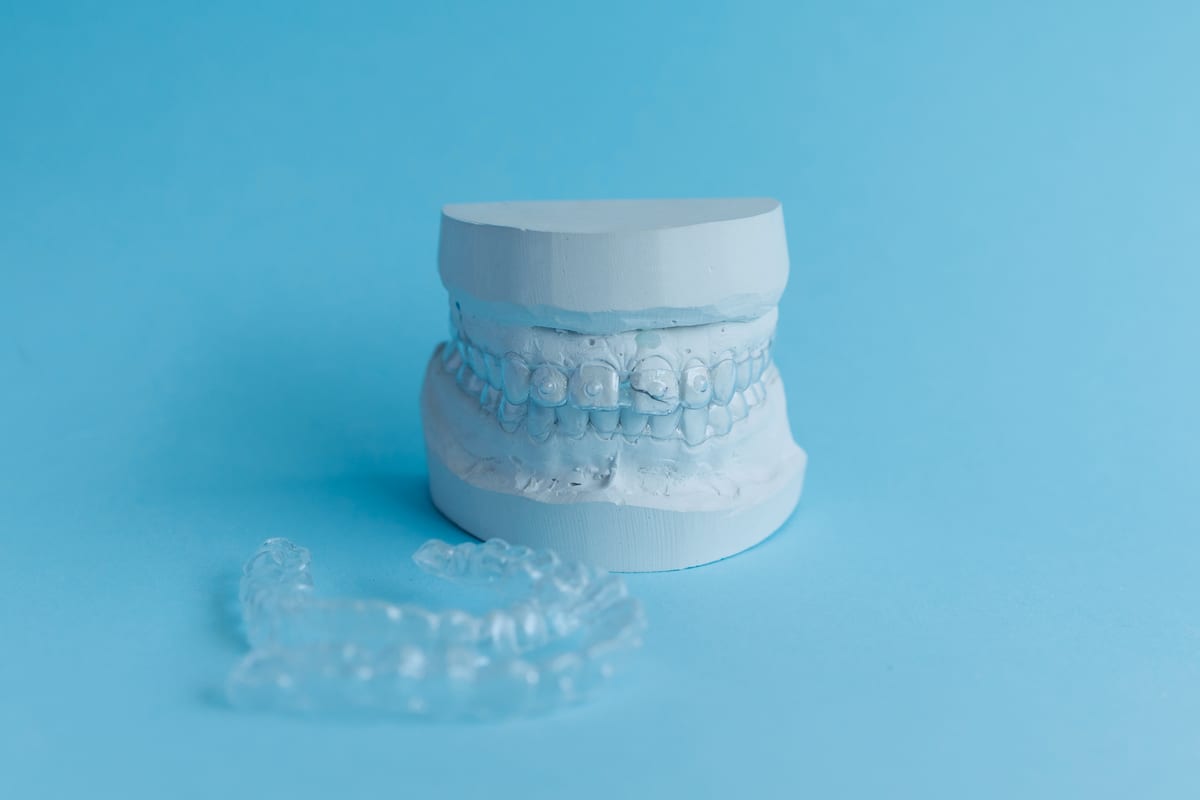
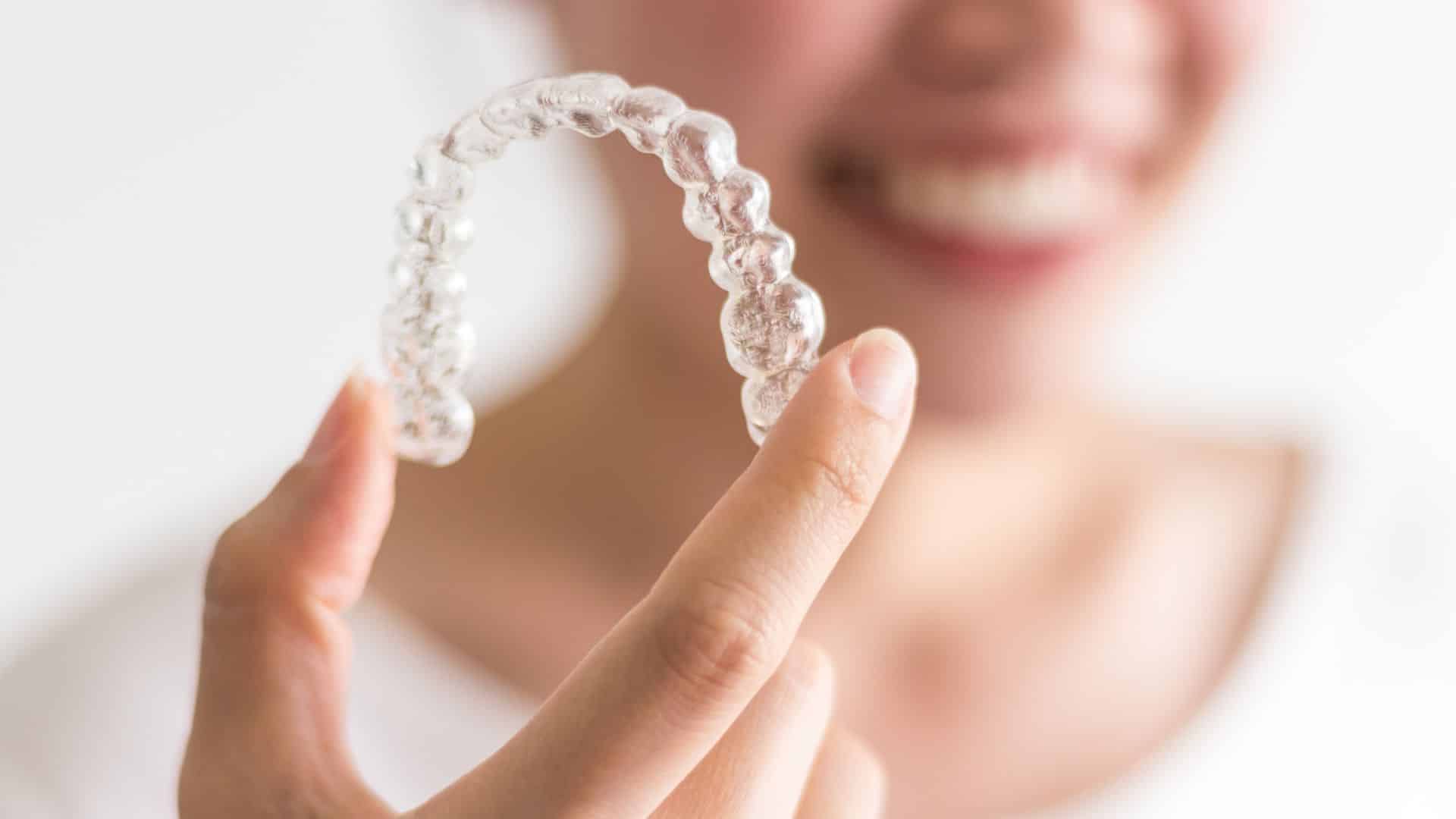
- Physical Barrier: The most prominent cause is the Invisalign aligners themselves. When you wear them, they cover the surfaces of your teeth and some of your gums, creating a physical barrier. This can sometimes interfere with the natural flow and distribution of saliva. While saliva glands still produce moisture, the aligners can make it feel like there’s less of it circulating in your mouth.
- Reduced Salivary Flow: Some individuals may experience a temporary, minor reduction when wearing the aligners. The presence of a foreign object in the mouth can sometimes signal the body to produce less saliva, a response that typically diminishes as you get used to the trays.
- Changes in Habits: A less obvious but significant cause is a change in your daily habits. When you have the aligners in, you may be less inclined to drink water or unconsciously change how you swallow, which can affect saliva production.
The Risks of Ignoring Dry Mouth
Dividing dry mouth as a minor annoyance is tempting, but prolonged xerostomia can have serious implications for oral health. Saliva is a crucial component of a healthy mouth, acting as a natural cleansing agent.
- Increased Risk of Cavities: Saliva helps neutralize acids produced by bacteria and washes away food particles. Without sufficient saliva, your teeth are more vulnerable to decay. The acids and bacteria have more time to attack tooth enamel, especially in the tight confines of the aligners.
- Bad Breath (Halitosis): Saliva helps to wash away odor-causing bacteria. When the mouth is dry, these bacteria can thrive, leading to persistent bad breath.
- Gum Inflammation and Disease: A dry environment can also irritate and inflame gum tissues, increasing the risk of gingivitis and other gum diseases.
Practical Solutions for a Moist Mouth
Fortunately, managing and treating dry mouth from Invisalign is straightforward. Here are several effective strategies you can implement today.
- Stay Hydrated, Constantly: This is the most crucial step. Keep a water bottle with you always and take frequent sips throughout the day. Water not only helps to wash away bacteria but also keeps your mouth feeling moist. Opt for plain water over sugary or acidic drinks.
- Practice Good Oral Hygiene: Brush and floss regularly, especially after meals. This is always important, but with the added risk of dry mouth, it’s non-negotiable. Clean aligners thoroughly as well to prevent the buildup of bacteria.
- Stimulate Saliva Production: Chew sugar-free gum or suck on sugar-free candies (with the aligners out, of course). The act of chewing stimulates salivary glands. Look for products containing xylitol, which sweetens and helps inhibit the growth of cavity-causing bacteria.
- Use Saliva-Boosting Products: Over-the-counter products are available to help with dry mouth. Sprays, lozenges, and mouthwashes specifically formulated for xerostomia can provide immediate relief. Look for alcohol-free brands, as alcohol can be drying.
- Humidify Your Environment: Using a humidifier in your bedroom, especially at night, can help. This is particularly useful if you tend to sleep with your mouth open, which can exacerbate dry mouth.
- Breathe Through Your Nose: Consciously breathe through your nose, not your mouth. Mouth-breathing dries out the mouth and is a common cause of xerostomia, both with and without Invisalign.
When to Seek Professional Advice
While these at-home remedies are highly effective, if your dry mouth persists or becomes severe, you must consult your dentist or orthodontist. They can rule out other underlying health conditions and recommend professional-grade solutions. If you have any concerns about your treatment, don’t hesitate to visit our dental office for a check-up. We can discuss your symptoms and ensure your oral health is on track. You can book an appointment with us today to learn more or get started with your smile transformation.
Conclusion
Dry mouth from Invisalign is a common but manageable side effect. By understanding its causes and proactively implementing these simple yet effective solutions, you can maintain a healthy, comfortable mouth throughout your orthodontic treatment. Don’t let a dry mouth derail your journey to a perfect smile. You can focus on the incredible transformation ahead with a little awareness and the right habits.