Boca Raton, FL

When is the Right Time to Get Braces for Your Child?

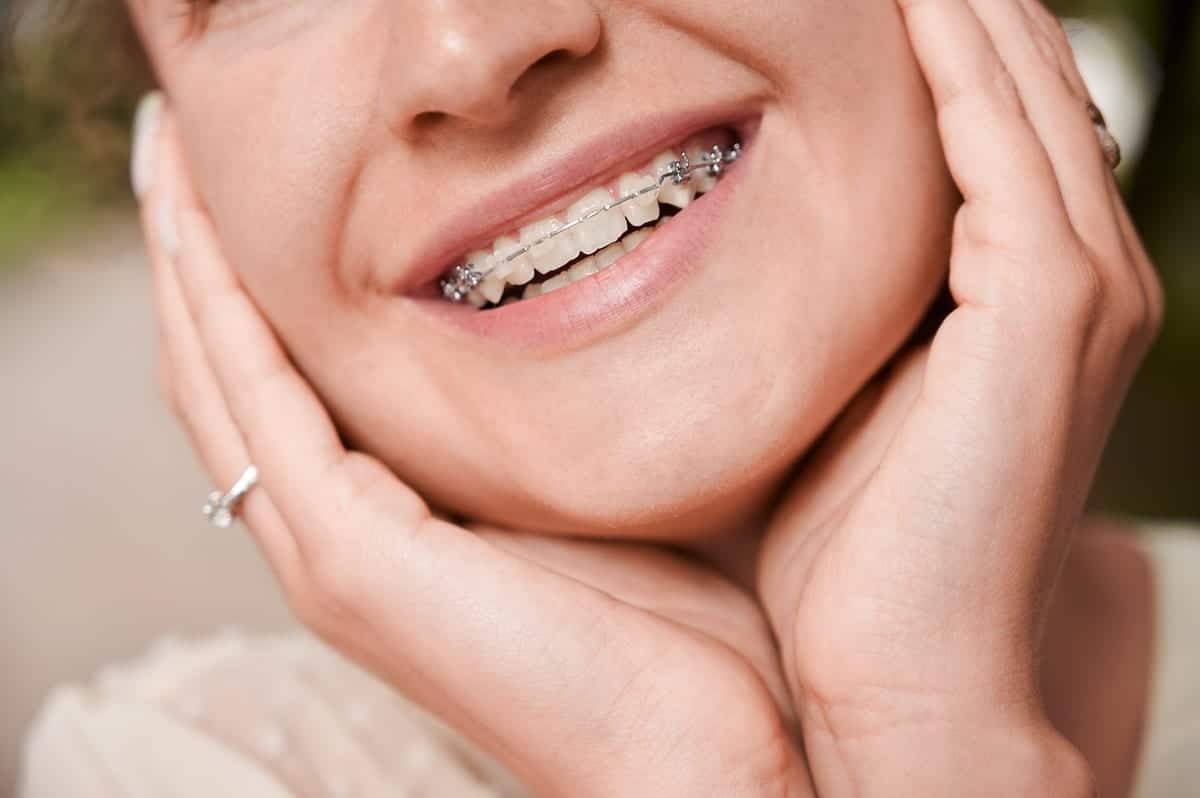
As a parent, you want the best for your child’s health, including a straight, healthy smile. One of the most common concerns is “When is the right time to get braces?“ There’s no perfect age, but there is an optimal window that can make treatment faster and more effective. Understanding the different phases of orthodontic care is the key to making an informed decision.
The First Step: An Orthodontic Evaluation by Age Seven
The American Association of Orthodontists (AAO) recommends that all children have their first orthodontic screening no later than age seven. By this age, your child has enough permanent teeth for an orthodontist to assess their developing bite and jaw structure accurately.
Why age seven?
- Early Detection: An orthodontist can spot subtle problems with jaw growth and emerging permanent teeth that may not be apparent to a general dentist or a parent.
- Proactive Planning: This initial check-up doesn’t usually mean immediate dental braces. Instead, it provides a “road map” for their dental development. The orthodontist might recommend simply monitoring your child’s growth and returning for check-ups every 6 to 12 months.
This early assessment is crucial for intercepting potential issues before they become severe, often simplifying or shortening future treatment.
Phase I Treatment: Early Intervention (Ages 7–10)
For some children, an orthodontist may recommend starting treatment early, typically between the ages of 7 and 10. This is known as Phase I or Interceptive Treatment. This phase is specifically designed to correct significant problems while the jawbones are still growing and pliable.
The Goal of Phase I:
The primary purpose is not to perfect the alignment of every tooth, but to correct major issues that could hinder future development. This might involve:
- Guiding Jaw Growth: Using appliances like palatal expanders to widen a narrow upper jaw or correct certain crossbites and underbites. Correcting these skeletal issues is much easier while the child is actively growing.
- Creating Space: Managing crowded conditions to ensure permanent teeth have enough room to erupt correctly, potentially avoiding the need for tooth extractions later.
- Reducing Trauma Risk: Bringing severely protruding front teeth (“buck teeth”) back into alignment to protect them from injury.
- Eliminating Harmful Habits: Stopping thumb-sucking or tongue-thrusting habits that affect tooth alignment.
Phase I treatment typically lasts about 10 to 15 months and is often followed by a period of rest while the remaining permanent teeth erupt. If you’re concerned about your child’s smile, don’t wait—book an appointment with an orthodontic specialist today.
The Optimal Time: Comprehensive Treatment (Ages 11–14)
For the vast majority of children, the pre-teen and early teen years (ages 11–14) are considered the ideal time to get full braces. This is typically referred to as Phase II or Comprehensive Treatment.
Why is this age optimal?
- Permanent Teeth are In: Most or all permanent teeth have erupted, giving the orthodontist a complete picture to finalize the bite.
- Active Growth: The jaw and facial bones are still undergoing growth spurts, making the teeth and surrounding structures more responsive to movement. This allows for more efficient and predictable tooth movement.
- Faster Results: Because the mouth is still developing, treatment during this window often yields quicker, more stable results compared to starting later in life.
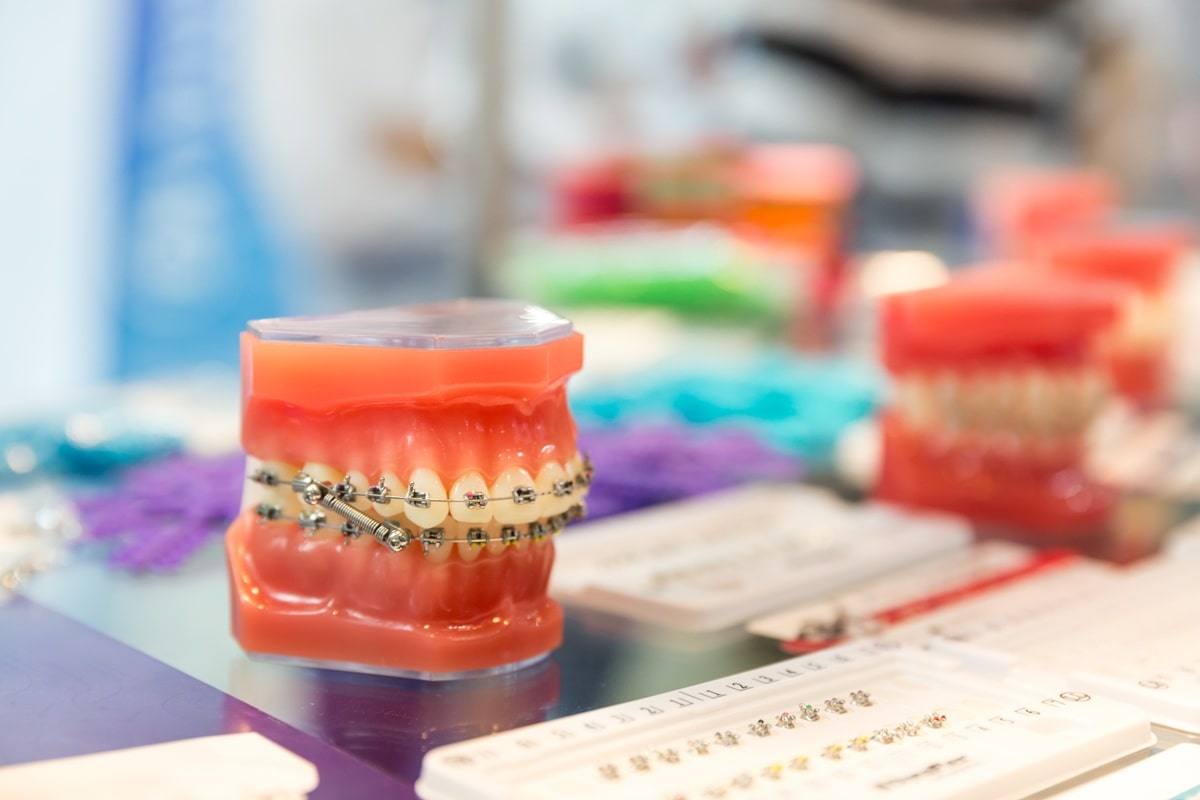
This is the stage where full traditional appliances or clear aligners are typically used to correct all remaining alignment, spacing, and bite issues, creating that perfect, straight smile. The average treatment time is generally 18 to 24 months.
Telltale Signs Your Child May Need Braces
While a professional evaluation is the only way to be certain, here are common signs that your child might benefit from an orthodontic consultation:
- Crowded or Overlapping Teeth
- Gaps or large spaces between teeth
- Difficulty chewing or biting
- Early or late loss of baby teeth (before age 5 or still remaining after age 12)
- Mouth breathing or persistent thumb-sucking past age five
- Misaligned Bite: When teeth don’t meet properly (e.g., an overbite, underbite, or crossbite)
If any of these signs sound familiar, we encourage you to visit our dental office for a comprehensive evaluation.
Conclusion: Timing is Everything
Determining the right time for braces is a personalized journey best guided by a professional. The most critical step is scheduling that initial consultation by age seven. This early visit ensures that if a problem is present, it can be addressed at the most opportune moment—whether through early intervention (Phase I) or by waiting for the optimal developmental window in the early teens (Phase II). By partnering with an orthodontist, you are setting the stage for your child to achieve a healthy, functional, and confident smile that will last a lifetime.