Boca Raton, FL

Invisalign Takes How Long? What Actually Speeds Up Your Results

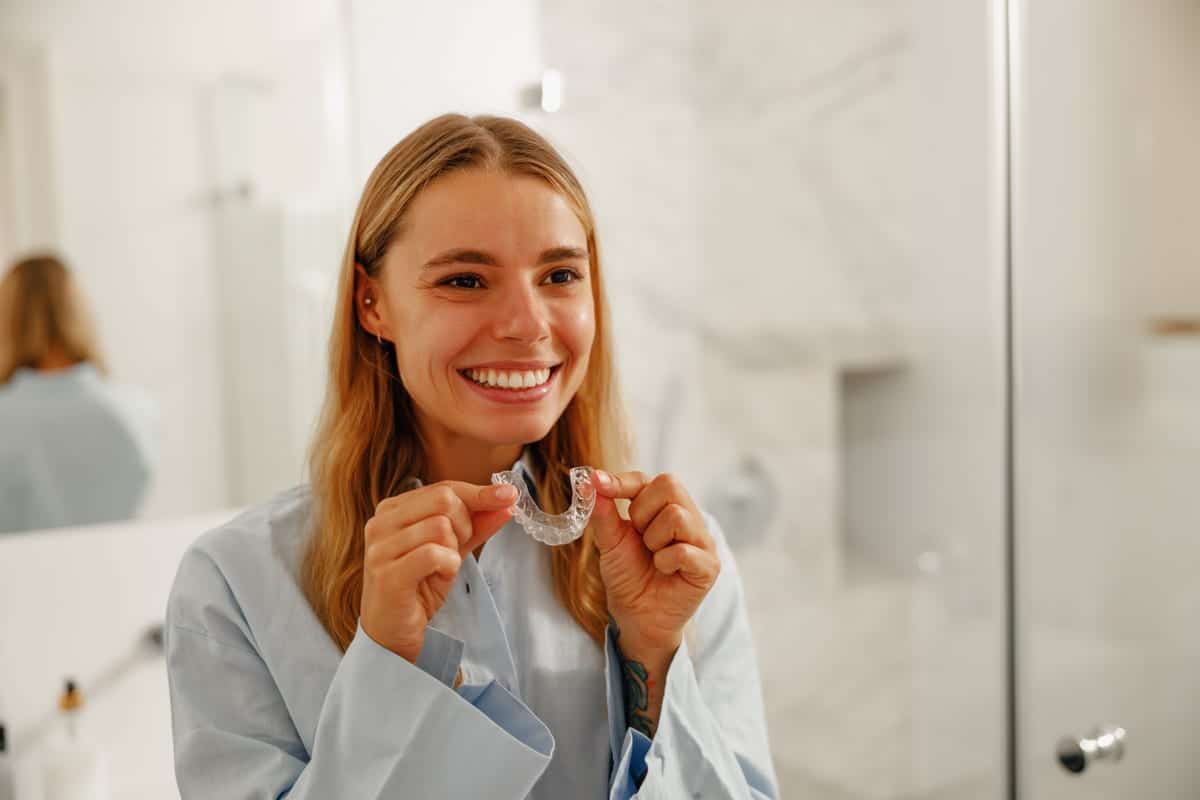
If you’ve been asking yourself how long Invisalign takes and what actually speeds up your results, you’re not alone. It’s one of the first questions patients ask Dr. Robert Shelling at Shelling Orthodontics Boca Raton. The honest answer is: it depends. But there are real, science-backed factors that influence your timeline — and most of them are within your control.
Understanding what shapes your Invisalign journey helps you set realistic expectations. It also helps you become an active participant in your own results. This guide walks you through average treatment lengths, the biggest timeline influencers, and how you can help move things along.
What Is the Average Invisalign Timeline?
Most adults complete Invisalign treatment in 12 to 18 months. Some mild cases wrap up in as few as 6 months. More complex alignment issues can extend treatment to 24 months or beyond.
Teen patients sometimes see faster movement due to bone flexibility. Adults may take a bit longer for the same reason. Every patient’s biology and starting point are different.
At Shelling Orthodontics, Dr. Shelling maps out a customized treatment plan from your very first appointment. That plan includes a projected timeline based on your specific tooth positions and bite. It gives you a realistic target — not a vague estimate.
Working with a qualified orthodontist means you’ll get an honest projection from day one. Generic timelines from the internet can mislead. Your case is unique, and your timeline should reflect that.
Factors That Actually Speed Up Your Invisalign Results
Several key factors can shorten your treatment time meaningfully. Some are clinical. Others are completely in your hands.
- Wearing your aligners 20–22 hours daily — This is the single biggest factor. Skipping wear time delays tooth movement significantly.
- Switching trays on schedule — Moving to the next aligner set on time keeps momentum going. Delaying switches stalls progress.
- Attending all check-up appointments — Regular visits allow Dr. Shelling to monitor progress and catch issues early.
- Maintaining good oral hygiene — Healthy gums and teeth respond better to orthodontic pressure.
- Using AcceleDent or similar vibration devices — Some patients see faster bone remodeling with these adjunct tools.
- Avoiding aligner damage — Cracked or warped trays lose their corrective force and may need replacement.
The most powerful accelerator is simple: wear your aligners consistently. Patients who hit 22 hours of daily wear routinely finish ahead of schedule. It sounds straightforward, but it requires real commitment.
What Can Extend Your Invisalign Treatment Time?
Just as compliance speeds things up, certain habits and situations can push your end date further out. Knowing these pitfalls helps you avoid them.
- Skipping wear time — Even a few hours lost daily adds weeks to your overall timeline.
- Losing or breaking aligners — Replacement trays take time to arrive and interrupt your schedule.
- Missing dental appointments — Dr. Shelling can’t monitor or adjust your plan without regular check-ins.
- Complex bite issues — Severe overbites, underbites, or rotations simply require more aligner stages.
- Mid-treatment refinements — If teeth don’t move exactly as planned, refinement aligners extend the process.
Refinements are actually very common and nothing to worry about. They’re a normal part of orthodontic treatment. They ensure your final result is precise, not just close.
The key takeaway is that most timeline extensions are preventable. Consistent habits make a measurable difference in how quickly you reach your smile goal.
The Role of Compliance in Speeding Up Invisalign Results
Compliance is the clinical word orthodontists use to describe how well patients follow their treatment instructions. With Invisalign, compliance is everything. Unlike braces, which work around the clock without any effort from you, clear aligners only work when they’re in your mouth.
Dr. Shelling often tells patients to think of their aligners like a prescription. You wouldn’t skip doses of medication and expect it to work. The same logic applies here.
New aligner technology even tracks wear time. Some systems include tiny compliance indicators that change color with exposure to saliva. These help both patients and providers verify actual wear patterns. Honesty with yourself — and your orthodontist — leads to better outcomes.
Building a simple routine helps enormously. Put your aligners back in immediately after eating and brushing. Keep a case on you at all times. Set a phone reminder if needed. Small habits create big results over a 12-to-18-month treatment period.
How Dr. Shelling Customizes Your Invisalign Timeline
Not every Invisalign case is the same, and Dr. Robert Shelling approaches each patient as an individual. During your initial consultation at Shelling Orthodontics Boca Raton, he uses advanced digital imaging to map your current tooth positions precisely.
From there, he builds a virtual treatment simulation. You’ll see exactly how your teeth are expected to move — stage by stage. This simulation also produces your projected timeline.
Dr. Shelling monitors your progress at every appointment. If teeth are moving faster than expected, he can sometimes accelerate your aligner change schedule. If something isn’t responding as planned, he adjusts the approach before it causes delays.
This proactive, personalized care is what separates a well-managed Invisalign case from a frustrating one. Patients deserve a provider who stays engaged throughout the entire process — not just at the start.
Conclusion: Your Timeline Is in Your Hands
Invisalign is a highly effective treatment, but results don’t happen passively. Your compliance, your habits, and your provider’s expertise all shape how quickly you reach your final smile. Most patients complete treatment within 12 to 18 months. Many finish sooner when they commit fully to wearing their aligners and attending every appointment.
Dr. Robert Shelling and the team at Shelling Orthodontics Boca Raton will guide you through every stage of the journey. You deserve clear answers, realistic expectations, and a partner who’s invested in your outcome. Book Now to schedule your appointment with our team.
Frequently Asked Questions
1. How long does Invisalign typically take for mild cases?
Mild alignment issues — such as minor crowding or small gaps — can often be corrected in as few as 6 to 9 months with Invisalign. Dr. Shelling will assess your specific situation during your consultation and give you a realistic estimate based on your tooth positions.
2. Does wearing Invisalign longer each day really make a difference?
Yes, it makes a significant difference. Invisalign aligners are designed to apply consistent, gentle pressure over time. Wearing them for 20 to 22 hours daily ensures teeth move on schedule. Every hour of missed wear time slows the process and can add weeks to your overall treatment length.
3. What happens if I lose an aligner during treatment?
Contact Dr. Shelling’s office right away if you lose an aligner. Depending on where you are in treatment, you may move to the next tray or go back to a previous one temporarily. Acting quickly minimizes delays. This is why it’s also helpful to keep your previous set of aligners until you’ve confirmed the new ones fit correctly.
4. Are refinements a sign that something went wrong with my Invisalign treatment?
Not at all. Refinements are a planned and common part of Invisalign treatment. Teeth don’t always move exactly as predicted by the initial digital model. Refinement aligners fine-tune the final result and are typically included in your treatment plan. They’re a sign of thorough care, not a problem.
5. Can adults achieve the same Invisalign results as teenagers?
Absolutely. Adults achieve excellent Invisalign results every day. Treatment may take slightly longer for adults compared to teens because adult bone is denser and less responsive to pressure. However, adults often have better compliance habits, which can offset that difference significantly.