Boca Raton, FL

Can I Get Invisalign If I’ve Had Gum Disease or Bone Loss?

Many adults dream of achieving a straighter smile but hesitate to explore orthodontic treatment because of past dental health issues. One of the most common questions orthodontists hear is: “Can I get Invisalign if I’ve had gum disease or bone loss?” The answer is often yes, but it depends on your individual oral health situation.
Advancements in orthodontics have enabled many patients with a history of periodontal disease to safely improve their smiles. However, proper evaluation and treatment planning are essential before beginning any orthodontic journey.
If you’re considering Invisalign treatment in Boca Raton, understanding how gum disease and bone loss affect tooth movement can help you make an informed decision.
Understanding Gum Disease and Bone Loss
Gum disease, also known as periodontal disease, is an infection that affects the gums and supporting structures around the teeth. It typically begins as gingivitis, causing redness, swelling, and bleeding gums. When left untreated, it can progress into periodontitis, which may damage the tissues and bone that hold teeth in place.
Bone loss occurs when the jawbone surrounding the teeth begins to deteriorate. This can result from advanced gum disease, tooth loss, trauma, or certain medical conditions. As bone support decreases, teeth may become loose, shift position, or even fall out.
Because orthodontic treatment relies on moving teeth through the jawbone, the health of your gums and bone structure plays a significant role in determining whether Invisalign is a suitable option.
Can You Still Qualify for Invisalign?
In many cases, patients with a history of gum disease or mild to moderate bone loss can still receive Invisalign treatment. The key factor is whether the gum disease is currently under control.
Before starting treatment, your orthodontist and dentist will evaluate:
- The current health of your gums
- The amount of bone support around your teeth
- Tooth stability
- Overall oral hygiene habits
- Your long-term treatment goals
If active gum disease is present, it must be treated before orthodontic treatment begins. Moving teeth while periodontal disease is active can worsen bone loss and compromise the health of your smile.
Fortunately, many patients who have successfully treated gum disease can move forward with orthodontic care once their oral health is stable.
Why Invisalign May Be Better Than Traditional Braces
For patients with a history of periodontal concerns, Invisalign often offers several advantages compared to traditional braces.
Easier Oral Hygiene
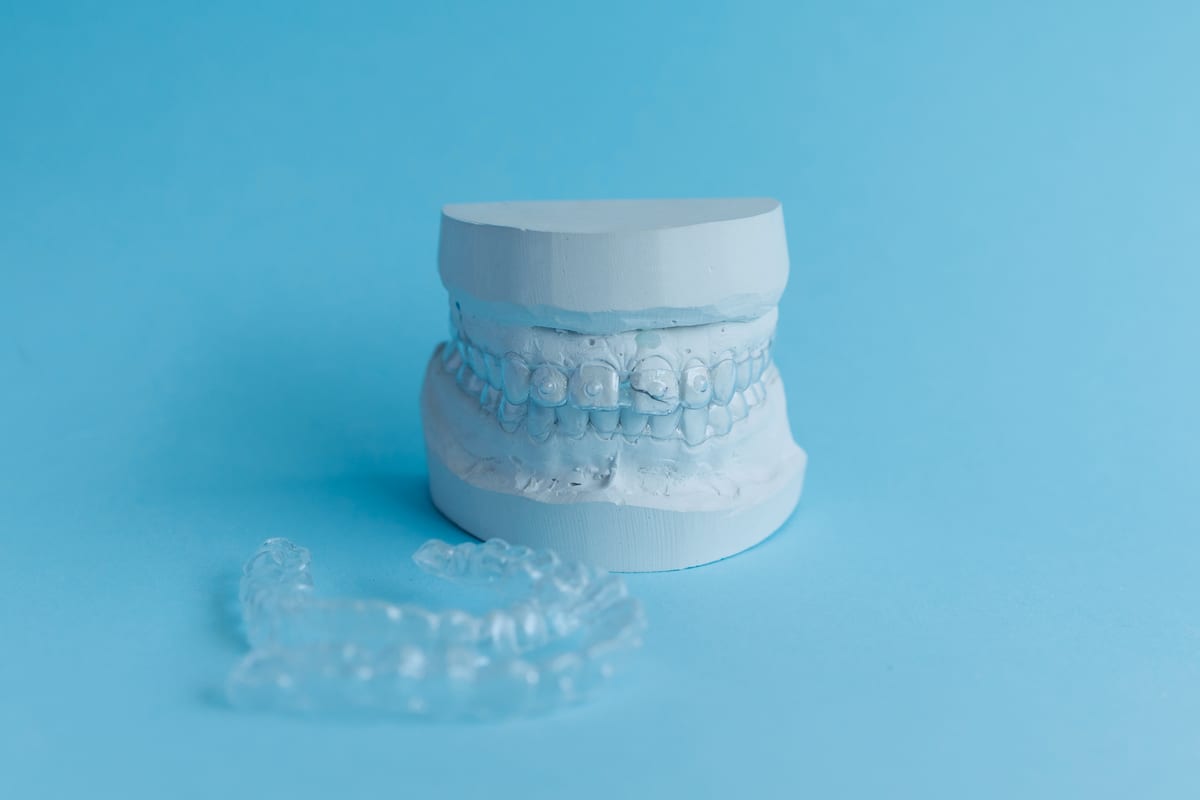
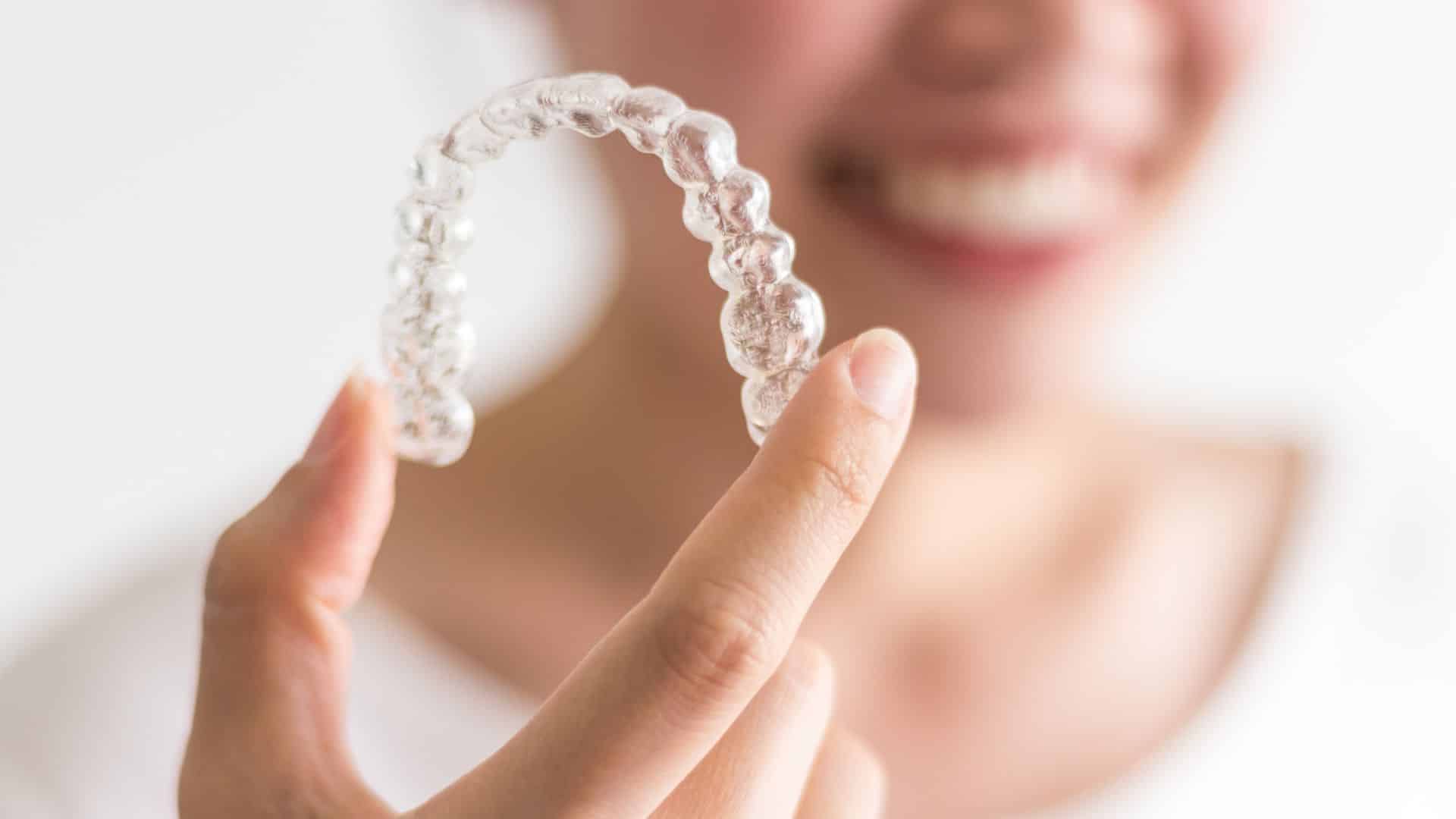
One of the biggest benefits of invisalign aligners is that they are removable. Unlike braces, which can trap food and plaque around brackets and wires, aligners can be taken out when brushing and flossing.
This allows patients to maintain better oral hygiene throughout treatment, reducing the risk of gum inflammation and future periodontal problems.
Reduced Irritation
Traditional braces can sometimes irritate gum tissue, especially in patients with sensitive gums. Invisalign aligners are made from smooth plastic and typically cause less irritation.
Controlled Tooth Movement
Invisalign treatment uses advanced digital planning to create gradual, controlled tooth movement. This precision can be particularly beneficial for patients who have experienced bone loss because tooth movement can be carefully managed to protect supporting structures.
Fewer Emergency Visits
Broken brackets and poking wires can create complications during treatment. Invisalign patients generally experience fewer orthodontic emergencies, making treatment more convenient and comfortable.
How Bone Loss Affects Orthodontic Treatment
Bone loss does not automatically eliminate your eligibility for Invisalign. However, it does require special consideration.
When healthy bone surrounds a tooth, it provides the support needed for safe movement. If significant bone loss has occurred, tooth movement may need to be slower and more carefully monitored.
Your orthodontist may recommend:
- Periodontal evaluation before treatment
- Additional imaging or X-rays
- More frequent monitoring appointments
- Modified treatment goals
- Collaboration with a periodontist
The amount and location of bone loss can vary significantly from patient to patient. Some individuals may have only minor bone reduction, while others may require periodontal treatment before beginning orthodontic care.
A personalized treatment plan is essential for achieving both healthy and aesthetic results.
What Happens Before Invisalign Treatment?
Patients with a history of gum disease typically undergo a thorough evaluation before receiving Invisalign.
Comprehensive Examination
Your orthodontist will assess:
- Gum health
- Bone levels
- Tooth alignment
- Bite function
- Existing restorations
- Overall oral health
Digital Imaging
Modern orthodontic technology allows providers to evaluate your smile in great detail. Digital scans and X-rays help identify potential concerns and determine whether your teeth can be moved safely.
Periodontal Clearance
If you’ve previously experienced gum disease, your orthodontist may work closely with your general dentist or periodontist. In some cases, periodontal clearance is recommended before treatment begins.
This collaborative approach helps ensure your gums are healthy enough to support successful tooth movement.
Signs Your Gum Disease Must Be Treated First
Orthodontic treatment should typically be postponed if you are experiencing active periodontal disease symptoms such as:
- Bleeding gums
- Swollen or tender gums
- Gum recession
- Persistent bad breath
- Loose teeth
- Pus between teeth and gums
- Pain while chewing
These symptoms indicate ongoing inflammation that should be addressed before beginning Invisalign treatment.
Treating gum disease first helps protect your long-term oral health and increases the likelihood of successful orthodontic results.
Maintaining Healthy Gums During Invisalign Treatment
Once you begin treatment, maintaining excellent oral hygiene becomes even more important.
Brush Thoroughly
Brush after every meal before reinserting your aligners. This helps prevent bacteria and plaque from becoming trapped against your teeth.
Floss Daily
Daily flossing removes debris and plaque from between teeth and along the gumline.
Clean Your Aligners
Regularly cleaning your aligners helps reduce bacterial buildup and keeps them clear and fresh.
Attend Regular Dental Visits
Routine cleanings and periodontal maintenance appointments are essential throughout treatment.
Follow Your Orthodontist’s Instructions
Wearing your aligners as directed and attending scheduled appointments allows your provider to monitor tooth movement and gum health carefully.
Benefits of Straightening Teeth After Gum Disease Treatment
Many patients are surprised to learn that orthodontic treatment may actually improve their long-term oral health.
When teeth are crowded or misaligned, plaque and bacteria can accumulate in hard-to-reach areas. Straightening teeth often makes brushing and flossing easier and more effective.
Potential benefits include:
- Improved oral hygiene
- Reduced plaque accumulation
- Better bite function
- Enhanced smile appearance
- Increased confidence
- Easier maintenance of periodontal health
For many patients, orthodontic treatment becomes part of a larger plan to protect their smile for years to come.
Are There Situations Where Invisalign May Not Be Recommended?
While Invisalign is an excellent option for many patients, certain circumstances may require alternative approaches.
Severe uncontrolled gum disease, extensive bone loss, or extremely loose teeth may make orthodontic treatment unsafe until additional dental care is completed.
Every case is unique. The only way to determine whether Invisalign is right for you is through a professional evaluation.
An experienced orthodontist can assess your condition and recommend the safest, most effective treatment plan based on your needs.
Why Choose Shelling Orthodontics for Invisalign Treatment in Boca Raton?
At Shelling Orthodontics, we understand that every smile has a unique history. Many adults seeking orthodontic care have concerns about prior dental issues, such as gum disease or bone loss.
Our team takes a comprehensive approach to treatment planning, carefully evaluating your oral health before recommending Invisalign. Using advanced technology and personalized care, we help patients achieve healthier, more confident smiles while protecting their long-term dental health.
If you’re wondering whether invisalign aligners are right for you, our experienced team can provide the guidance and support you need.
Frequently Asked Questions
1. Can I get Invisalign if I had gum disease years ago?
Yes. Many patients who previously had gum disease can successfully undergo Invisalign treatment once the condition has been treated and stabilized.
2. Does bone loss automatically disqualify me from Invisalign?
No. Mild to moderate bone loss does not necessarily prevent orthodontic treatment. Your orthodontist will evaluate the extent of bone loss and determine whether treatment can be performed safely.
3. Will Invisalign make gum disease worse?
If active gum disease is present, treatment should generally be delayed until the condition is controlled. Once your gums are healthy, Invisalign can often be completed safely with proper oral hygiene and monitoring.
4. Can Invisalign help improve oral health?
Straightening teeth can make brushing and flossing easier, helping many patients maintain better oral hygiene and reduce plaque buildup.
5. How do I know if I’m a candidate for Invisalign?
The best way to find out is to schedule a consultation. Your orthodontist will evaluate your gums, bone levels, bite, and overall oral health before recommending treatment.
Schedule Your Invisalign Consultation Today
A history of gum disease or bone loss doesn’t necessarily mean you have to give up on the smile you’ve always wanted. With proper evaluation, treatment planning, and ongoing care, many patients can successfully complete Invisalign treatment in Boca Raton and enjoy healthier, straighter teeth.
If you’re ready to learn whether Invisalign is right for you, visit our dental office and meet with the experienced team at Shelling Orthodontics. We’ll assess your smile, answer your questions, and create a personalized treatment plan designed around your unique needs.
Contact Shelling Orthodontics today to book an appointment and take the first step toward a healthier, more confident smile.