Boca Raton, FL

Can Invisalign Fix Rotated Teeth and How Long Does It Usually Take?

If you have a tooth that appears twisted, turned, or out of alignment, you may be wondering whether Invisalign can actually correct it. The good news is that Invisalign has become one of the most effective solutions for treating mild to moderate tooth rotation in both teens and adults.
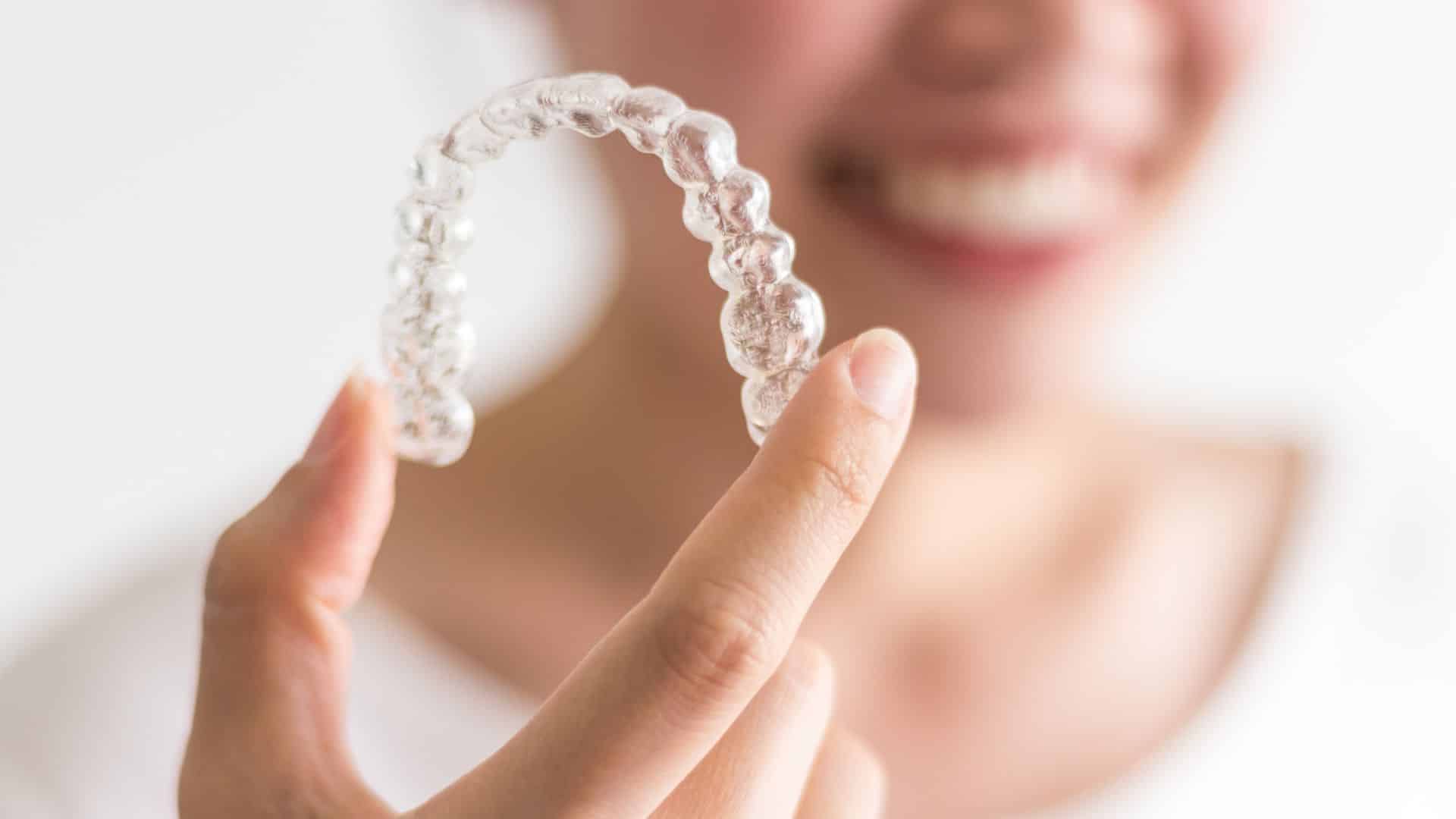
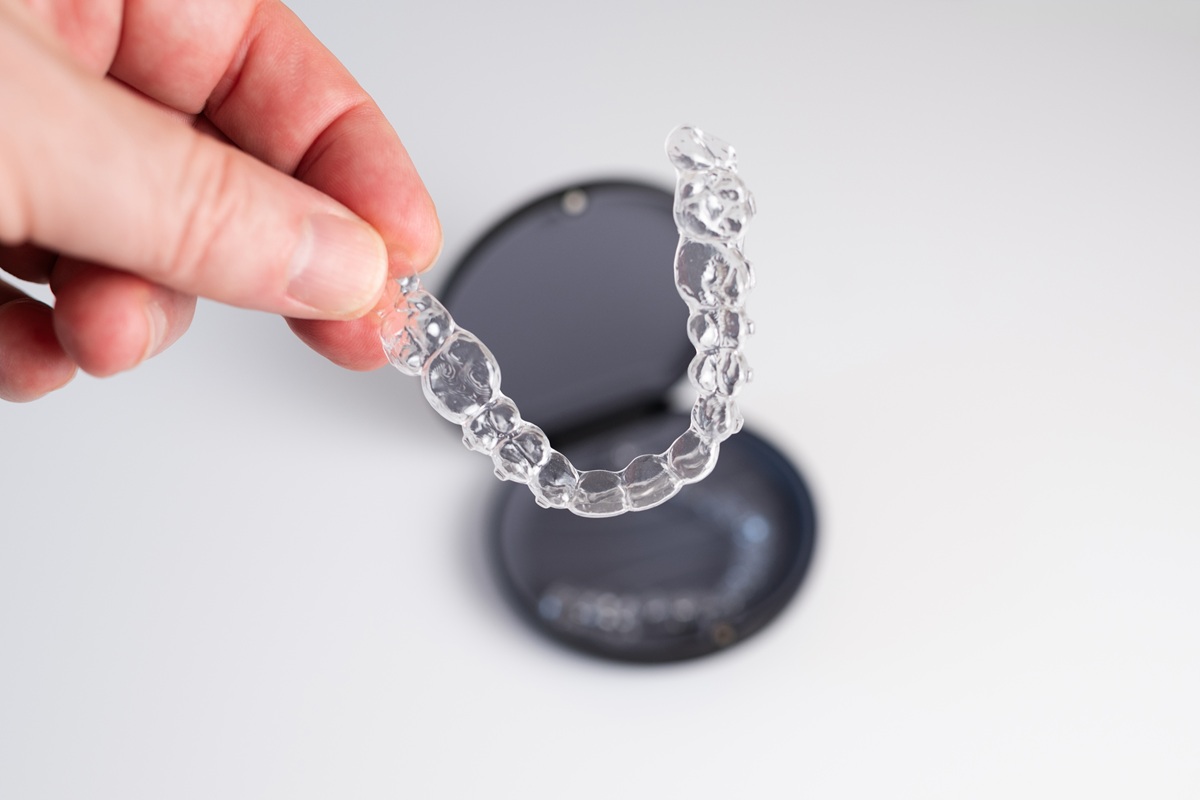
Rotated teeth are more than just a cosmetic concern. They can make oral hygiene more difficult, affect your bite, and even lead to uneven wear on your teeth over time. Fortunately, modern orthodontic treatment options like Invisalign offer a discreet and comfortable way to gradually reposition teeth into healthier alignment. Invisalign uses a series of clear aligners customized to fit your teeth and apply gentle pressure over time.
What Are Rotated Teeth?
Rotated teeth are teeth that have turned or twisted from their normal position. Instead of sitting straight in alignment with neighboring teeth, they may angle inward, outward, or sideways. This issue can happen for several reasons, including:
- Genetics
- Crowded teeth
- Early loss of baby teeth
- Jaw development problems
- Thumb sucking or oral habits
- Trauma to the mouth
Tooth rotation can affect one tooth or several teeth at the same time. Some patients only notice minor cosmetic changes, while others experience bite problems and difficulty cleaning between teeth properly.
Can Invisalign Really Fix Rotated Teeth?
Yes, Invisalign aligners can often successfully correct rotated teeth. Clear aligners are designed to move teeth gradually through controlled pressure. Modern Invisalign systems use advanced 3D imaging and digital planning to map out tooth movement step by step.
However, the success of Invisalign depends on several important factors:
Severity of Rotation
Mildly rotated teeth are generally easier and faster to correct with Invisalign. Moderate rotation can also respond very well to aligners when monitored by an experienced orthodontist.
Severely rotated teeth may require additional orthodontic tools or alternative treatment methods. In some complex cases, traditional braces may still be the better option. That’s why it’s important to schedule a consultation with an experienced orthodontist before starting treatment.
Which Teeth Are Rotated
Front teeth usually respond well to Invisalign because they are easier to align. Molars and certain rounded teeth, such as canines or premolars, may be more challenging because of their shape and root structure.
Patient Compliance
Invisalign only works when aligners are worn consistently. Most orthodontists recommend wearing aligners for 20 to 22 hours per day. Skipping wear time can delay tooth movement and extend treatment duration.
How Invisalign Moves Rotated Teeth
Many people are surprised to learn how advanced Invisalign technology has become. The treatment process begins with digital scans and a customized treatment plan created by your orthodontist.
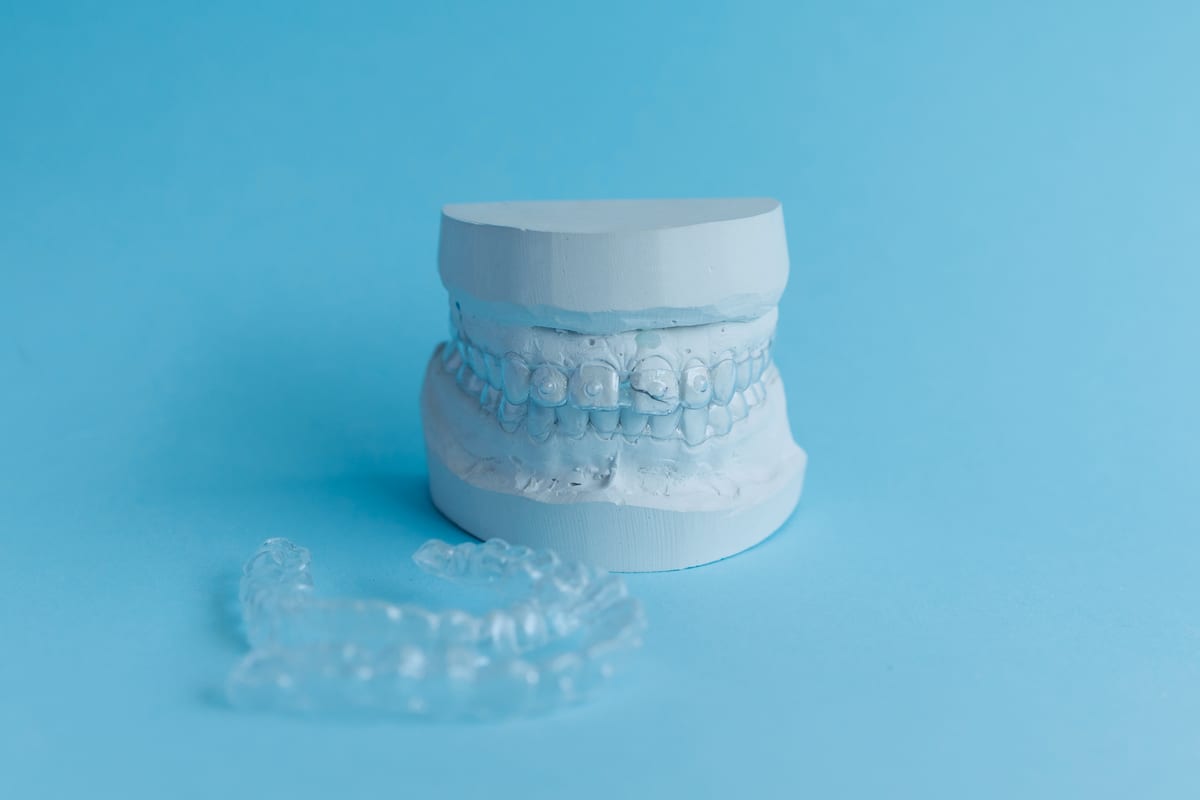
The aligners are then designed to move teeth in very small increments over time. For rotated teeth, Invisalign often uses special features called attachments. These small tooth-colored bumps are temporarily bonded to specific teeth to help the aligners grip and rotate them more effectively.
Each new aligner tray applies a carefully controlled force to continue shifting the teeth into alignment. Because the movement occurs gradually, most patients experience only mild discomfort.
Modern orthodontic technology also enables orthodontists to predict tooth movement with impressive precision through advanced digital imaging and treatment planning.
How Long Does Invisalign Take for Rotated Teeth?
One of the most common questions patients ask is how long Invisalign treatment will take. The answer depends on the complexity of the case.
Here’s a general timeline:
Mild Rotation
Mildly rotated teeth may improve within 6 to 9 months.
Moderate Rotation
Moderate cases often require 12 to 18 months of treatment.
Severe Rotation
More complicated rotations can take 18 to 24 months or longer, especially if bite correction is also needed.
Your actual timeline will depend on:
- How rotated the teeth are
- Your age
- Bone structure
- Consistency with aligner wear
- Overall oral health
- Whether additional orthodontic appliances are needed
Patients who follow instructions carefully often see noticeable improvements within just a few months.
Is Invisalign Faster Than Braces for Rotated Teeth?
In some cases, Invisalign can work just as efficiently as braces. However, braces may still provide more control for severely rotated teeth or highly complex bite issues.
That said, Invisalign offers several advantages that make it appealing to adults and teens:
- Nearly invisible appearance
- Removable aligners
- Easier brushing and flossing
- No food restrictions
- Fewer emergency visits for broken wires or brackets
Many patients also appreciate the flexibility and comfort Invisalign provides compared to traditional braces.
An experienced orthodontist can determine whether Invisalign or braces will be the best option for your specific smile goals.
What Happens If Rotated Teeth Are Left Untreated?
Some people assume rotated teeth are only a cosmetic issue, but untreated misalignment can contribute to several dental problems over time, including:
- Difficulty cleaning teeth properly
- Increased plaque buildup
- Higher risk of cavities and gum disease
- Uneven tooth wear
- Jaw discomfort
- Bite problems
- Lower confidence when smiling
Straightening rotated teeth can improve both appearance and long-term oral health.
Are Invisalign Results Permanent?
Invisalign results can last for many years when patients wear retainers as instructed after treatment. Teeth naturally shift over time, so retainers are essential for maintaining your new smile.
Most orthodontists recommend wearing retainers nightly after Invisalign treatment is complete. Patients who skip retainers may notice teeth gradually moving back toward their original positions.
Why Choosing the Right Orthodontist Matters
Not every Invisalign provider has the same level of experience. Successful treatment for rotated teeth requires careful planning, accurate tooth movement, and ongoing monitoring.
An experienced orthodontist understands complex tooth movement and can adjust treatment as needed throughout the process. In many cases, provider experience matters more than the aligner brand itself.
At Shelling Orthodontics, patients receive personalized care tailored to their individual smile goals. Whether you have mild tooth rotation or a more advanced alignment issue, the team works closely with you to create a treatment plan that fits your needs and lifestyle.
Invisalign Treatment
Many adults and teens in Boca Raton choose Invisalign because it offers a discreet way to improve their smile without the appearance of metal braces. Invisalign can often fit seamlessly into professional, academic, and social routines.
At Shelling Orthodontics, patients benefit from customized orthodontic treatment plans, advanced technology, and compassionate care designed to make the process as smooth and comfortable as possible. The practice offers Invisalign and braces for children, teens, and adults.
If you’ve been considering straightening rotated teeth, now may be the perfect time to visit our dental office and explore your options.
Schedule Your Invisalign Consultation Today
If you’re ready to improve your smile and correct rotated teeth, the team at Shelling Orthodontics is here to help. Whether you’re exploring Invisalign for cosmetic reasons or functional bite correction, an experienced orthodontist can guide you toward the right solution for your needs.
Don’t let rotated teeth affect your confidence or oral health any longer. Visit our dental office in Boca Raton to learn more about Invisalign and your personalized treatment options. Book an appointment today and take the first step toward a straighter, healthier smile.
Frequently Asked Questions
1. Can Invisalign fix severely rotated teeth?
Invisalign can treat many moderate to severe rotation cases, but some complex situations may require braces or additional orthodontic appliances. A consultation with an orthodontist is the best way to determine your treatment options.
2. Does Invisalign hurt when fixing rotated teeth?
Most patients experience mild pressure or soreness when switching to a new aligner tray. This discomfort is temporary and usually fades within a few days.
3. How many hours per day should I wear Invisalign?
You should wear Invisalign aligners for 20 to 22 hours daily for the best results. Consistent wear is critical for successful tooth movement.
4. Are rotated teeth harder to straighten?
Rotated teeth can sometimes be more challenging to move than teeth that are simply crowded or spaced. However, Invisalign technology has advanced significantly and can successfully correct many rotation cases.
5. Can adults use Invisalign for rotated teeth?
Absolutely. Invisalign is a popular orthodontic treatment option for adults who want a more discreet alternative to braces.
6. Will I need retainers after Invisalign?
Yes. Retainers help maintain your results and prevent teeth from shifting back after treatment.