Boca Raton, FL

Diet Tips for Patients with Braces or Aligners

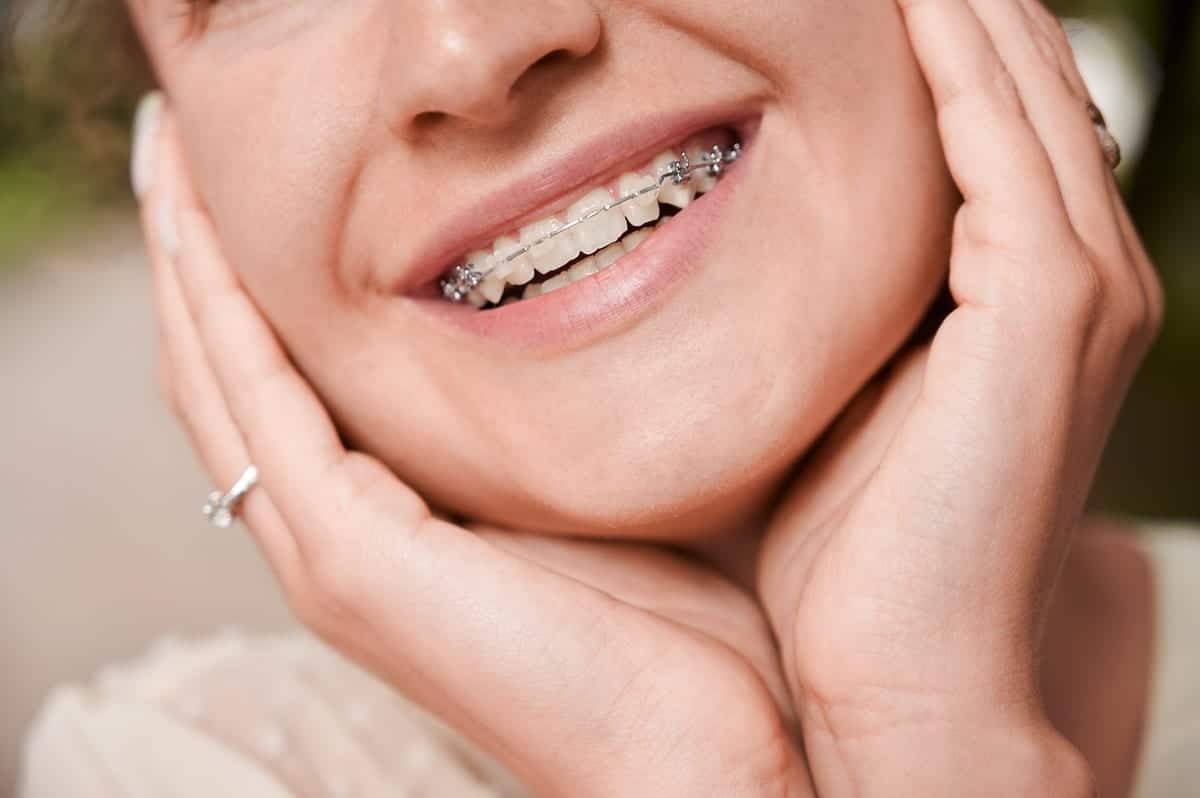
Having braces or aligners is a significant step toward achieving a beautiful smile. However, it requires extra attention to oral care and dietary habits. The right foods can help protect your orthodontic appliances and prevent complications, while the wrong ones can cause damage or discomfort. In this blog post, we’ll provide valuable tips on what to eat and what to avoid when wearing braces or aligners.
Foods to Avoid
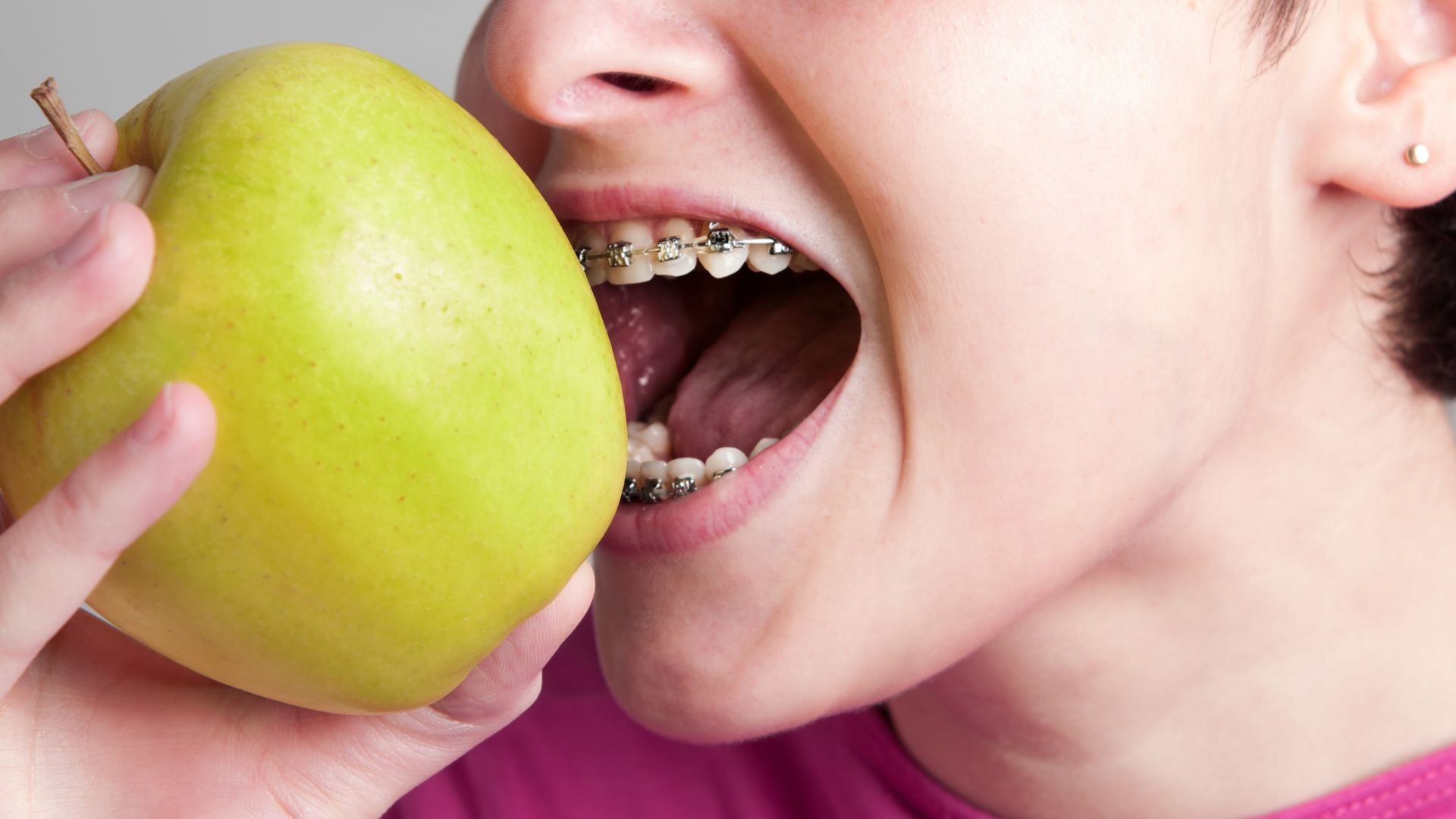
- Hard Foods: Hard foods can put excessive pressure on your braces or aligners, leading to breakage or loosening. Avoid nuts, hard candies, popcorn, ice, and hard bread crusts.
- Sticky Foods: Sticky foods can easily become trapped between your teeth and braces, increasing the risk of cavities and gum disease. Stay away from caramel, taffy, gummies, and sticky candies.
- Chewy Foods: Chewy foods can also pull on your braces or aligners and cause damage. Limit your intake of gum, jerky, and tough meats.
- Sugary Foods and Drinks: Excessive sugar consumption can contribute to tooth decay and gum disease. Minimize your intake of sugary snacks, sodas, sports drinks, and fruit juices.
Foods to Include
- Soft Foods: Opt for soft foods that are easy to chew and won’t put stress on your braces or aligners. Examples include mashed potatoes, yogurt, scrambled eggs, and cooked vegetables.
- Fruits and Vegetables: Incorporate plenty of fruits and vegetables into your diet. Choose softer varieties like bananas, berries, and cooked carrots.
- Whole Grains: Whole grains provide essential nutrients and fiber. Enjoy whole-grain bread, pasta, and brown rice.
- Protein Sources: Include lean protein sources like chicken, fish, beans, and tofu to support overall health.
- Dairy Products: Dairy products can help strengthen your teeth and bones. Choose low-fat or non-fat options like milk, yogurt, and cheese.
Additional Tips
- Cut Food into Smaller Pieces: Cutting your food into smaller pieces can make it easier to chew and reduce the risk of damaging your braces or aligners.
- Avoid Using Your Teeth as Tools: Never use your teeth to open packages or tear off pieces of food. This can put unnecessary strain on your orthodontic appliances.
- Brush and Floss Regularly: Maintain good oral hygiene by brushing your teeth at least twice a day and flossing once a day. Use a soft-bristled toothbrush and floss threaders to navigate around your braces or aligners.
- See Your Orthodontist Regularly: Schedule regular check-ups with your orthodontist to monitor your progress and address any issues.
By following these dietary guidelines, you can help protect your braces or aligners, maintain optimal oral health, and achieve a beautiful smile. Remember to avoid hard, sticky, and chewy foods, and incorporate plenty of nutritious options into your diet. With proper care and attention, you can enjoy a successful orthodontic treatment experience.