Boca Raton, FL

How Genetics Influence Dental Crowding


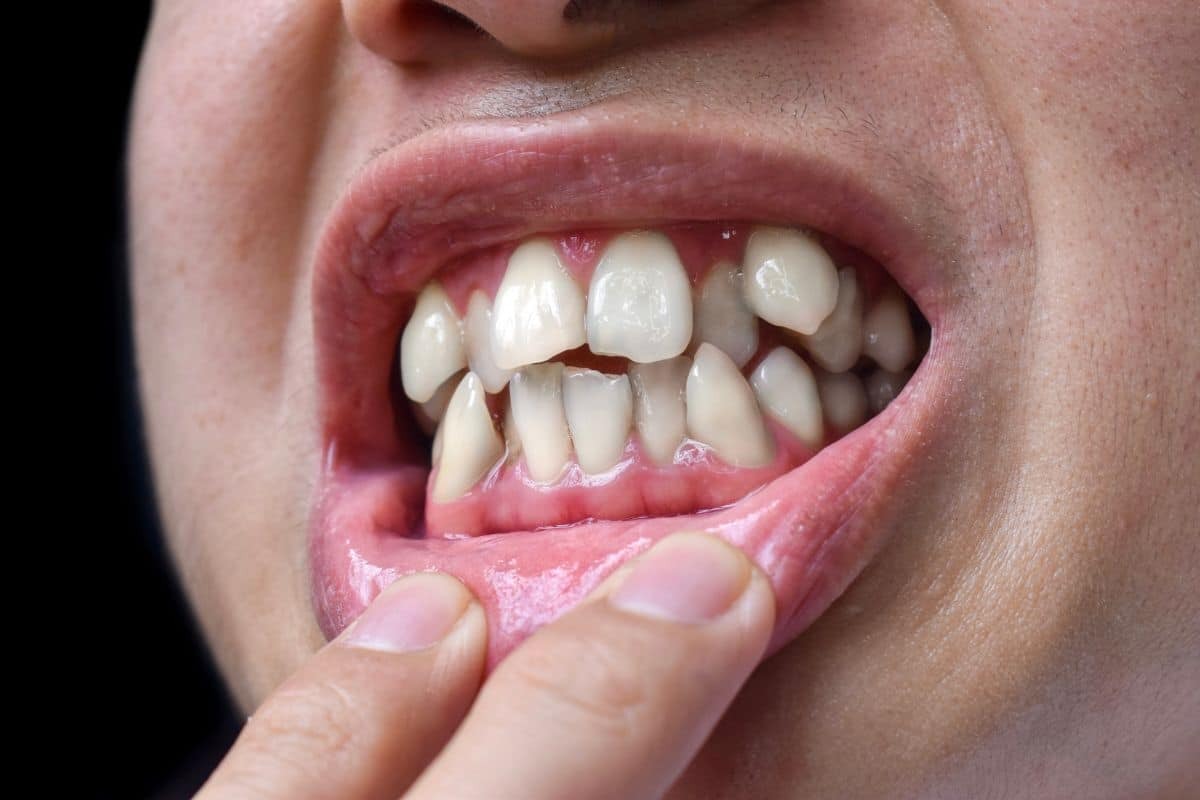
Ever wondered why some people have perfectly straight teeth while others face a lifelong battle with dental crowding? While we often focus on habits like thumb-sucking or pacifier use, the truth is, a significant part of the story is written in our DNA. Dental crowding, a condition where there isn’t enough space in the jaws for teeth to align properly, is heavily influenced by the genetic hand-me-downs we receive from our parents. Understanding this link is the first step toward effective prevention and treatment.
The Genetic Recipe for Your Jaws and Teeth
Genetics plays a pivotal role in determining the size and shape of our jaws, the size of our teeth, and the intricate relationship between the two. Think of it as a complex recipe passed down through generations.
- Jaw Size and Shape: One of the most significant genetic factors is the size of your maxilla (upper jaw) and mandible (lower jaw). If you inherit a small jaw from one parent and large teeth from the other, the mismatch can lead to a cramped dental arch. The shape of the jaw—whether it’s narrow or wide—is also genetically determined, directly impacting the space available for teeth.
- Tooth Size: The size of individual teeth is highly heritable. Researchers have identified several genes that influence tooth dimensions. If your parents have large teeth, chances are you will too. This becomes a problem when those large teeth try to fit into a small, genetically inherited jaw.
- The Mismatch Theory: This is where the core of genetic influence on dental crowding lies. It’s not just about inheriting a small jaw or large teeth; it’s about the combination. A child might inherit a small jaw from their mother and large teeth from their father, a genetic lottery that virtually guarantees some degree of crowding. This mismatch explains why some siblings have perfectly aligned teeth while others in the same family do not.
More Than Just Teeth: Other Genetic Factors at Play
The genetic influence extends beyond the simple size and shape of teeth and jaws.
- Number of Teeth: While less common, genetic conditions can sometimes lead to extra teeth (hyperdontia) or missing teeth (hypodontia). Hyperdontia is a direct cause of crowding, as the excess teeth compete for space.
- Tooth Eruption Patterns: The timing and sequence of tooth eruption can also be genetically influenced. Delayed eruption or teeth erupting out of sequence can contribute to crowding and misalignment.
- Soft Tissue Characteristics: The tongue and lip muscles, whose size and resting position are partly genetic, also exert forces on the teeth. A large tongue can push teeth outward, while tight lip muscles can pull them inward, affecting alignment.
Nature vs. Nurture: The Role of Environmental Factors
While genetics loads the gun, environmental factors pull the trigger. It’s a crucial distinction. Even with a genetic predisposition for dental crowding, certain habits can worsen the condition.
- Habits: Thumb-sucking, prolonged pacifier use, and mouth breathing can alter the development of the jaws and push teeth out of alignment.
- Diet: A modern diet of soft, processed foods requires less chewing, which may not provide the necessary stimulation for proper jaw development.
- Premature Tooth Loss: Losing baby teeth too early can cause the remaining teeth to shift, blocking the path for adult teeth and leading to crowding.
Solving the Puzzle: Prevention and Treatment
Understanding the genetic component of dental crowding is not a cause for despair but a call to action. It allows for proactive intervention.
- Early Orthodontic Evaluation: The American Association of Orthodontists recommends that children have their first orthodontic check-up by age seven. An orthodontist in Boca Raton can identify early signs of a genetic mismatch and recommend interceptive treatments.
- Interceptive Orthodontics: Treatments like palatal expanders can be used to widen a narrow upper jaw while the bones are still growing, creating more space for adult teeth to erupt properly. This can significantly reduce the need for more complex treatments later.
- Braces and Aligners: For existing crowding, traditional braces or clear aligners are the gold standard. They apply gentle, consistent pressure to move teeth into their correct positions, aligning the smile and improving bite function.
- Tooth Removal: In severe cases of crowding, an orthodontist may recommend the extraction of one or more teeth to create the necessary space. While it may seem counterintuitive, this can be the most effective way to achieve a stable, healthy, and aesthetic result.
In conclusion, the straightness of your teeth is a complex interplay between your genetic blueprint and your environment. While you can’t change your genes, you can use that knowledge to seek early intervention and partner with an orthodontist to guide your smile toward its full potential. The journey to a confident smile is a collaboration between nature’s design and human ingenuity. If you’re concerned about your family’s dental history, we invite you to visit our dental office. To start your journey toward a perfect smile, you can book an appointment with us today.