Boca Raton, FL

How Often Do Braces Get Adjusted?

Getting braces is an exciting step towards a straighter, healthier smile. But once they’re on, many patients ask: “How often do these things actually get adjusted?” The answer isn’t a one-size-fits-all, but understanding the general rhythm of adjustments can help you prepare for your orthodontic journey.
Why Do Braces Need Adjusting?
Think of your braces as a finely tuned instrument. They work by applying continuous, gentle pressure to your teeth, gradually moving them into their desired positions. This pressure needs to be periodically recalibrated as your teeth shift. An adjustment involves your orthodontist making small but significant changes to the wires, elastics, or other components of your braces to ensure the teeth continue to move in the correct direction and at the optimal pace.
The Typical Adjustment Schedule
For most traditional metal or ceramic braces, adjustments typically occur every 4 to 8 weeks. This timeframe allows enough time for the teeth to respond to the applied pressure while also ensuring they don’t move too quickly, which could be uncomfortable or even damaging.
- Initial Stages: At the beginning of your treatment, adjustments might be slightly more frequent as your orthodontist initiates the major tooth movements. This is often where the most significant changes occur.
- Mid-Treatment: As your teeth settle into more predictable patterns, the adjustment intervals might become more consistent, falling squarely within the 4-8-week range.
- Finessing and Finishing: Towards the end of your treatment, adjustments might become more focused on fine-tuning the alignment and perfecting the bite. The intervals might remain similar, but the nature of the adjustments will shift.
Factors Influencing Adjustment Frequency
While 4-8 weeks is a general guideline, several factors can influence how often your braces need attention:
1. The Type of Braces
- Traditional Braces (Metal/Ceramic): As mentioned, these typically follow the 4-8 week schedule.
- Self-Ligating Braces: These braces have a built-in mechanism that holds the wire, sometimes allowing for slightly longer intervals between appointments as friction is reduced. However, this isn’t always a dramatic difference.
- Clear Aligners (e.g., Invisalign): With clear aligners, you typically switch to a new set of aligners every 1 to 2 weeks at home, as instructed by your orthodontist. You’ll still have check-up appointments, but these are usually less frequent than traditional brace adjustments, perhaps every 6-10 weeks, to monitor progress.
2. The Complexity of Your Case
A more complex orthodontic case involving significant tooth movement or bite correction may require more frequent adjustments in the initial phases to guide the teeth effectively. Simpler cases might allow for slightly longer stretches between visits.
3. Patient Compliance
Following your orthodontist’s instructions, such as wearing elastics as prescribed and maintaining good oral hygiene, can contribute to smoother progress. If there are compliance issues, your orthodontist might want to see you more often to get things back on track.
4. Individual Biological Response
Everyone’s body responds differently to orthodontic forces. Some people’s teeth move more quickly than others. Your orthodontist will observe your individual progress and adjust the schedule accordingly.
What Happens During an Adjustment?
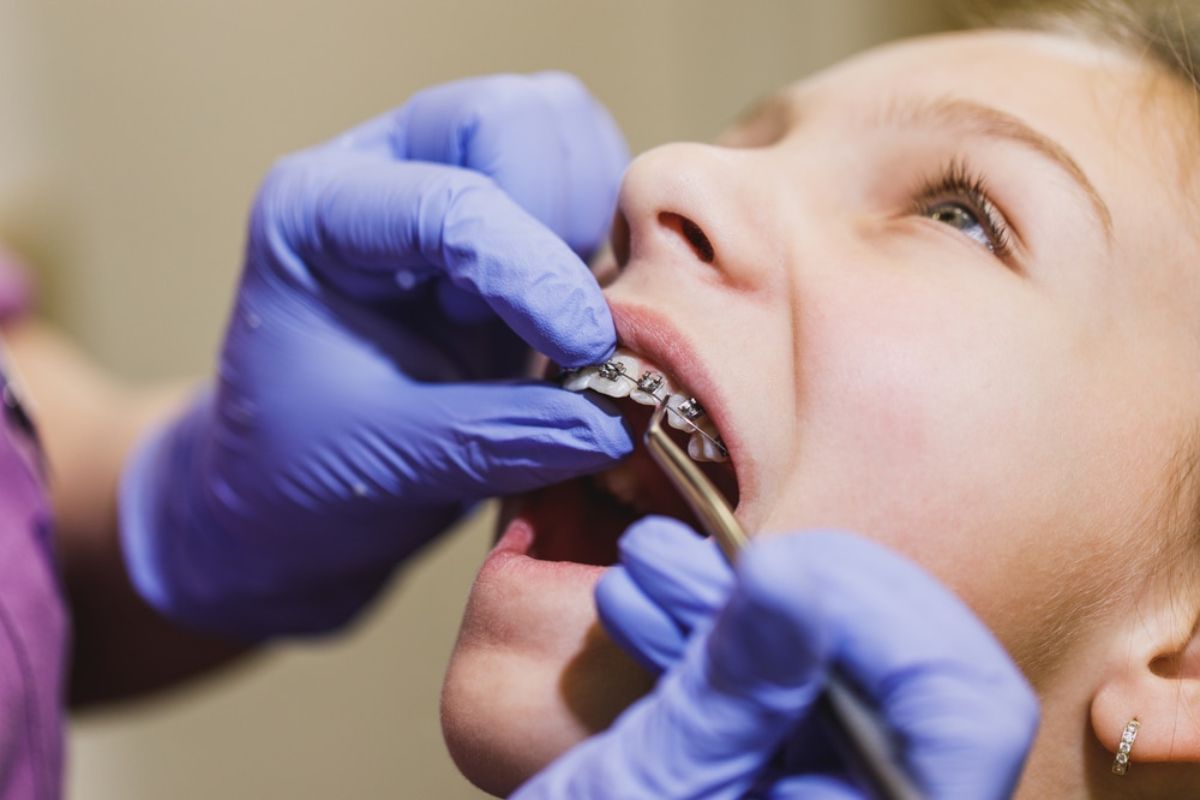
An adjustment appointment is usually quick and straightforward. Your orthodontist will:
- Check Your Progress: They’ll assess how your teeth have moved since your last visit.
- Change Wires: Often, the archwire (the main wire running through your braces) will be replaced with a new one that is stiffer or has a different shape, or it might be adjusted to exert new forces.
- Replace Elastics/Ligatures: The small rubber bands (ligatures) that hold the wire to the brackets will be changed, and if you’re wearing orthodontic elastics, you’ll likely receive new ones with specific instructions.
- Add or Adjust Other Components: This could include springs, power chains, or other auxiliary appliances designed to facilitate specific movements.
Is It Painful?
You might experience some mild discomfort or soreness for a few days after an adjustment as your teeth begin to move. This is normal and usually manageable with over-the-counter pain relievers and a soft diet. The discomfort typically subsides quickly.
The Importance of Regular Adjustments
Skipping adjustment appointments can prolong your treatment time and potentially compromise the final results. Each adjustment plays a crucial role in keeping your treatment on schedule and ensuring your teeth move safely and effectively toward their ideal positions. If you’re considering orthodontic treatment or need to schedule an adjustment, don’t hesitate to visit our dental office. Your orthodontist is meticulously planning each step of your smile transformation, and regular adjustments are the key to unlocking that beautiful, healthy smile. Finding an expert orthodontist in Boca Raton for residents in the area can make all the difference in your treatment journey. Book an appointment with a qualified professional today to learn more or discuss your specific needs.