Boca Raton, FL

Is Orthodontic Relapse Common in Adults?

Many adults invest time and money into creating a straighter, healthier smile, so it can be frustrating to notice teeth shifting after braces or aligners. If you’ve asked yourself whether orthodontic relapse is common in adults, the honest answer is yes, it can happen. However, the good news is that relapse is often preventable and treatable with the right guidance from an experienced orthodontist.
Adults trust personalized care to help maintain beautiful results long after orthodontic treatment is complete. Understanding why relapse happens is the first step toward protecting your smile.
What Is Orthodontic Relapse?
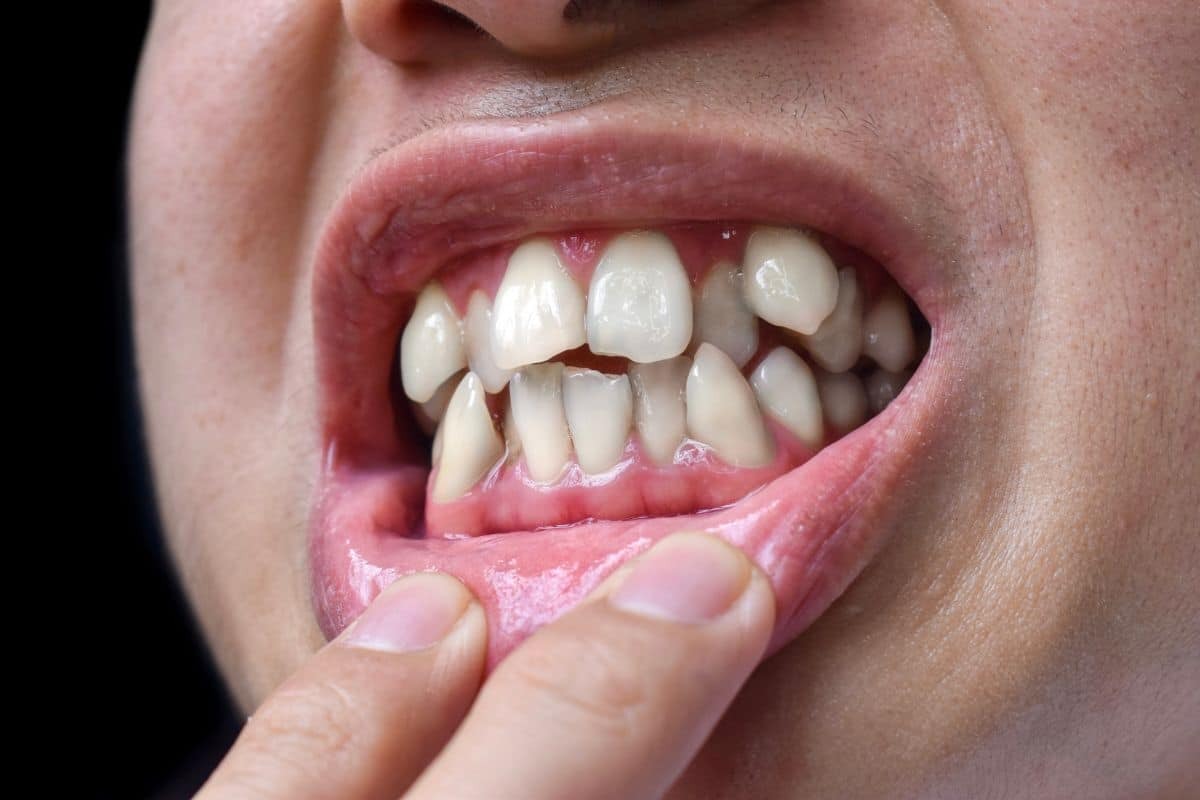
Orthodontic relapse refers to teeth moving back toward their original positions after braces or aligners have straightened them. Teeth are supported by bone, ligaments, and surrounding tissues, and these structures need time to stabilize after movement. Without proper retention, shifting can occur. Research reviews note that some degree of post-treatment movement is common, which is why retainers are considered an essential part of care.
Relapse may happen gradually over months or even years. Some adults notice minor crowding, while others see spacing changes or bite issues returning.
Is Relapse More Common in Adults?
Adults can absolutely experience relapse, but not because treatment “doesn’t work” for them. Adult teeth respond well to orthodontic treatment. The difference is that adult patients often face factors that can increase the chance of shifting, including:
- Natural age-related tooth movement
- Past orthodontic work was completed years ago without long-term retainer wear
- Grinding or clenching habits
- Gum disease or bone loss
- Missing teeth that allow neighboring teeth to drift
- Inconsistent retainer use
Even people who never had braces can experience natural crowding with age, especially in the lower front teeth.
Why Do Teeth Shift After Treatment?
1. Retainers Aren’t Worn as Directed
This is one of the most common causes. After active treatment, retainers help hold teeth in their corrected positions while tissues adapt. If retainers are lost, broken, or forgotten, movement can begin surprisingly quickly.
2. Natural Aging Changes
As we age, our mouths continue to change. Subtle pressure from chewing, lips, tongue, and daily function can gradually affect tooth alignment over time.
3. Teeth Grinding or Clenching
Grinding places pressure on teeth and may contribute to shifting, wear, or bite changes. Many adults grind at night without realizing it.
4. Gum Disease
Healthy gums and bone help support stable teeth. If periodontal disease weakens that support, teeth may loosen or drift.
5. Wisdom Teeth or Missing Teeth
Although wisdom teeth are not always the main cause of crowding, limited space and changing bite relationships can contribute to movement. Missing teeth can also create gaps that nearby teeth move into.
Signs You May Be Experiencing Orthodontic Relapse
Adults often catch relapse early if they know what to look for. Common signs include:
- Crowding in front teeth
- Small gaps reopening
- Bite feeling “off”
- Difficulty flossing between certain teeth
- The retainer no longer fits properly
- Teeth appearing slightly rotated or uneven in photos
If you notice any of these changes, seeing an orthodontist sooner rather than later can make correction easier.
Can Orthodontic Relapse Be Fixed?
Yes. In many cases, relapse can be corrected with modern options that are often faster and more comfortable than people expect. Treatment depends on how much shifting has occurred.
At Shelling Orthodontics Boca Raton, patients may benefit from customized solutions such as braces, clear braces, or Invisalign clear aligners, depending on their needs. The practice offers treatment for children and adults and personalized plans for smile alignment.
Minor Relapse
Small shifts may only require short-term aligner treatment or retainer adjustments.
Moderate Relapse
More noticeable crowding or spacing may need several months of active care.
Significant Relapse
If bite problems have returned, comprehensive orthodontic treatment may be recommended.
How Adults Can Prevent Relapse
The best treatment is prevention. Here’s how to protect your investment:
Wear Your Retainer
Follow your provider’s instructions exactly. Many adults need nighttime retainer wear long-term.
Replace Retainers Promptly
If yours cracks, feels loose, or is lost, don’t wait. Teeth can move quickly.
Keep Up with Dental Visits
Regular cleanings and exams help identify gum disease, cavities, or bite changes early.
Address Grinding
A nightguard or other recommendations may help protect your teeth.
Maintain Excellent Oral Hygiene
Healthy gums and bone support stable tooth positions.
Why Adults Choose Treatment Again
Many adults feel embarrassed when a relapse happens, but it’s more common than you might think. Returning for care is a smart decision, not a failure. Adults often seek retreatment because they want to:
- Feel more confident smiling
- Improve bite comfort
- Make cleaning easier
- Prevent worsening crowding
- Refresh a smile before weddings, career events, or milestones
Today’s orthodontic treatment is more discreet and convenient than ever, making retreatment easier for busy professionals and parents.
Orthodontic Care in Boca Raton
If you live in South Florida, working with a trusted local orthodontist matters. Shelling Orthodontics Boca Raton has served patients with personalized smile care since 2008 and offers braces, clear braces, and Invisalign solutions.
Whether you had braces years ago or recently noticed your retainer no longer fits, a professional evaluation can help you understand your options.
Ready to Protect or Restore Your Smile?
If you’ve noticed shifting teeth, don’t ignore it. Early action can save time and simplify treatment. Visit our dental office to learn how modern orthodontic treatment can help restore alignment and confidence. If you’re in Boca Raton, now is the perfect time to book an appointment and keep your smile looking its best.
Frequently Asked Questions
1. Is orthodontic relapse normal in adults?
Some minor movement over time is common, especially without retainer use. Significant relapse should be evaluated by an orthodontist.
2. How fast can teeth shift without a retainer?
Some people notice movement within weeks or months. Timing depends on your bite, age, and how recently treatment ended.
3. Can Invisalign fix relapse?
Yes, clear aligners are often a popular option for correcting mild to moderate relapse in adults.
4. Do I need braces again if my teeth have moved?
Not always. Some adults only need aligners or updated retainers, depending on the severity of shifting.
5. Can a retainer move teeth back?
Sometimes, if movement is minimal and caught early. Your orthodontist can determine whether that is appropriate.
6. Is relapse preventable forever?
No treatment can stop natural aging changes completely, but consistent retainer wear greatly reduces risk.