Boca Raton, FL

Overcrowded Teeth: Causes, Risks and How to Fix Them

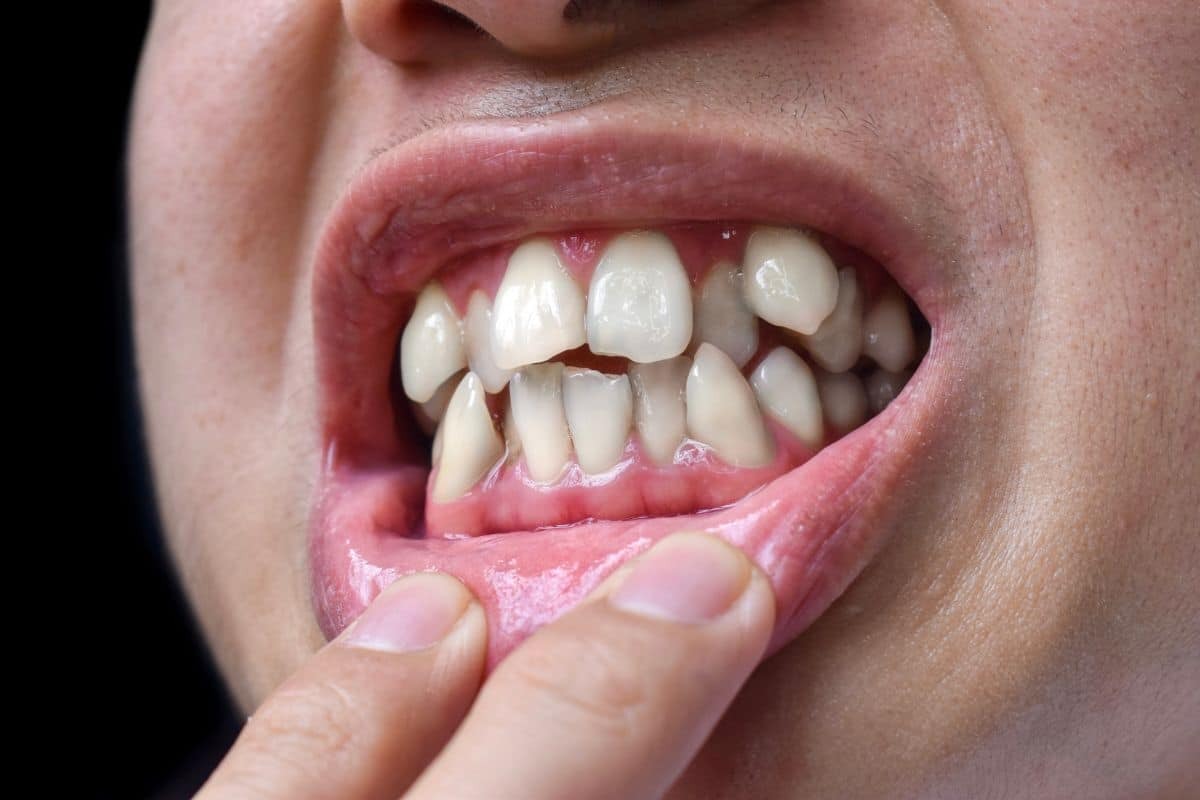
When you look in the mirror, do you notice your teeth overlapping, twisting, or crowding together? You are certainly not alone. Crowded teeth are one of the most common orthodontic complaints we see here in sunny South Florida. While a crooked or overlapping smile might seem like just a cosmetic quirk, it can actually impact your long-term oral health, daily comfort, and confidence.
If you or your teenager are dealing with overlapping teeth, understanding why it happens and how modern orthodontic solutions can help is the first step toward a healthier, more radiant smile. Let’s dive into what causes overcrowding, why it shouldn’t be ignored, and how an expert orthodontist can help you achieve the aligned smile you deserve.
What Are Overcrowded Teeth?
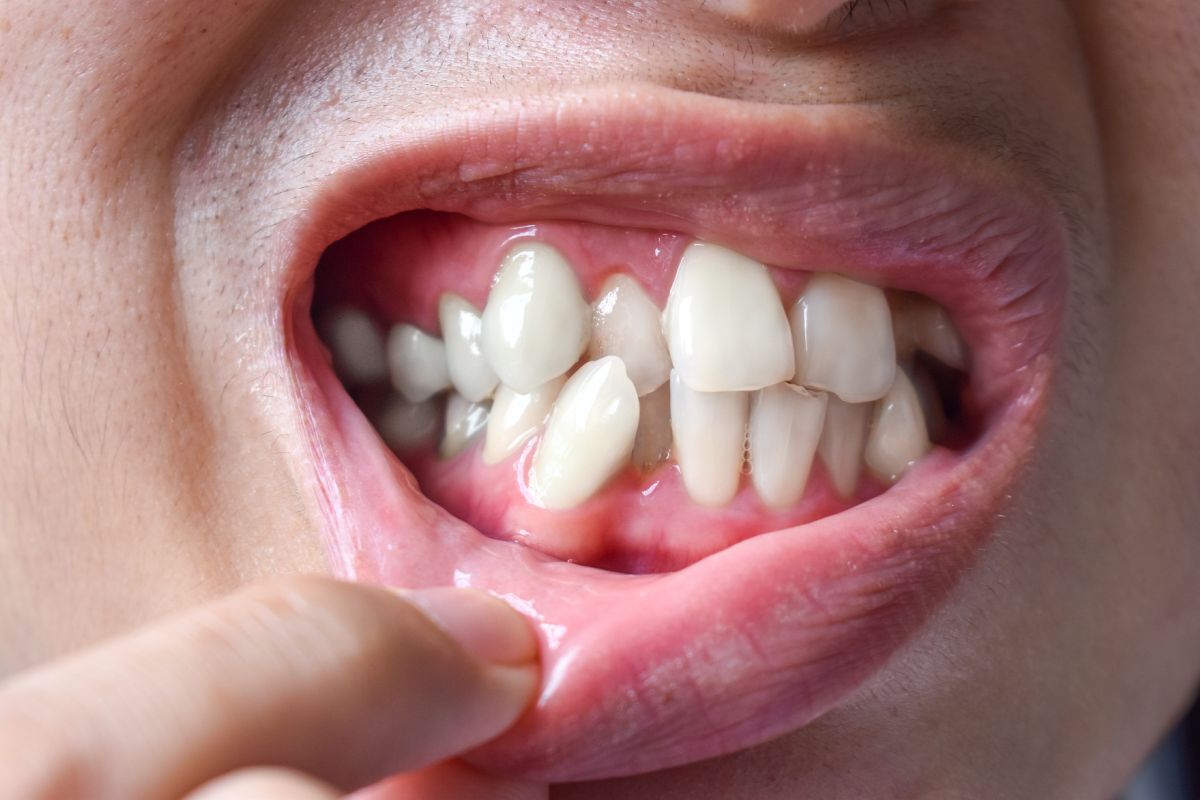
Dental crowding occurs when there is simply not enough space in your jawbone to accommodate all of your permanent teeth comfortably. Because the jaw is too small or the teeth are too large, they have nowhere to go. As a result, they begin to compete for real estate, leading to teeth that are rotated, pushed forward, pushed backward, or tightly overlapping.
Overcrowding can affect anyone at any age. It often starts showing up during mixed dentition—the stage in childhood when permanent teeth begin replacing baby teeth. However, adult crowding is also very common, sometimes occurring later in life due to natural shifting or changes in jaw structure.
What Causes Teeth to Crowd Together?
Understanding the root cause of overcrowding can help tailor the right solution. Several primary factors contribute to crowded teeth:
1. Genetics and Jaw Size
Genetics play the single biggest role in determining the size of your jaw and the size of your teeth. If you inherited a compact jaw from one parent and larger teeth from the other, you are much more likely to experience crowding.
2. Early Loss of Baby Teeth
Baby teeth act as natural placeholders for permanent teeth. If a child loses a primary tooth prematurely due to decay or injury, neighboring teeth may drift into the empty space. When the permanent tooth is finally ready to erupt, it finds its path blocked or restricted, forcing it to come in crooked or crowded.
3. Wisdom Teeth Eruption
As late teens or early adults reach their late teens and early twenties, wisdom teeth (third molars) try to make their way into the mouth. If there is no room left in the arch, these incoming molars can exert immense pressure on the rest of the dental structure, pushing front teeth together and causing late-onset crowding.
4. Childhood Habits
Prolonged thumb-sucking, pacifier use past the toddler years, or tongue thrusting can alter the shape and development of the upper and lower jaws, paving the way for misalignment and crowding.
The Hidden Risks of Leaving Overcrowded Teeth Untreated
Many people brush off minor crowding because their teeth still “function fine” or because they feel used to how their smile looks. However, crowded teeth are much more than a cosmetic concern. Leaving them unaddressed can lead to a domino effect of oral health issues:
- Difficulty with Oral Hygiene: When teeth overlap tightly, it becomes nearly impossible for toothbrush bristles and dental floss to reach all the surfaces. This trapped plaque and food debris create a breeding ground for bacteria, significantly increasing your risk of tooth decay and cavities.
- Gum Disease (Gingivitis and Periodontitis): Because plaque and tartar buildup are harder to remove in crowded areas, the surrounding gums often become inflamed, tender, and prone to bleeding. Over time, untreated gingivitis can progress into periodontal disease, which threatens the bone structure supporting your teeth.
- Abnormal Wear and Tear: Misaligned teeth do not fit together harmoniously when you bite down. This uneven distribution of force can lead to excessive enamel wear, chipped edges, or fractured teeth.
- Jaw Pain and TMJ Disorders: Crowding can throw your bite (occlusion) out of balance. This places extra strain on your jaw joints and chewing muscles, potentially leading to chronic jaw soreness, headaches, clicking sounds, and temporomandibular joint (TMJ) discomfort.
How to Fix Overcrowded Teeth: Modern Orthodontic Solutions
The good news is that crowded teeth are completely treatable, no matter your age. Thanks to modern dental technology, achieving a straighter smile is more comfortable, discreet, and efficient than ever before. When you visit our dental office, an experienced specialist will evaluate your bite and design a personalized treatment roadmap.
Here are the most effective ways an orthodontic treatment plan can correct crowded teeth:
Traditional Metal Braces
The time-tested gold standard of orthodontics, traditional metal braces use high-grade stainless steel brackets and archwires to gently guide teeth into their ideal positions. Today’s braces are smaller, sleeker, and much more comfortable than the ones you might remember from decades past. They offer exceptional control and are ideal for severe crowding cases.
Clear Braces
If you want the reliability of traditional braces with a more subtle look, clear (ceramic) braces are a fantastic alternative. They function just like metal braces, but the brackets are made from tooth-colored or clear ceramic material that blends in seamlessly with your natural smile.
Clear Aligners (Invisalign)
For teens and adults looking for a virtually invisible and removable option, clear aligners are a wildly popular choice. A custom-made series of smooth, medical-grade plastic trays gradually shifts your teeth into alignment without any metal wires or tightening appointments. They can be removed easily for eating, brushing, and flossing.
What to Expect During Your Orthodontic Journey
Embarking on a smile transformation is an exciting milestone. When you seek professional care, the process typically follows a clear, supportive path:
- Comprehensive Evaluation: Your journey begins with a thorough examination, including digital scans, digital photography, and low-radiation X-rays to assess your jaw structure and root alignment.
- Customized Treatment Plan: Your orthodontist maps out a precise step-by-step plan detailing how each tooth will move and how long the entire process will take.
- Active Treatment Phase: Whether you choose braces or aligners, you will attend periodic check-ins to monitor your progress and make minor adjustments.
- Retention: Once your teeth are perfectly aligned, a custom retainer is provided to keep your teeth locked securely in their new positions, ensuring your stunning results last a lifetime.
Take the First Step Toward Your Dream Smile Today
Living with crowded teeth doesn’t have to be a permanent reality. Whether you are looking to boost your self-confidence, protect your gums from plaque buildup, or improve your overall bite function, expert care is closer than you think.
If you are ready to explore your options and want to book an appointment, look no further than Shelling Orthodontics Boca Raton. Conveniently located at 19615 FL-7 Ste 33, Boca Raton, FL 33498, our practice provides warm, personalized, top-tier orthodontic care for children, teens, and adults.
Don’t let crowded teeth hold you back any longer. Visit our dental office or give our friendly team a call at (561) 477-4844 to schedule your free initial consultation today. Let us help you unlock a healthier, more confident smile that you’ll love showing off to the world!
Frequently Asked Questions
1. Can crowded teeth straighten themselves out over time?
No. Unfortunately, dental crowding almost always worsens with age rather than improving on its own. As we age, our teeth naturally drift slightly forward toward the center of the mouth, which can make existing crowding tighter.
2. Is orthodontic treatment for overcrowded teeth only for teenagers?
Not at all! While the teenage years are a common time for treatment because permanent teeth have fully emerged and jaws are still pliable, adult orthodontics is booming. A large percentage of orthodontic patients today are adults utilizing discreet options like clear aligners or ceramic braces.
3. Does correcting crowded teeth hurt?
You may experience mild soreness or tenderness for a few days after getting braces put on or switching to a new set of aligners. This is completely normal and is simply a sign that the teeth are responding to gentle pressure. Modern orthodontic techniques are designed to minimize discomfort as much as possible.
4. How long does orthodontic treatment take?
The duration of treatment varies depending on the severity of the crowding and the chosen method. On average, most treatments take anywhere from 12 to 24 months. Minor crowding cases can sometimes be resolved even faster.