Boca Raton, FL

9 Ways to Correct an Overbite


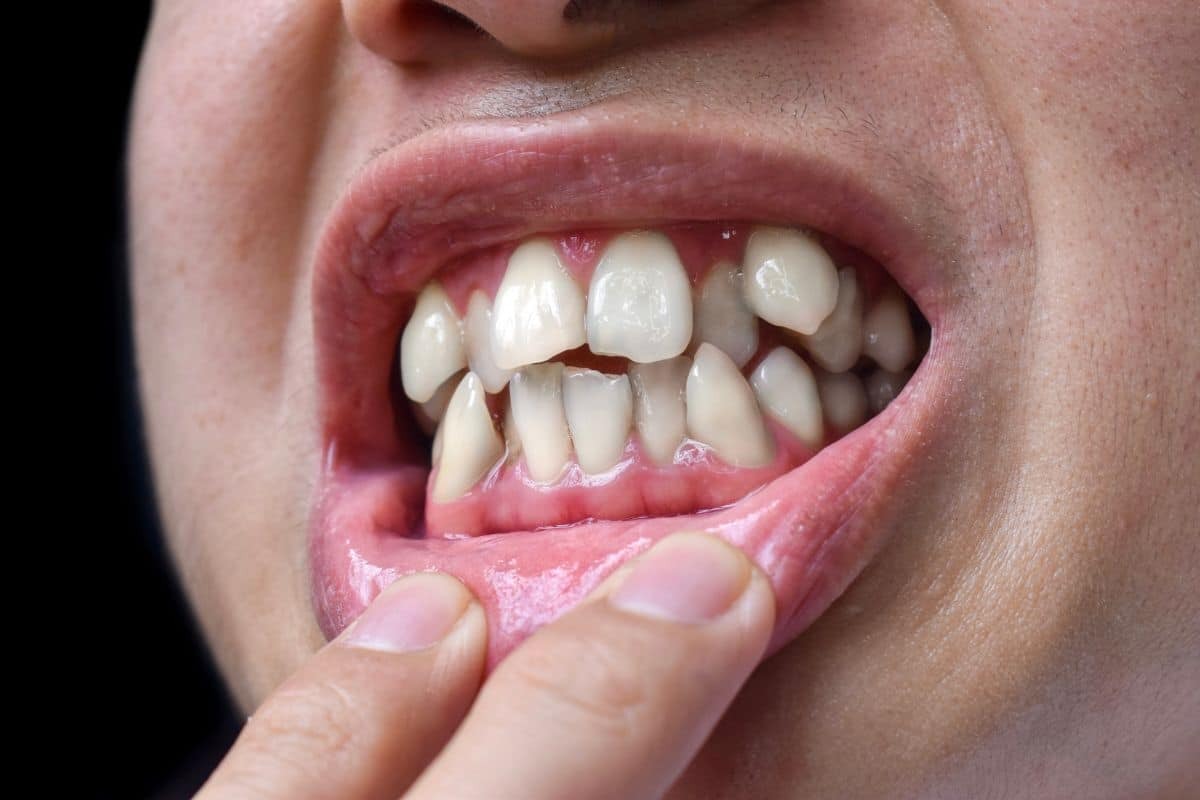
An overbite, also known as a deep bite or Class II malocclusion, is a common dental issue where the upper front teeth overlap the lower front teeth excessively. While a slight overlap is normal, a severe overbite can lead to various problems, including jaw pain, difficulty chewing, speech impediments, and increased wear on tooth enamel. If you’re looking to correct an overbite, here are nine effective methods to consider, ranging from non-invasive options to surgical interventions.
Understanding Your Overbite: Why Correction Matters
Before diving into the solutions, it’s crucial to understand why correcting an overbite is more than just a cosmetic concern. Beyond the aesthetic impact, an untreated overbite can contribute to temporomandibular joint (TMJ) disorders, cause abnormal wear patterns on your teeth, and even make it harder to maintain good oral hygiene. Early intervention, especially in children, can often prevent more complex problems later in life. A visit to an orthodontist is the first step to determining the severity and the most appropriate treatment plan for your specific case.
Non-Invasive and Minimally Invasive Options
These methods are often the first line of defense for mild to moderate overbites or for patients who are still growing.
1. Braces: The Tried and True Method
Traditional metal braces remain one of the most effective methods for correcting an overbite. They consist of brackets bonded to your teeth and connected by a wire, which is adjusted periodically to exert gentle pressure. This pressure gradually shifts your teeth and jaw into the correct alignment. Modern braces are smaller and more comfortable than in the past, and advancements like self-ligating braces can even reduce treatment time.
2. Clear Aligners: A Discreet Alternative
For those seeking a less noticeable option, clear aligners like Invisalign offer a popular alternative to braces. These custom-made, removable trays are worn over your teeth and are changed every few weeks as your teeth continue to move. Clear aligners are particularly effective for mild to moderate overbites and appeal to adults and teenagers who prefer a more aesthetic treatment option.
3. Palatal Expanders: Widening the Upper Jaw
In cases where the overbite is compounded by a narrow upper jaw, a palatal expander might be recommended. This orthodontic appliance is fitted to the roof of the mouth and gradually widened over time. This process creates more space in the upper arch, allowing teeth to align properly and reducing the overbite. Palatal expanders are most commonly used in children and adolescents whose jawbones are still developing.
4. Habit Appliances: Addressing Underlying Causes
Sometimes, an overbite can be exacerbated by habits like thumb-sucking or tongue-thrusting. In such instances, habit appliances can be used to break these detrimental behaviors. These custom-made devices are designed to discourage the habit, allowing the teeth and jaw to develop more normally and improving the overbite.
Advanced and Surgical Interventions
For more severe overbites or cases where growth has ceased, more advanced or surgical approaches may be necessary.
1. Orthodontic Elastics: Fine-Tuning Alignment
Often used in conjunction with braces or aligners, orthodontic elastics (rubber bands) are stretched between specific brackets or aligner attachments. They apply targeted force to move teeth and jaws in specific directions, effectively correcting the overbite and improving the bite relationship.
2. Overbite Corrector Appliances: Targeted Jaw Repositioning
Specific appliances, sometimes called overbite correctors or Herbst appliances, are designed to reposition the lower jaw forward. These fixed appliances are often used during growth spurts to encourage proper jaw development and reduce the severity of the overbite. They can significantly impact the jaw relationship, leading to a more harmonious bite.
3. Tooth Extraction: Creating Space
In some crowded cases, where there isn’t enough space to move teeth into their proper positions, your orthodontist might recommend extracting one or more teeth. This creates the necessary room for the remaining teeth to be realigned, effectively reducing the overbite and achieving a balanced bite.
4. Jaw Surgery (Orthognathic Surgery): Correcting Skeletal Discrepancies
For severe skeletal overbites where the upper and lower jaws are significantly misaligned, orthognathic surgery may be necessary. This procedure, performed by an oral and maxillofacial surgeon, involves surgically repositioning the jaws to achieve proper alignment. Jaw surgery is typically combined with orthodontics to ensure optimal results.
5. Veneers or Crowns: Cosmetic Camouflage (Limited Cases)
While not a direct overbite correction method, in very mild cases where the overbite is primarily aesthetic and doesn’t cause functional issues, cosmetic solutions like veneers or crowns can be used to alter the appearance of the teeth. These restorations can make the front teeth appear shorter or less prominent, subtly masking the overbite. However, it’s crucial to understand that this approach doesn’t address the underlying bite mechanics and is not suitable for functional overbites.
The Path to a Healthier Smile
Correcting an overbite is a journey that requires patience and commitment. The best approach will always be individualized based on your age, the severity of your overbite, and your specific needs. Consulting with a qualified orthodontist is paramount to receiving an accurate diagnosis and a comprehensive treatment plan. If you’re seeking an orthodontist in Boca Raton, we invite you to visit our dental office for a personalized consultation. Don’t hesitate to book an appointment and take the first step towards a healthier, more comfortable, and aesthetically pleasing smile.