Boca Raton, FL

How To Choose Between Invisalign and Braces


Choosing the right path for your smile is a big decision — and you’re not alone! Whether you’re thinking about Invisalign or traditional braces, understanding your options can help you feel confident about your decision. Both are effective orthodontic treatments designed to gently straighten teeth and improve oral health.
Here’s a friendly breakdown of what you need to know to make a choice that’s right for you.
Invisalign and Braces: What Are They?
Invisalign is a modern orthodontic option that uses a series of clear, custom-made aligners to straighten your teeth. These aligners are nearly invisible and can be removed for eating, brushing, and special occasions.
Braces are the traditional method of straightening teeth. They use brackets and wires attached to your teeth that are periodically adjusted by your orthodontist to guide your smile into place. Braces remain in place throughout your treatment.
Key Differences to Consider
Appearance & Comfort
- Invisalign aligners are clear and discreet — ideal if you want a subtler look.
- Braces are more noticeable, though ceramic or tooth-colored options can be less visible.
- Many people find Invisalign aligners more comfortable because they lack sharp wires.
Lifestyle & Daily Routine
- Invisalign: You can remove your aligners before eating and cleaning your teeth, which makes brushing and flossing easier.
- Braces: Since they stay on your teeth, you’ll need to adapt to careful cleaning and possibly avoid certain foods like sticky or hard snacks.
Time & Follow-Up Visits
- Invisalign often has fewer in-office adjustments and check-ins, saving you time.
- Braces may require more frequent visits for tightening and adjustments.
Treatment Goals
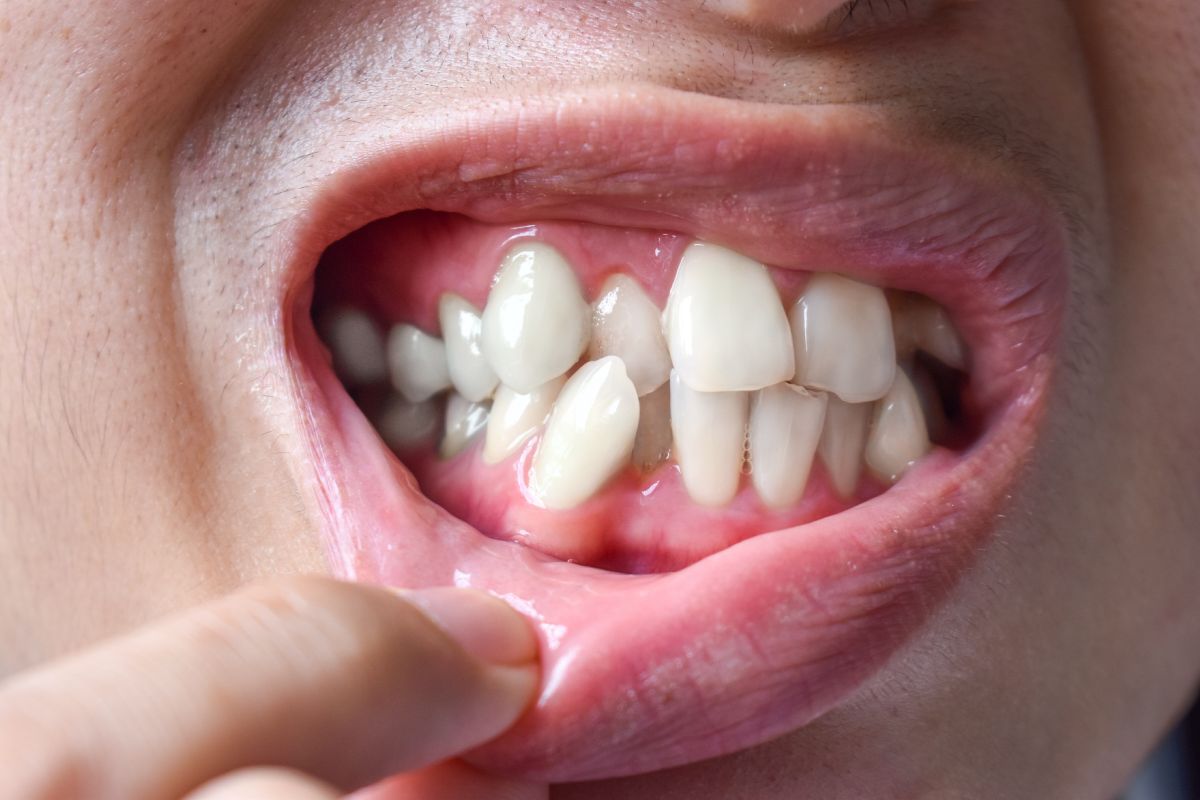
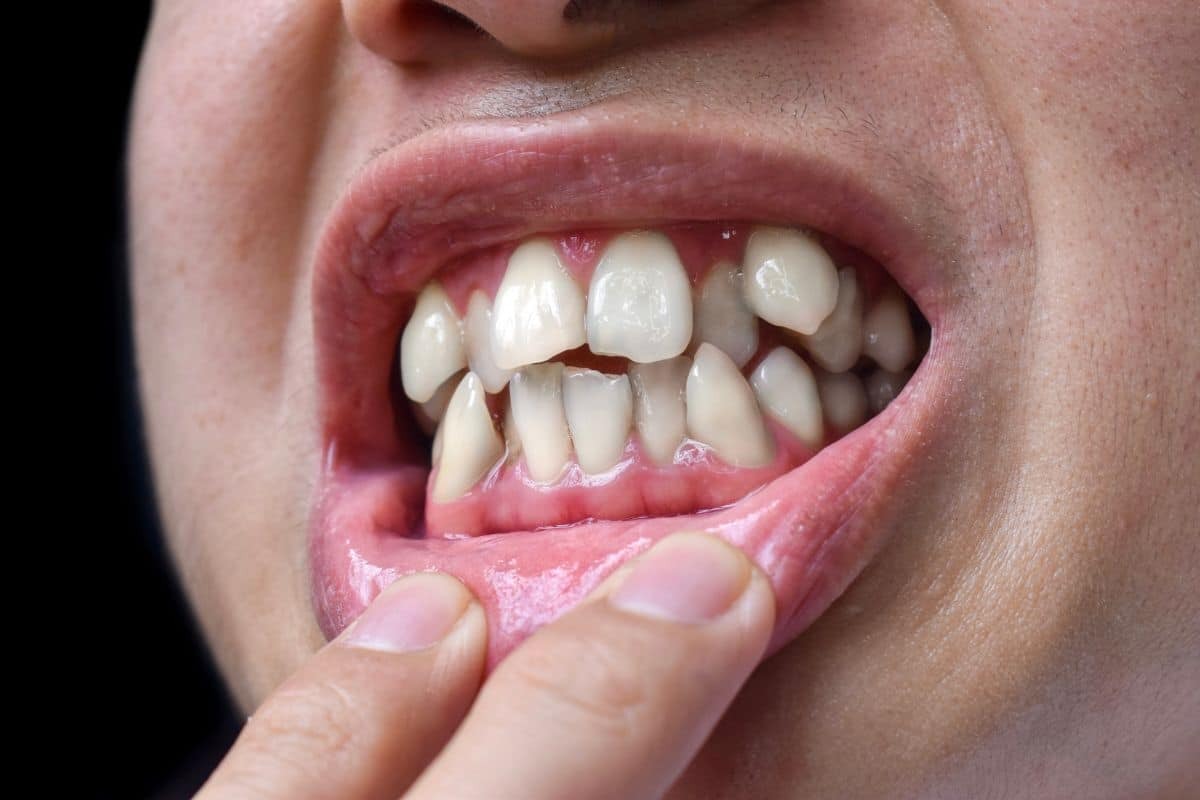
Both Invisalign and braces can straighten teeth effectively, but braces may be recommended for more complex orthodontic cases. Your orthodontist will help determine which option best fits your needs.
How to Make the Best Choice
Here are a few quick tips:
- If you want a discreet look and convenience, Invisalign may be your best bet.
- If your teeth need significant movement or you prefer a more hands-off routine, braces might be better.
- Always talk with your orthodontist — they’ll tailor the right plan for your unique smile.
Frequently Asked Questions
Q: Which option is more comfortable, Invisalign or braces?
A: Invisalign aligners tend to feel more comfortable because they don’t use wires or brackets that can rub against your cheeks and gums.
Q: Will Invisalign work as well as braces?
A: For mild to moderate alignment issues, Invisalign is highly effective. For more complex cases, braces may provide better control.
Q: How long does treatment take?
A: Every smile is different! Invisalign treatment typically lasts 12–18 months, while braces may take 12–36 months, depending on the severity of the misalignment.
Q: Do braces or Invisalign make cleaning harder?
A: Braces stay on your teeth and require careful brushing around brackets and wires. Invisalign aligners are removable, which makes brushing and flossing easier.
Q: Does insurance cover orthodontic treatment?
A: Coverage varies by plan. Many dental insurance policies cover part of the cost of braces or Invisalign. Be sure to check with your provider and our office for details.
Ready to Get Started?
If you’re considering orthodontics and want personalized guidance, we’re here to help every step of the way. Visit our dental office to meet with a trusted orthodontist who can answer your questions and recommend the best path for your smile. Don’t wait — book an appointment today and take the first step toward a healthier, more confident smile!