Boca Raton, FL

Can an Orthodontist Fix a Chipped Tooth?


A chipped tooth can be a jarring experience, both aesthetically and functionally. It’s natural to wonder who can address this issue and restore your smile. While your first thought might be a general dentist, the question arises: can an orthodontist, a specialist known for braces and alignment, fix a chipped tooth? Let’s delve into the intricacies of dental repair and the roles of these dental professionals.
Understanding the Nature of a Chipped Tooth
Before we explore the roles of dental professionals, it’s crucial to understand what constitutes a chipped tooth. A chip can range from a minor, barely noticeable nick to a significant fracture affecting the tooth’s structure. The severity determines the required treatment. Common causes include:
- Trauma: Accidental falls, sports injuries, or blows to the face.
- Biting Hard Objects: Chewing on ice, hard candies, or even pens.
- Tooth Decay: Weakened enamel due to cavities can make teeth more susceptible to chipping.
- Teeth Grinding (Bruxism): Habitual grinding can wear down and chip teeth.
The Orthodontist’s Domain: Alignment and Bite Correction
Orthodontists specialize in the diagnosis, prevention, and treatment of dental and facial irregularities, primarily focusing on:
- Malocclusion (Misaligned Bite): Correcting overbites, underbites, crossbites, and open bites.
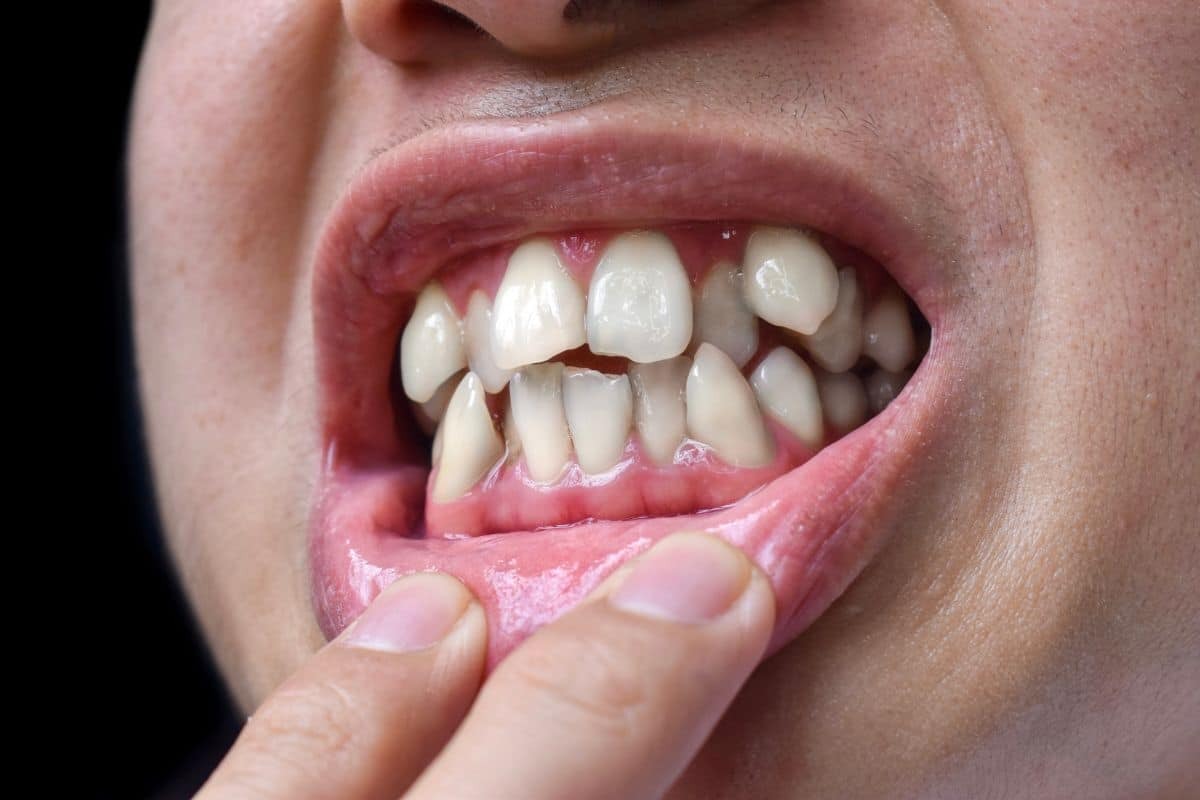
- Teeth Alignment: Straightening crooked teeth using braces, aligners, and other appliances.
- Jaw Alignment: Addressing jaw discrepancies that affect facial symmetry and function.
Their expertise lies in moving teeth and aligning jaws, not necessarily in direct tooth restoration. Therefore, while an orthodontist is crucial for overall dental alignment, they are generally not the primary professional for fixing a chipped tooth. If you are looking for an Orthodontist in Boca Raton for teeth alignment, remember that chipped tooth repair is often handled by a general dentist first.
The General Dentist: The First Line of Defense for Chipped Teeth
General dentists are equipped to handle a wide array of dental issues, including chipped teeth. Their expertise includes:
- Dental Bonding: Applying a tooth-colored resin to repair minor chips and fractures.
- Dental Veneers: Thin porcelain shells that cover the front surface of the tooth, addressing more significant chips and aesthetic concerns.
- Dental Crowns: Caps that cover the entire tooth, used for extensive damage or fractures that compromise tooth structure.
- Fillings: Repairing damage caused by cavities that may have contributed to a chip.
When Orthodontics and Restorative Dentistry Intersect
While an orthodontist may not directly fix a chipped tooth, there are scenarios where their expertise becomes relevant:
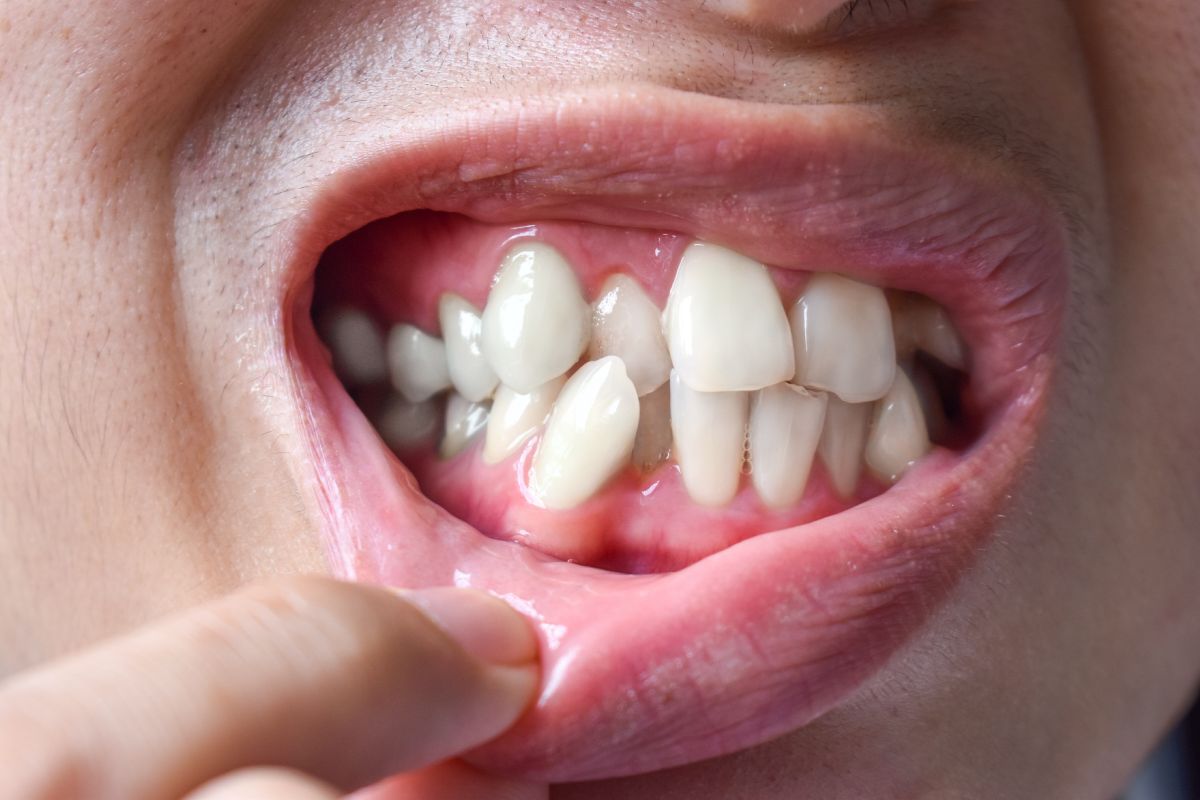
- Chipped Tooth Due to Malocclusion: If a misaligned bite contributed to the chip, an orthodontist can correct the bite to prevent future damage. For example, if an overbite causes upper teeth to impact lower teeth, chipping can occur. Correcting the overbite reduces this risk.
- Post-Restoration Alignment: After a chipped tooth is repaired, orthodontic treatment may be necessary to align the restored tooth with the rest of the dentition. This ensures proper function and aesthetics.
- Complex Cases Involving Both Alignment and Restoration: In severe cases involving significant trauma or developmental issues, a collaborative approach between an orthodontist and a general dentist (or other dental specialists) may be required.
Steps to Take When You Chip a Tooth
- Assess the Damage: Determine the severity of the chip.
- Contact Your General Dentist: Schedule an appointment as soon as possible.
- Preserve the Tooth Fragment (If Possible): If a piece of the tooth breaks off, rinse it with water or milk and store it in a container with milk or saliva.
- Manage Pain and Swelling: Apply a cold compress to the affected area and take over-the-counter pain relievers if necessary.
- Follow Your Dentist’s Recommendations: Adhere to the treatment plan provided by your dentist.
For most chipped tooth cases, a general dentist is the appropriate professional. They can assess the damage and provide the necessary restorative treatment. Visit Our Dental Office to get a full examination and a personalized treatment plan.
The Importance of Preventative Measures
Preventing chipped teeth is always better than treating them. Here are some preventative measures:
- Wear a Mouthguard: Protect your teeth during sports or activities with a custom-fitted mouthguard.
- Avoid Biting Hard Objects: Refrain from chewing on ice, hard candies, or other hard substances.
- Maintain Good Oral Hygiene: Brush and floss regularly to prevent tooth decay and strengthen enamel.
- Address Bruxism: If you grind your teeth, consult your dentist for a nightguard.
- Regular Dental Checkups: Routine dental visits allow for early detection and treatment of potential issues.
While an orthodontist specializes in aligning teeth and jaws, a general dentist is the primary professional for fixing a chipped tooth. Orthodontic treatment may be necessary in conjunction with restorative dentistry to address underlying alignment issues or to achieve optimal aesthetics and function. Understanding the roles of these dental professionals ensures you receive the appropriate care for your specific needs. If you have any dental concerns, don’t hesitate to book an appointment with our dentist to get the best care. Remember, prompt action and preventative measures are key to maintaining a healthy and beautiful smile.