Boca Raton, FL

Can Orthodontics Help with Teeth Grinding?


Teeth grinding, medically known as bruxism, is a surprisingly common condition that affects millions. While often dismissed as a minor habit, chronic teeth grinding can lead to a range of problems, including worn-down teeth, jaw pain, headaches, and even sleep disturbances. If you’ve been suffering from the effects of bruxism, you might be wondering: Can orthodontics offer a solution? The answer, in many cases, is a resounding yes.
Understanding Bruxism: The Hidden Habit
Before exploring the orthodontic connection, it’s essential to understand the underlying causes of bruxism. While the exact triggers can vary, common culprits include stress and anxiety, certain medications, sleep disorders like sleep apnea, and even an improper bite or misaligned teeth. Many people grind their teeth unconsciously, especially during sleep, making it difficult to self-diagnose.
The symptoms of bruxism can be diverse and impactful:
- Worn-down, chipped, or fractured teeth: The constant friction can severely damage tooth enamel.
- Increased tooth sensitivity: As enamel erosion occurs, the underlying dentin becomes exposed.
- Jaw pain and stiffness: The muscles of the jaw (masseter and temporalis) are constantly engaged.
- Headaches and earaches: Referred pain from the jaw muscles.
- Clicking or popping in the jaw joint (TMJ): Damage to the temporomandibular joint.
- Disrupted sleep for both the grinder and their partner.
The Orthodontic Link: When Bite Matters
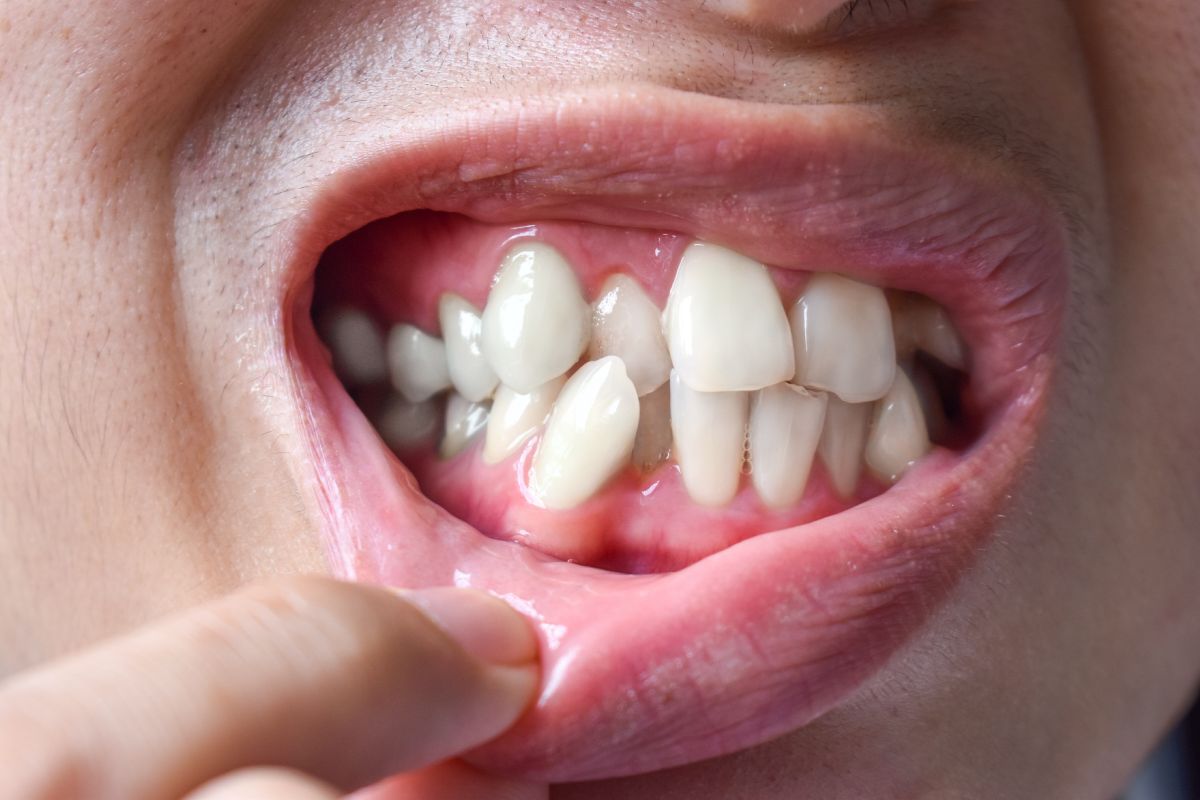
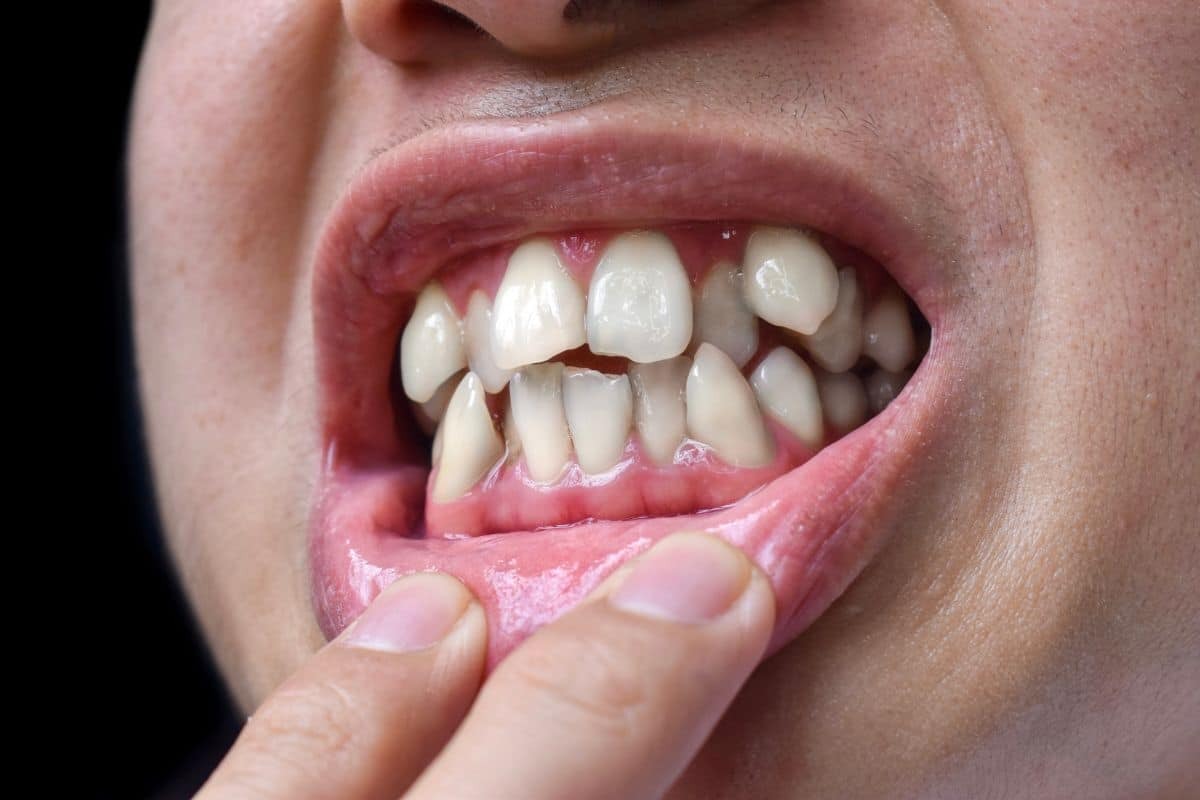
One of the most significant yet often overlooked contributors to chronic teeth grinding is a misaligned bite, also known as malocclusion. When your upper and lower teeth don’t come together properly, it can create “interferences”—points where teeth prematurely contact during chewing or jaw movements. In an attempt to find a comfortable resting position or to avoid these interferences, your jaw muscles might unconsciously grind or clench. If you’re looking for an orthodontist in Boca Raton who can help assess your bite, this is a crucial first step.
Imagine trying to fit two puzzle pieces together that don’t quite match. Your brain and muscles will continuously try to force them into place. This is similar to what happens with a misaligned bite, leading to constant muscle tension and, ultimately, bruxism.
How Orthodontics Can Offer Relief
Orthodontic treatment aims to correct the alignment of your teeth and jaws, creating a harmonious and balanced bite. By addressing the underlying structural issues, orthodontics can significantly reduce or even eliminate the need for your jaw muscles to grind.
Here are some ways orthodontics can help:
- Aligning teeth: Straightening crooked or crowded teeth ensures that they meet evenly when you bite down. This eliminates those problematic interferences that can trigger grinding.
- Correcting bite discrepancies: Whether you have an overbite, underbite, crossbite, or open bite, orthodontic treatment can adjust the relationship between your upper and lower jaws. A properly aligned bite distributes pressure evenly across your teeth, reducing strain on your jaw muscles.
- Improving jaw function: When teeth and jaws are properly aligned, the temporomandibular joints (TMJ) can function more efficiently and with less stress, potentially alleviating associated pain and clicking.
Common orthodontic treatments that can help with bruxism include:
- Braces (traditional or clear): These are highly effective in moving teeth into their correct positions.
- Clear aligners (like Invisalign): A popular, discreet option for straightening teeth.
- Surgical orthodontics: In severe cases of jaw misalignment, a combination of orthodontics and surgery might be necessary.
Beyond Orthodontics: A Holistic Approach
While orthodontics can play a pivotal role, it’s important to remember that bruxism is often multifaceted. A comprehensive approach usually yields the best results. Your orthodontist or dentist might recommend combining orthodontic treatment with other strategies, such as:
- Stress management techniques: Counseling, meditation, yoga, or exercise can help reduce stress-induced grinding.
- Nightguards or splints: While not a permanent solution, these custom-made appliances can protect your teeth from further damage during sleep and help retrain your jaw muscles.
- Biofeedback: Learning to control muscle activity through real-time monitoring.
- Addressing sleep disorders: If sleep apnea is a factor, treating it can alleviate bruxism.
The Path to a Healthier Smile and a Pain-Free Jaw
If you suspect your teeth grinding is linked to a misaligned bite, consulting with an experienced professional is your best first step. They can conduct a thorough examination, including X-rays and bite analysis, to determine the root cause of your bruxism. We invite you to visit our dental office to discuss your concerns and explore your options. Investing in orthodontic treatment isn’t just about aesthetics; it’s about improving your oral health, relieving chronic pain, and enhancing your overall quality of life. By addressing the underlying structural issues, orthodontics provides a durable and effective solution for many individuals who suffer from the often debilitating effects of teeth grinding. To take the first step toward a healthier, more comfortable smile today, book an appointment with us.