Boca Raton, FL

Can Wisdom Teeth Shift Your Teeth After Braces?


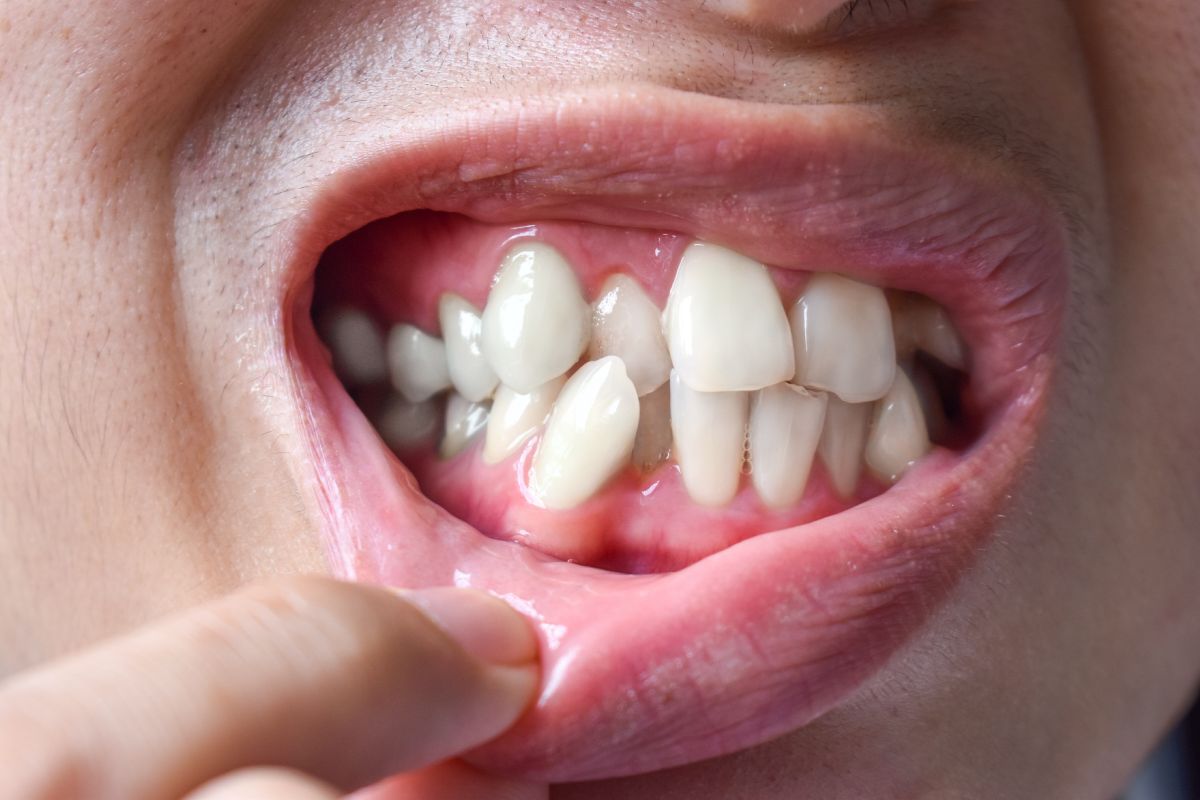
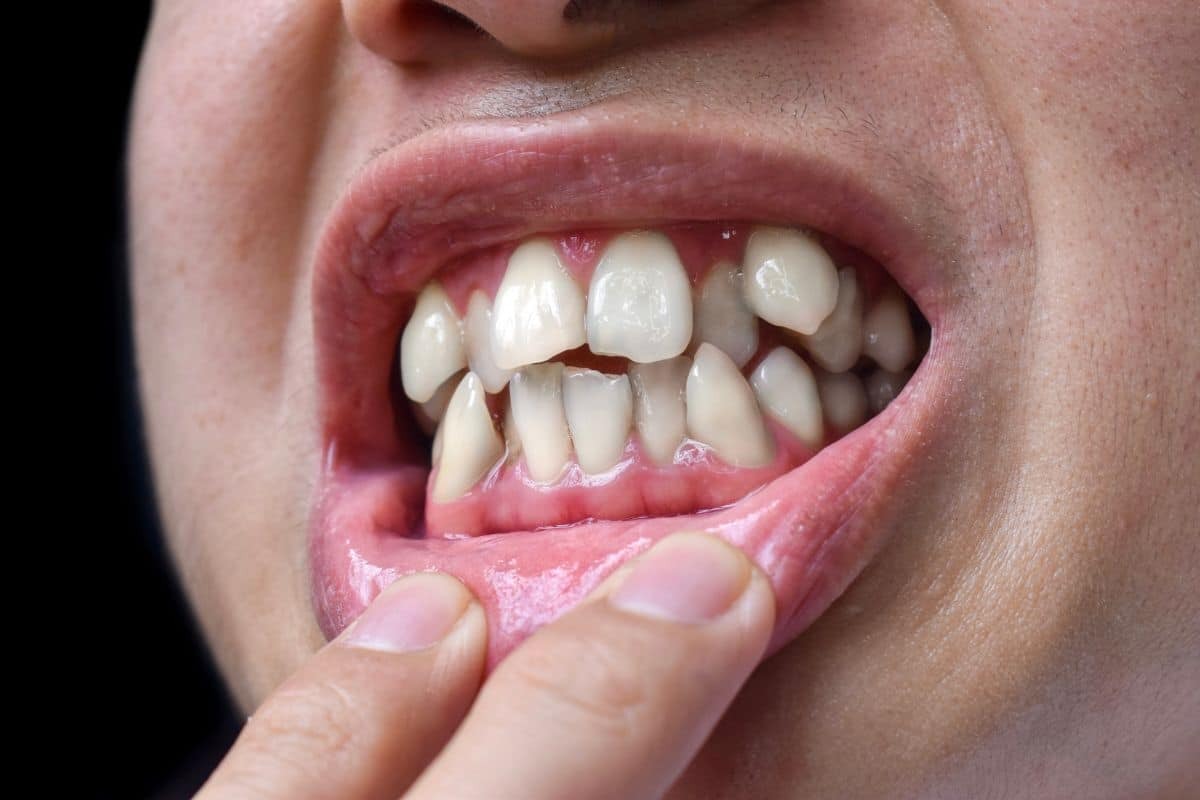
Finishing orthodontic treatment is a momentous occasion. After months or even years of dedicated effort—navigating the discomfort, adjusting to dietary changes, and meticulously cleaning your braces—you finally have the straight, beautiful smile you’ve always wanted. The last thing you want is for that perfect alignment to go awry. So, a common and pressing question emerges: can your wisdom teeth, which often erupt years after your braces are off, cause your newly straightened teeth to shift?
This is a concern shared by many, and for good reason. The myth that wisdom teeth are a primary cause of post-orthodontic relapse is widespread. Let’s delve into the science to separate fact from fiction and provide a clear, easy-to-understand answer.
The Role of Retainers: The Unsung Hero of a Straight Smile
Before we address the wisdom teeth question directly, it’s crucial to understand the most significant factor in maintaining a straight smile after braces: retainers. Orthodontic treatment doesn’t just move teeth; it also changes the surrounding bone and ligament structure. After your braces are removed, your teeth are still settling into their new positions, and the bone is still firming up around them.
This is where retainers come in. They’re designed to hold your teeth in their final, corrected positions, preventing them from shifting back to their original alignment. Neglecting to wear your retainer as prescribed by your orthodontist is the number one cause of orthodontic relapse. Without a retainer, your teeth can and will shift, often moving back to their old, crooked positions.
The Wisdom Teeth Debate: Do They Exert Pressure?
The traditional belief is that erupting wisdom teeth, also known as third molars, exert enough forward pressure to push all the other teeth in the arch, leading to crowding and misalignment. This idea seems logical—after all, wisdom teeth are large and often don’t have enough space to erupt properly.
However, modern orthodontic research has largely debunked this theory. Multiple long-term studies have shown that there is no direct, causal link between the eruption of wisdom teeth and the shifting of teeth in the front of the mouth. Teeth naturally shift and drift throughout a person’s life, whether or not wisdom teeth are present. This natural, age-related movement is a gradual process and is unrelated to the eruption of third molars.
The Real Culprits Behind Post-Brace Shifting
If wisdom teeth aren’t the primary cause, what is? The answer lies in a combination of factors, many of which are a normal part of aging:
- Natural Growth and Aging: As we age, our jaw and facial structure continue to change. There is a natural tendency for the lower front teeth to become slightly crowded over time, a process called mesial drift. This occurs in everyone, whether or not they have had orthodontic treatment.
- Lack of Retainer Compliance: As mentioned earlier, this is the most significant factor. If you don’t wear your retainer, your teeth will shift. Period. This can happen in the first few months after braces are removed or even years down the line.
- Habits and Oral Health: Habits like tongue thrusting, mouth breathing, and even clenching or grinding your teeth can put pressure on your teeth and contribute to shifting. Poor oral hygiene and gum disease can also weaken the support structure of your teeth, making them more susceptible to movement.
- Dental Work and Restorations: New fillings, crowns, or other dental work can slightly alter your bite and put pressure on adjacent teeth, leading to subtle changes in alignment.
If you are experiencing any of these issues or are looking for a highly-rated orthodontist in Boca Raton, we are here to help.
When Should Wisdom Teeth Be Removed?
While wisdom teeth may not be a direct cause of tooth shifting after braces, their removal can still be necessary for other reasons. Your orthodontist or oral surgeon may recommend the extraction if they are:
- Impacted: Stuck in the jawbone or gum tissue, unable to erupt properly.
- Causing Pain or Infection: Partially erupted wisdom teeth can trap food and bacteria, leading to pain, swelling, and infection (pericoronitis).
- Damaging Adjacent Molars: An impacted wisdom tooth can put pressure on the roots of the second molar, potentially causing root resorption or cavities.
- Causing Cysts or Tumors: In rare cases, impacted wisdom teeth can lead to the formation of cysts or benign tumors.
The Final Verdict: Retainers Rule
To summarize, while the eruption of wisdom teeth may cause discomfort and other oral health issues, there is no scientific evidence to support the claim that they are a primary cause of post-braces tooth shifting. The most crucial factor in maintaining your straight smile is consistent and correct use of your retainer.
Your investment in a beautiful smile is a lifelong commitment. By wearing your retainer diligently, maintaining good oral hygiene, and visiting your dentist and orthodontist for regular check-ups, you can ensure that your teeth remain perfectly aligned for years to come, regardless of what your wisdom teeth decide to do. To learn more about how to maintain your smile or to address any dental concerns, we invite you to visit our dental office. If you have more questions or are ready to schedule a consultation, you can easily book an appointment with our team.