Boca Raton, FL

More Than a Beautiful Smile: How Straight Teeth Improve Speech and Chewing


When most people think about orthodontics, the first image that comes to mind is a perfectly aligned, radiant smile. While boosting your self-confidence is a wonderful benefit, the advantages of straight teeth go much deeper than cosmetics. In fact, properly aligned teeth play a critical role in some of your body’s most essential daily functions: speaking and eating.
At Shelling Orthodontics Boca Raton, we believe that a healthy smile is a functional smile. If you or your child struggles with clear pronunciation or experiences discomfort while eating, the root cause might be a misaligned bite.
Let’s dive into the fascinating science behind how your teeth affect your speech and chewing, and why investing in orthodontic treatment is one of the best choices you can make for your overall quality of life.
The Physics of Speech: How Teeth Shape Your Words
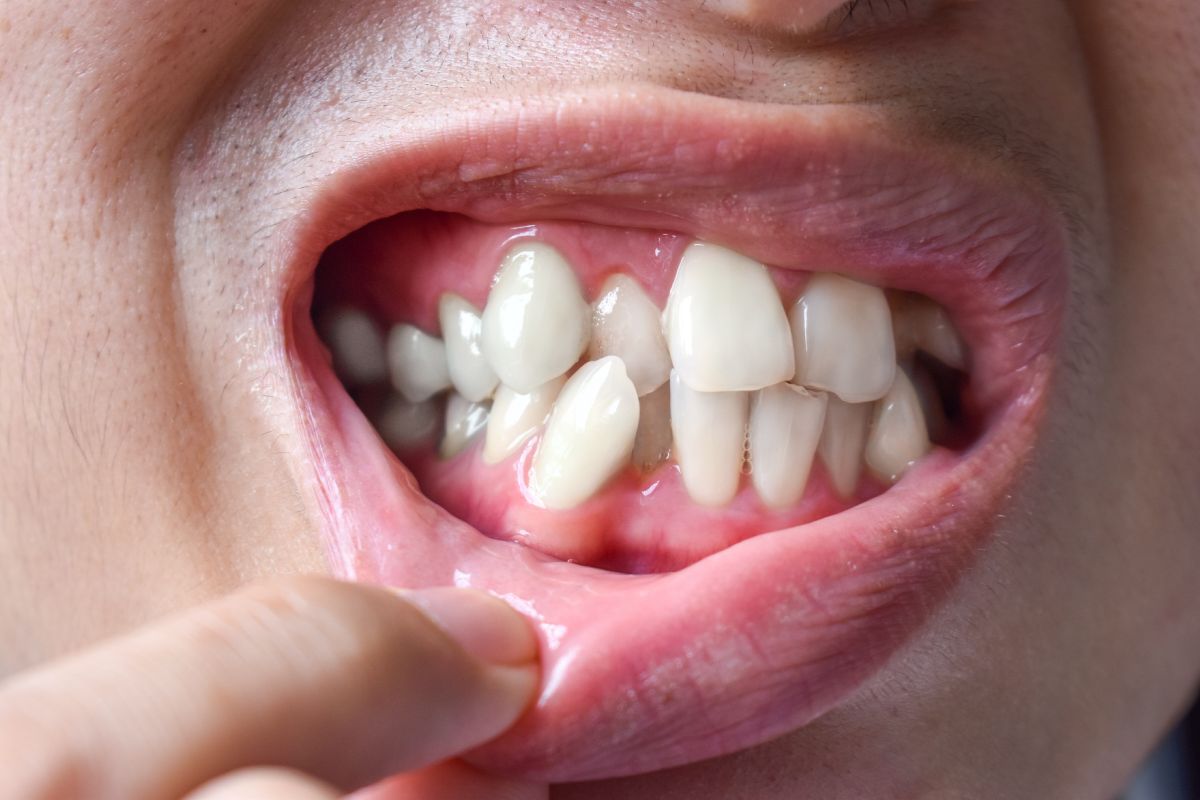
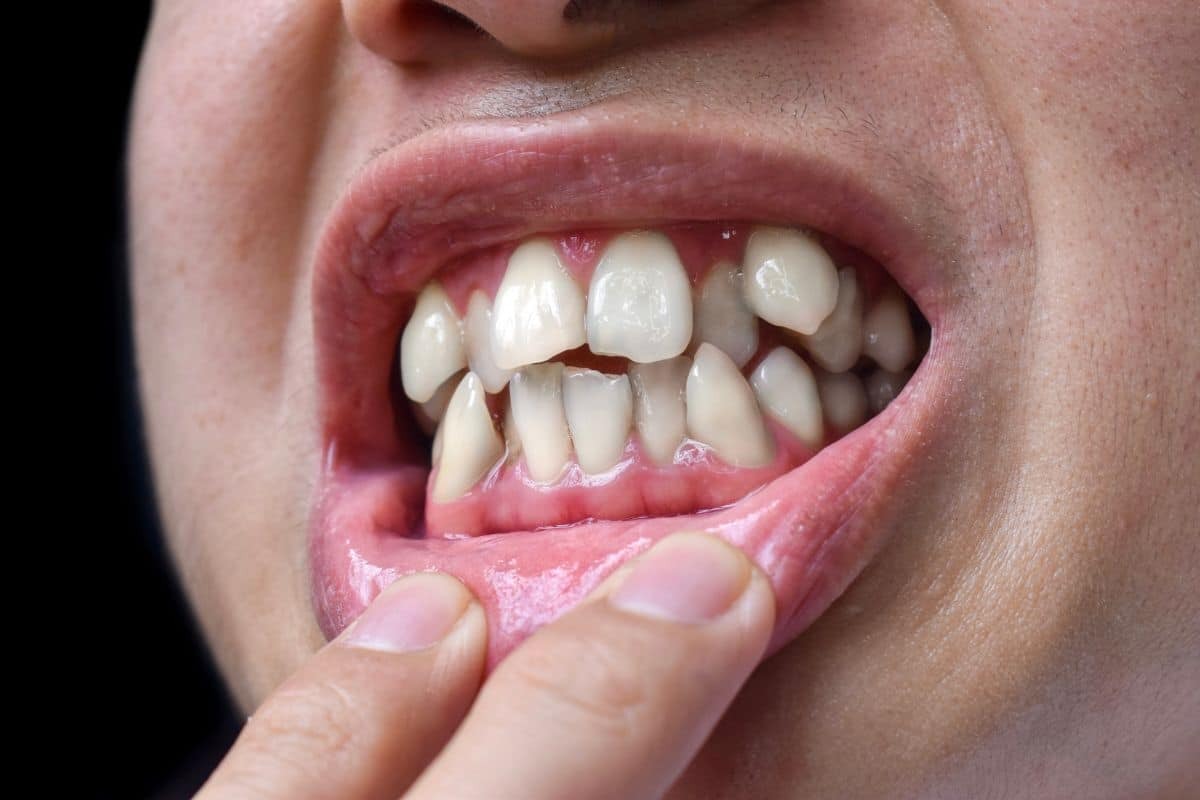
Speech is a complex process that requires seamless coordination between your lungs, vocal cords, tongue, lips, and teeth. Your teeth act as structural boundaries for your tongue and airflow. When you speak, your tongue presses against your teeth or the roof of your mouth to articulate specific sounds. If your teeth are crowded, widely spaced, or misaligned, the tongue cannot make the precise contact needed to produce these sounds accurately.
Common Speech Impediments Caused by Misalignment
An experienced orthodontist can often identify specific bite issues just by listening to a patient speak. Here are a few ways structural alignment problems can impact your voice:
- The Notorious Lisp: A lisp usually occurs when the tongue protrudes through the front teeth while trying to make “S” or “Z” sounds. This is incredibly common in patients with an open bite (where the front upper and lower teeth don’t meet when the back teeth close) or significant gaps between the teeth.
- Whistling Sounds: If your front teeth have small gaps or a severe overbite, air can escape unevenly while you speak. This often results in an unintentional high-pitched whistling sound during “S”, “F”, or “V” sounds.
- Slurred or Muffled Speech: When crowding leaves little room for the tongue to move freely, words can sound jumbled or slurred. The tongue becomes “trapped,” making rapid articulation difficult.
By properly aligning the dental arches, braces or clear aligners create the perfect environment for crisp, clear diction. Children who undergo early interceptive orthodontics often see a noticeable improvement in their speech therapy outcomes, while adults frequently find themselves speaking with newfound clarity and public-speaking confidence.
The Mechanics of Mastication: Why Proper Chewing Matters
Chewing (scientifically known as mastication) is the very first step of your digestive process. Your teeth are designed to work like a finely tuned machine. Each type of tooth has a specific job: incisors cut the food, canines tear it, and premolars and molars grind it down into a safe, easily digestible consistency.
When your upper and lower teeth do not fit together correctly, a condition known as a malocclusion, the mechanics of chewing break down.
The Hidden Consequences of Poor Chewing
When chewing is compromised by misaligned teeth, it triggers a domino effect of health issues throughout the body:
- Gastrointestinal Strain: If your molars cannot grind food efficiently, you swallow larger pieces of food. This forces your stomach and intestines to work twice as hard, leading to acid reflux, bloating, indigestion, and poor nutrient absorption.
- Uneven Tooth Wear: When your bite is off, certain teeth bear the brunt of the pressure. This can cause premature flattening of the molars, cracked enamel, or fractured teeth, leading to costly dental restorations down the road.
- Jaw Pain and TMJ Disorders: To compensate for a bad bite, your jaw muscles have to shift into unnatural positions to chew. Over time, this constant strain overworks the temporomandibular joint (TMJ), resulting in chronic headaches, earaches, neck pain, and a clicking jaw.
Correcting your bite ensures that chewing forces are distributed evenly across your entire mouth, protecting your teeth from wear and tear while saving your digestive system from unnecessary stress.
Beyond Speech and Chewing: Additional Health Benefits of Straight Teeth
When you correct structural alignment to improve speech and eating, you unlock several bonus health benefits that contribute to a lifetime of wellness:
- Effortless Oral Hygiene: Straight teeth are significantly easier to brush and floss. Plaque and bacteria love to hide in the tight, overlapping crevices of crowded teeth. When teeth are aligned, your toothbrush can easily reach every surface, drastically reducing your risk of cavities and gum disease.
- Reduced Risk of Dental Trauma: Protruding front teeth (often called “buck teeth”) are highly vulnerable to injury, especially for active kids and teenagers playing sports in South Florida. Bringing these teeth back into alignment protects them from accidental chips and fractures.
- Better Sleep Quality: In some cases, jaw misalignment contributes to airway obstructions, leading to snoring or obstructive sleep apnea (OSA). Orthodontic treatments that widen the palate or advance the jaw can improve airflow and sleep quality.
The South Florida Solution: Personalized Orthodontics in Boca Raton
Every mouth is entirely unique, which is why a one-size-fits-all approach to structural dental health never works. Achieving optimal function requires an expert eye and a customized treatment plan.
When you visit our dental office, our team uses state-of-the-art digital imaging to map out your entire oral structure. This allows us to see exactly how your teeth interact when you speak and chew. Whether you are considering traditional ceramic braces for your teenager or discreet clear aligners for yourself, we tailor our care to match your lifestyle, goals, and anatomy.
We love serving the vibrant Boca Raton community, helping neighbors of all ages move past the discomfort of structural misalignment so they can live, eat, and speak fully and vibrantly.
Ready to Transform Your Health? Schedule Your Consultation Today!
If you are tired of dealing with persistent jaw fatigue, speech insecurities, or digestion issues, it’s time to look beyond the surface of your smile. Investing in a properly aligned bite is an investment in your systemic health, systemic comfort, and daily confidence.
At Shelling Orthodontics Boca Raton, we are proud to provide world-class, compassionate orthodontic care. Let us help you achieve a smile that functions just as beautifully as it looks.
Don’t wait to improve your quality of life. Give our team a call or visit our website to book an appointment for your comprehensive smile consultation today!
Frequently Asked Questions
1. Can braces or Invisalign fix a speech lisp?
Yes! If your lisp is caused by an open bite, overbite, or gaps between your teeth, orthodontic treatment can be highly effective. By closing gaps and properly positioning the front teeth, we prevent air and the tongue from escaping incorrectly, which helps eliminate the lisp.
2. Will I talk differently while wearing braces or aligners?
There is usually a brief adjustment period of a few days to a week when you first get braces or switch to a new clear aligner tray. Your tongue is learning to navigate the new appliances. However, any minor lisp or speech change during this time is temporary, and your speech will improve significantly once treatment is complete.
3. Is it too late for adults to fix chewing problems with orthodontics?
It is never too late! Healthy teeth can be moved at any age. Many adults seek treatment later in life because they are tired of dealing with jaw pain, broken teeth, or difficulty eating. Modern options like clear aligners make adult treatment more comfortable and discreet than ever.
4. How long does it take to see improvements in chewing?
While full structural correction takes time, many patients notice a positive change in how their teeth fit together within the first few months of treatment. As the bite aligns, chewing gradually becomes smoother and more comfortable.