Boca Raton, FL

What is an Invisalign and how is it different from braces?

Orthodontic treatments have evolved to enable far more comfortable and convenient solutions to straighten teeth and offer a perfect smile for which many people strive. While metal braces have long been the standard for teeth alignment, the popularity of Invisalign has increased in recent years. So, what exactly is Invisalign, and how does it differ from traditional braces? So let’s dive in and understand how both methods work, and let’s get started so we can see what might be the best choice for you.
A healthy, confident smile is much more than mere vanity; it holds far-reaching importance in oral health. Difficulties such as jaw pain, chewing issues, and even extremely severe, long-term dental problems may result from mouthpieces that are not aligned correctly. Of the two most popular orthodontic solutions for correcting malalignment, one is braces, a long-standing favorite, while the other is Invisalign, a relatively new option.
Invisalign was introduced in 1997. It revolutionized orthodontic treatments by becoming a discreet, comfortable, and removable alternative to braces. Though similar in purpose, straightening methods have many differences in design, treatment process, and everyday experience. Knowing the differences between them will help you and your orthodontist choose the best treatment for your dental needs.
What Exactly Is Invisalign?
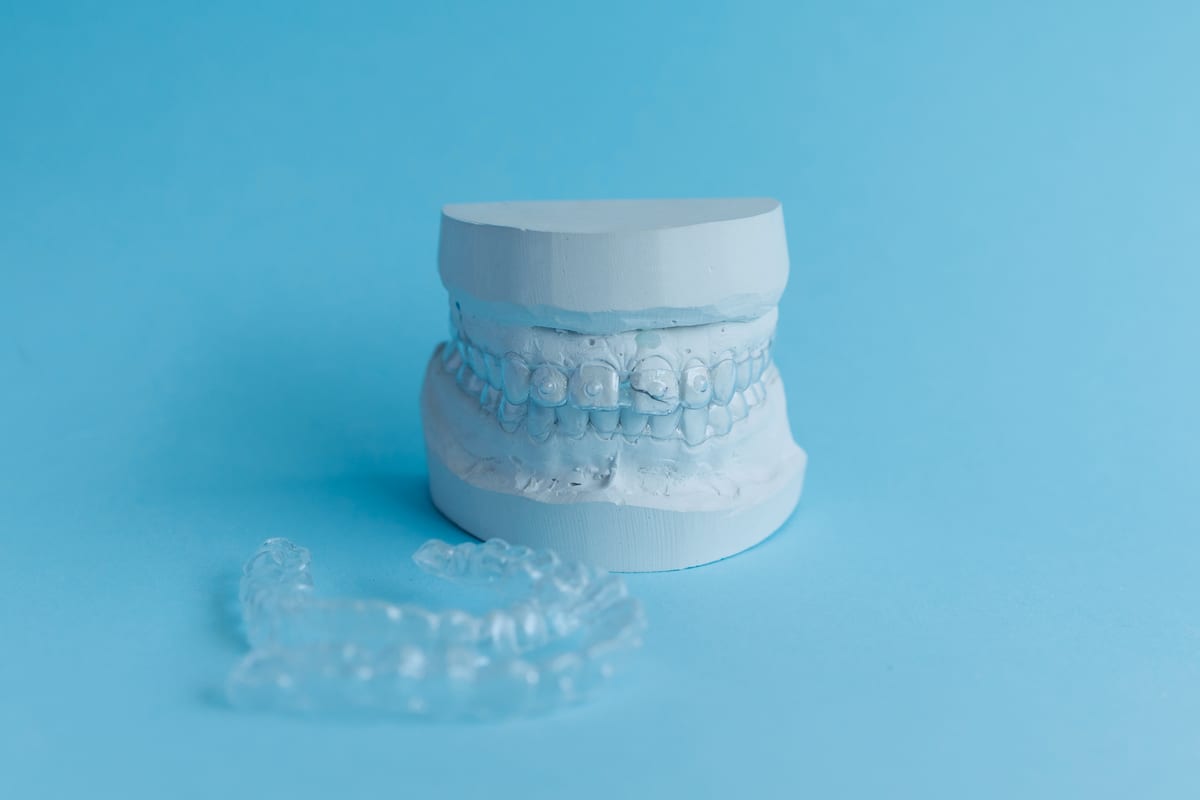
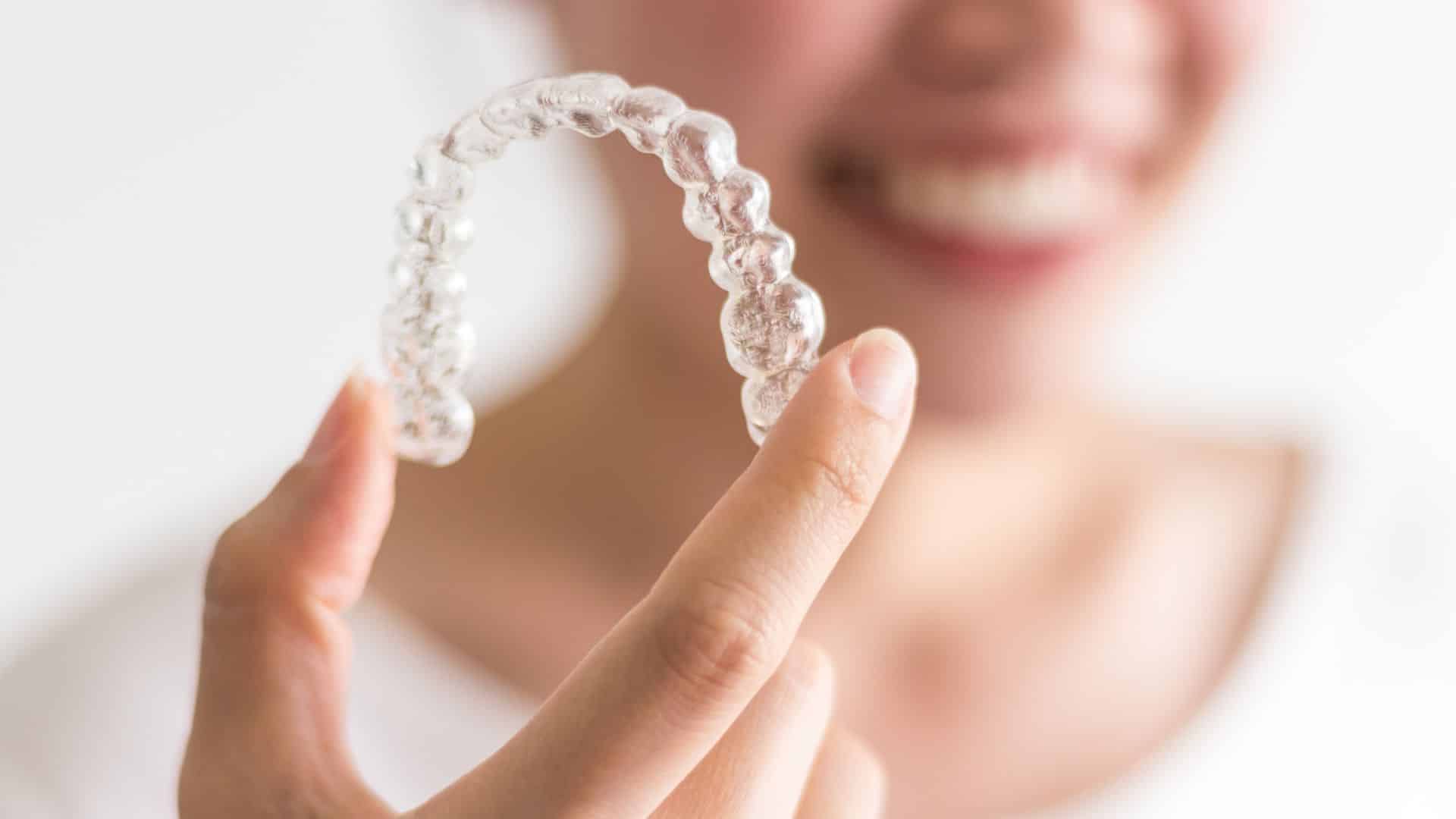
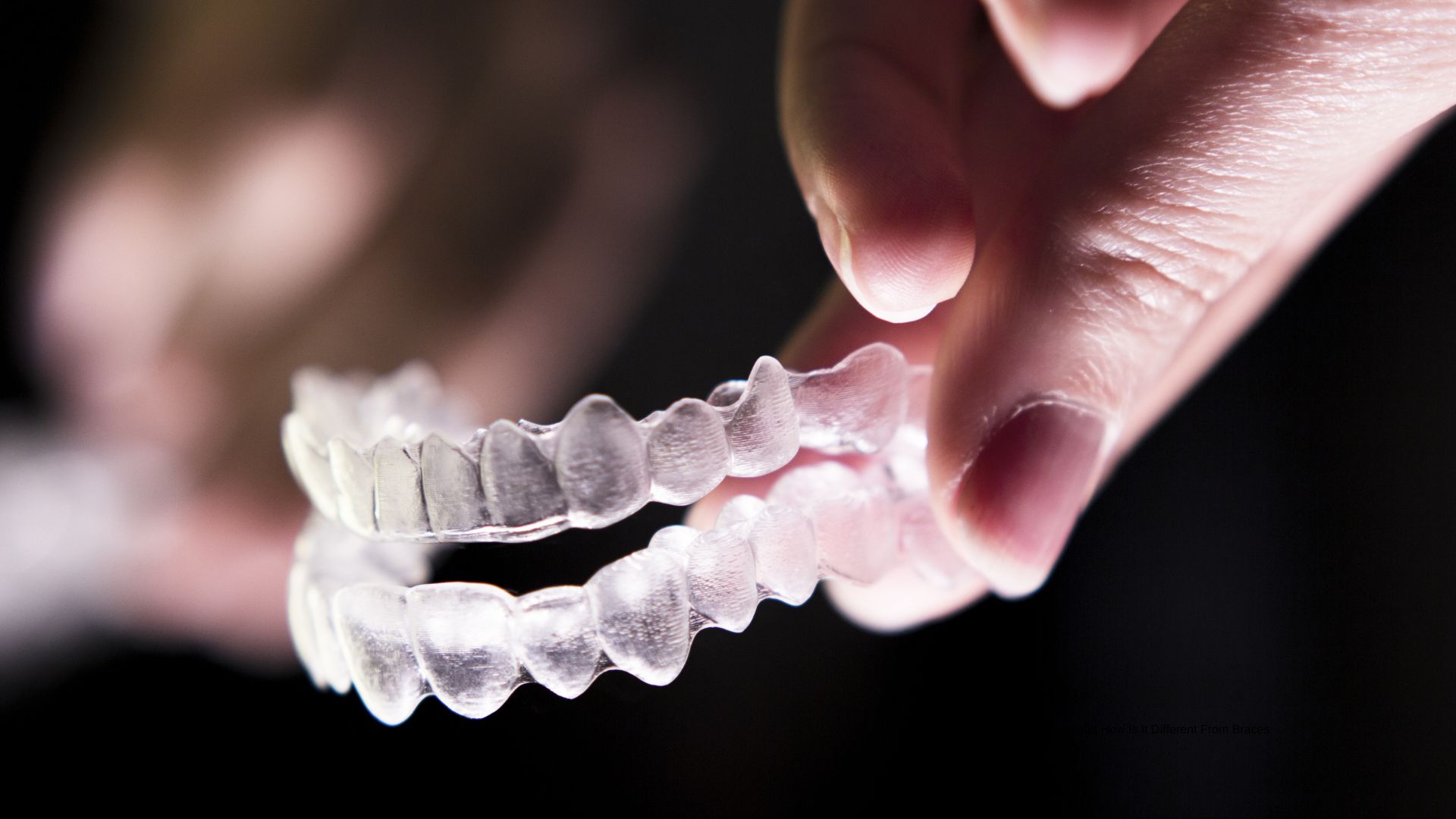
Invisalign is one of the most up-to-date orthodontic treatments. In this treatment, the teeth are progressively moved into a normal position by a series of clear, custom-made plastic aligners. These aligners are free of BPA and due to their smoothness, they are very comfortable to wear.
Here’s how it works: Your orthodontist will first consult with you, and based on the recommendations from this assessment, he will do a 3D scan of your teeth to come up with a treatment tailored just for you. Following that, you will receive a group of aligners, wear each set for nearly two weeks, and then change to the next set in a series. Each of the new aligners will shift your teeth closer to the proper position. Invisalign average treatments take about 12 to 18 months but might also vary depending on the case complexity.
Key Features of Invisalign:
- Clear and nearly invisible: One of the most desirable characteristics of Invisalign is its invisibility. It’s hard to notice unless someone is close.
- Removable: Unlike braces, Invisalign aligners can be removed for eating, drinking, brushing, and flossing, making it easier to maintain good oral hygiene.
- Comfortable: Since Invisalign uses smooth plastic instead of metal, there are no sharp edges to irritate your gums or cheeks.
- Personalized: Each aligner is custom-made to be a perfect fit for your teeth, and with each successive aligner, your teeth move into the desired position.
How Does Invisalign Differ From Braces?
There are significant differences between braces and Invisalign. Although they both align teeth, they use very different methods to achieve this.
1. Appearance or Aesthetics
Orthodontics uses metal brackets and wires attached directly to the teeth. Whereas braces are generally more conspicuous, although patients may choose ceramic or clear brackets for less visibility. In contrast, Invisalign is designed to be very discreet. Adults and many teenagers prefer Invisalign because it is not easily noticeable during conversation or in photographs.
2. Comfort Level
Traditional braces hurt so much because of the adjustment of wires and friction inside the mouth. Invisalign aligners are frictionless, hence much more comfortable to wear. They can be removed anytime when eating or drinking to avoid food sticking into wires or brackets, which is a common complaint against braces.
3. Removability
This is perhaps the most considerable difference between Invisalign and braces. Braces are meant to be set and must be taken out by your orthodontist once treatment is done. Invisalign aligners, on the other hand, can be taken out without anyone’s help and at any time you wish. The American Dental Association suggests that if somebody wants to achieve the best results, one needs to wear Invisalign for 20-22 hours a day. Invisalign, by design, makes it easier to clean the teeth than braces because you can brush and floss regularly.
4. Treatment Time and Rate of Adjustment
For both, time is a required factor, but with braces, the treatment time may sometimes take between 18 months to 3 years, depending on how severe the case would be. In comparison, while a case of Invisalign treatment generally takes less time, the management still requires discipline from the patient, as they have to keep on wearing the aligners.
Additionally, braces sometimes have to be readjusted in the presence of an orthodontist every month. On the other hand, Invisalign patients usually visit the orthodontist every 6-8 weeks to be reviewed and leave with a new set of aligners.
The decision between Invisalign and braces is very important and depends on a person’s lifestyle, comfort preferences, and even the complexity of the dental alignment. Of course, there’s nothing comparable to Invisalign; it is discreet, comfortable, and removable. However, there are complex cases when cases may still require traditional orthodontic appliances, such as more control over certain tooth movements.