Boca Raton, FL

Finished Your Last Invisalign Aligner? What Comes Next?

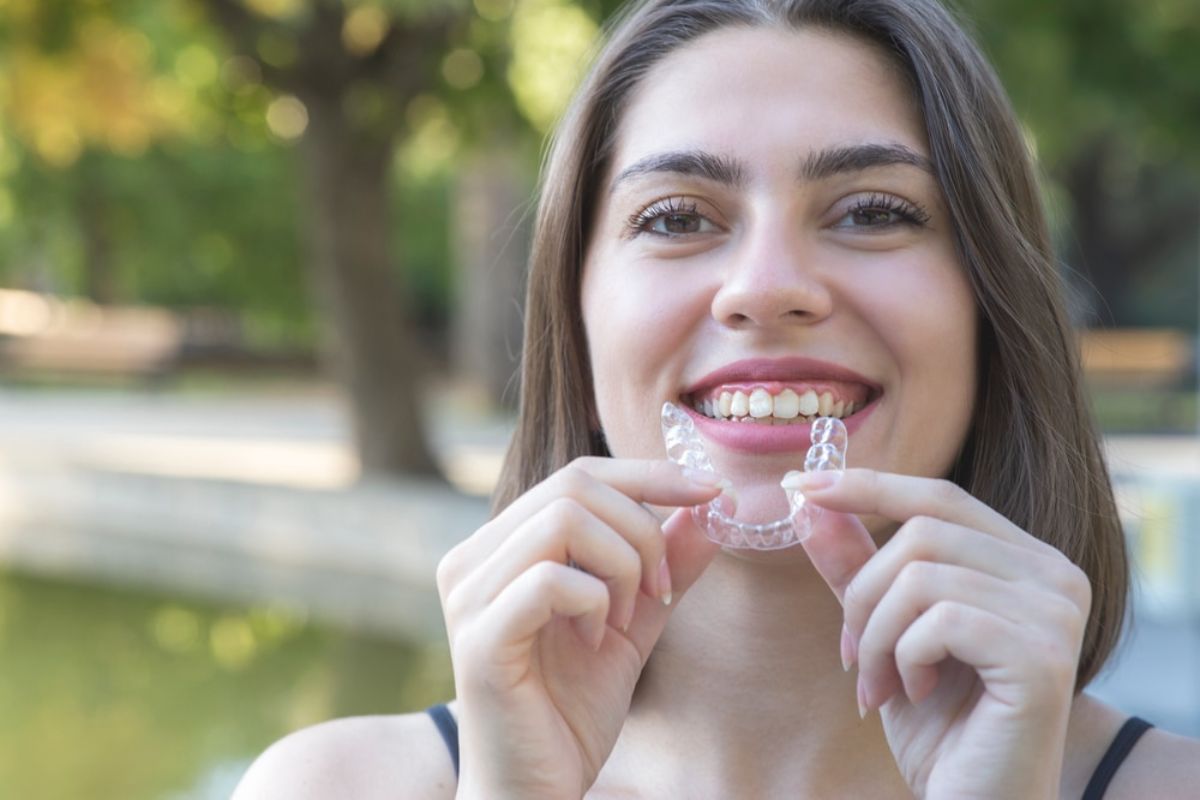
Congratulations! You’ve just finished your last Invisalign aligner. That’s a big achievement! But before you celebrate too much, there’s still some work to do. Keeping your teeth straight is just as important as getting them there in the first place. So, what happens now? Let’s go over what you need to do to maintain your beautiful smile.
What Happens After Invisalign Treatment?
Even though your Invisalign journey is over, your teeth still need support to stay in their new positions. Without some form of maintenance, they could start shifting back. That’s where retainers come in. They help keep your teeth in place while the bones and gums adjust to their new alignment.
What Types of Retainers Can You Use?
Your orthodontist will recommend a retainer that works best for you. Here are the three most common types:
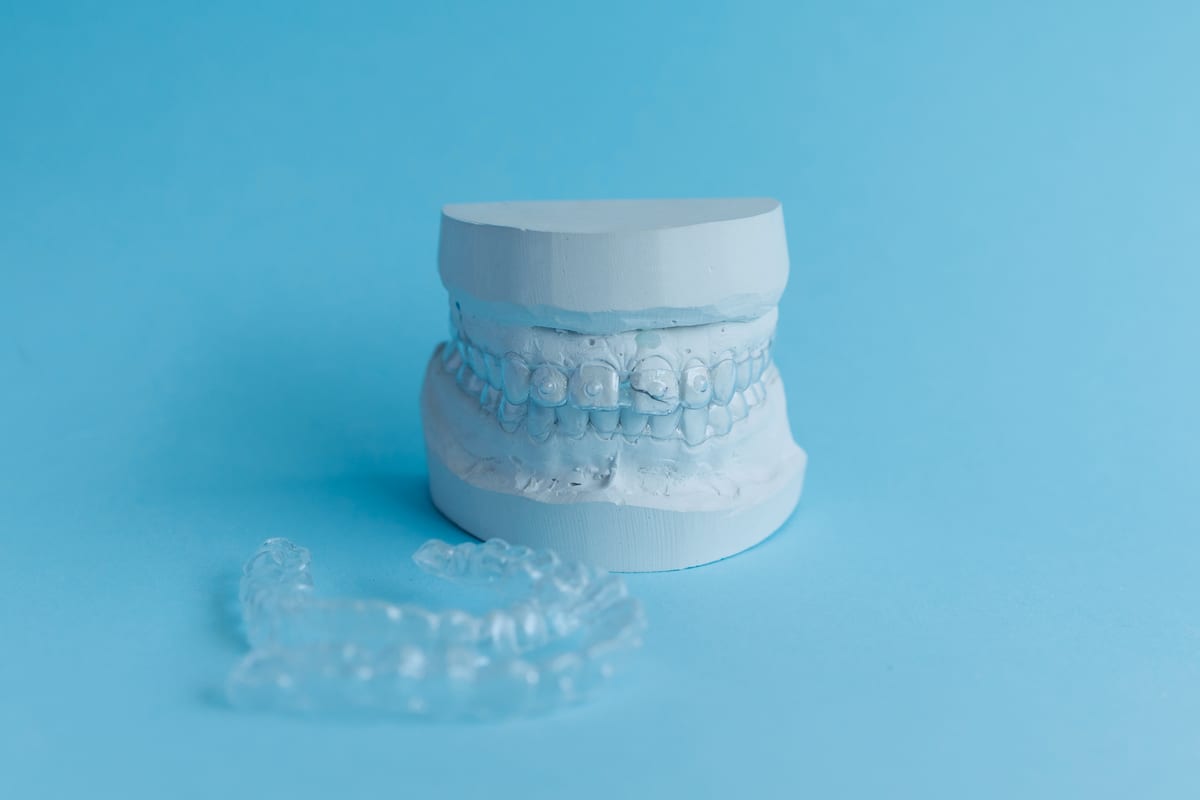
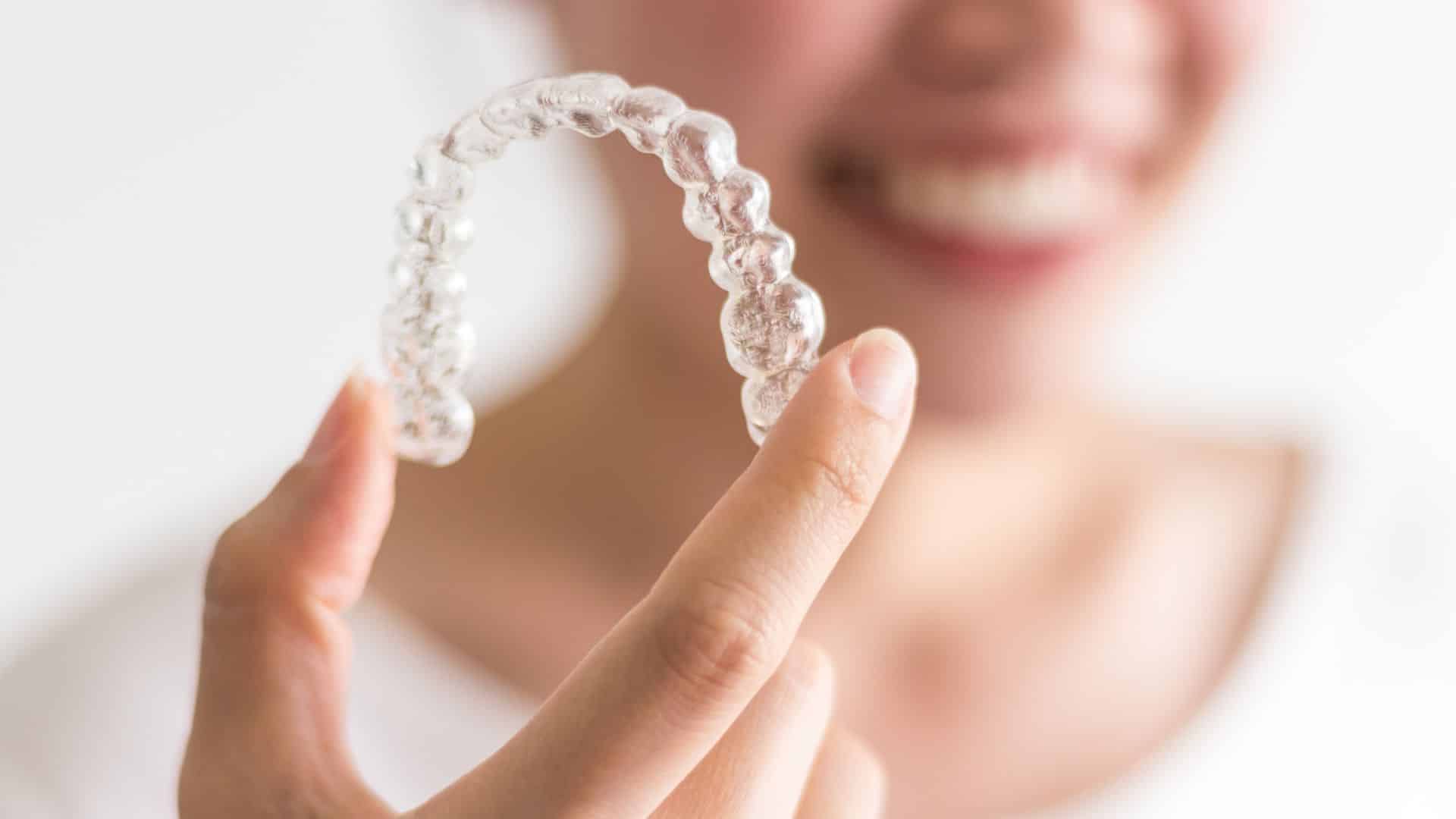
- Removable Retainers: These look a lot like clear aligners and are easy to take out and clean. But you have to remember to wear them regularly.
- Hawley Retainers: These have a plastic base with a wire that fits across the front of your teeth. They’re strong and can be adjusted if needed.
- Permanent (Bonded) Retainers: These are thin wires glued to the back of your teeth. You don’t have to worry about forgetting them, but you do need to clean them well.
How Often Do You Need to Wear Your Retainer?
For the first few months, you’ll need to wear your retainer most of the day—about 20-22 hours. After that, you can switch to wearing it only at night. But don’t stop wearing it completely! If you do, your teeth might start moving again, undoing all the hard work from your Invisalign treatment.
Will You Need a New Retainer?
Retainers don’t last forever. Over time, they can get loose, cracked, or worn out. Clear aligners-style retainers, especially, may become warped after long-term use. If your retainer doesn’t fit well anymore or feels uncomfortable, it’s time to get a new one.
What if You Lose or Break Your Retainer?
It’s easy to misplace or damage a retainer. If that happens, don’t wait too long to get a replacement. Even a few days without one can cause your teeth to start shifting. Some people keep a backup retainer just in case.
Do You Need to See the Orthodontist Again?
Yes! Even after Invisalign, you should visit your orthodontist for check-ups. They’ll make sure your retainer is working properly and that your teeth are staying in place. These check-ups are usually every six months to a year, depending on your needs.
How to Take Care of Your Retainer
To keep your retainer clean and working well, follow these simple tips:
- Wash your removable retainer daily with a soft toothbrush and mild soap.
- Don’t expose it to heat—hot water can warp clear aligners-style retainers.
- Keep it in a case when you’re not using it so it doesn’t get lost or broken.
- Brush and floss your teeth regularly, especially if you have a permanent retainer.
Can Teeth Move After Invisalign?
Yes, they can! It is natural for teeth to shift over time, even after orthodontic treatment. It’s for this reason that retainers are so important. Without it, your teeth might slowly move back to their old positions.
What If You Notice Your Teeth Moving?
If you see any changes, don’t ignore them. Start wearing your retainer full-time again and contact your orthodontist. Sometimes, simply wearing your retainer more often can fix minor shifts. But in serious cases, you might need additional treatment.
Is There a Minimum Time You Have to Wear a Retainer?
The truth is, you’ll need to wear a retainer for life—at least a few nights a week. The good news is that once you get used to it, it becomes a simple part of your routine, just like brushing your teeth.
Should You Get a Permanent Retainer?
If you’re worried about forgetting to wear a removable retainer, a permanent one might be a good option. It stays in your mouth 24/7 and does the job without any effort on your part. Just remember, it requires careful cleaning to avoid plaque buildup.
Final Thoughts: Keep That Perfect Smile
Finishing your Invisalign treatment is exciting, but maintaining your new smile takes commitment. Wearing your retainer, visiting your orthodontist, and keeping good oral hygiene will ensure your teeth stay straight for years to come. If you ever have questions or concerns, don’t hesitate to reach out to your orthodontist—they’re there to help!