Boca Raton, FL

How Orthodontic Care Can Improve Your Overall Oral Health

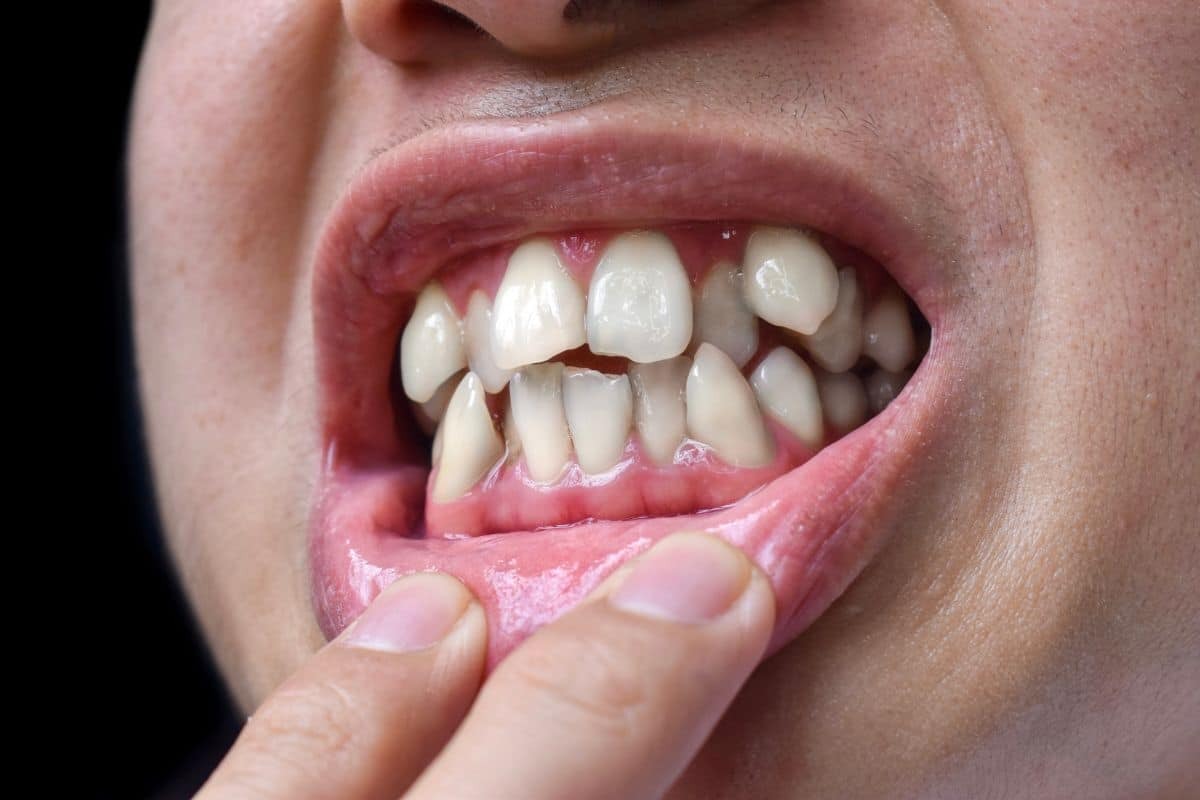
When it comes to taking care of your teeth, most people think about brushing, flossing, and going to the dentist. While these are very important, they aren’t always enough to keep your mouth healthy for life. Orthodontic care plays a key role in improving your overall oral health, especially if your teeth aren’t perfectly aligned. Correcting bite and alignment problems can prevent many future oral health issues.
Here we’ll talk about how orthodontic care can improve your oral health, the benefits of orthodontic treatment, the types of treatments available, and why you might want to consider seeing an orthodontist for a healthier mouth.
The Importance of Oral Health
Having a healthy mouth is more than just having a pretty smile. It’s closely connected to your overall health. Your mouth is the entry point to your body, and poor oral health can lead to more serious problems beyond just tooth decay or gum disease. For example, if your teeth are crooked or your bite is off, it can make chewing harder, cause headaches, or even lead to jaw pain over time.
Orthodontic care helps correct these problems. When your teeth and jaws are properly aligned, it’s easier to maintain good oral hygiene, avoid damage to your teeth, and prevent other health issues.
Common Dental Problems That Orthodontics Can Address
Orthodontics is mainly about fixing misalignments in your teeth and jaw. Here are a few common problems that orthodontic care can help fix:
1. Crooked Teeth
Crooked teeth are one of the most common reasons people get orthodontic treatment. When your teeth are misaligned, it’s harder to clean them properly, leading to plaque buildup, cavities, and even gum disease.
2. Overbite and Underbite
An overbite is when your upper teeth stick out too far over your lower teeth, and an underbite happens when your lower teeth extend beyond your upper teeth. Both can make chewing uncomfortable, cause tooth damage, or even lead to jaw problems.
3. Crossbite
A crossbite happens when your teeth don’t line up properly, which can cause problems like gum recession, tooth enamel wear, and even bone loss if not treated.
4. Open Bite
This happens when your upper and lower teeth don’t meet when you close your mouth. It can make eating and speaking difficult, and might even cause jaw pain.
5. Overcrowding
When there’s not enough space in your mouth for all your teeth, they can become crowded. This makes it harder to clean them and can lead to misalignment.
Orthodontics offers a range of solutions to fix these issues and help your teeth look and function better.
Benefits of Orthodontic Treatment for Overall Health
Orthodontic care doesn’t just help improve your smile—it also offers several health benefits:
1. Improved Oral Hygiene
If your teeth are misaligned, it can be harder to brush and floss them properly. This makes it easier for plaque to build up, leading to cavities and gum disease. By fixing the alignment, orthodontic treatment makes it easier to clean your teeth, keeping them healthier.
2. Better Bite Function
When your teeth are properly aligned, it improves your bite. This means chewing and speaking are easier and more comfortable. It can also help reduce the strain on your jaw, which can prevent pain and headaches.
3. Preventing TMJ Disorders
TMJ disorders are problems with the temporomandibular joint (the joint that connects your jaw to your skull). Misaligned teeth or jaws can contribute to TMJ pain, which causes headaches, jaw pain, and trouble opening or closing your mouth. Orthodontic treatment can help fix these problems and reduce your risk of TMJ disorders.
4. Boosted Confidence and Self-Esteem
A straight, healthy smile doesn’t just look good; it can also boost your confidence. Feeling better about your smile can positively impact your self-esteem and quality of life.
5. Preventing Future Oral Health Problems
By fixing alignment issues early, orthodontic care can stop bigger dental problems from happening later. For example, crooked teeth can cause uneven wear, which might lead to cracked teeth or tooth loss. Treating alignment problems early helps avoid these issues.
Types of Orthodontic Treatments Available
Orthodontic treatments have come a long way over the years, and there are many options to choose from. Here are the most common treatments:
1. Traditional Metal Braces
Orthodontic treatment most commonly involves traditional metal braces. They consist of metal brackets and wires that work together to gradually move your teeth into their correct position. Although they are effective, some people feel they are more noticeable.
2. Ceramic Braces
Ceramic braces work the same way as traditional metal braces but are made of clear or tooth-colored materials, making them less noticeable. These are a great option for those who want a more discreet treatment.
3. Invisalign
Invisalign is a modern alternative to traditional braces. It uses clear, custom-made plastic aligners that gradually shift your teeth. These aligners are removable, which makes it easier to eat, drink, and clean your teeth during treatment. Many adults and teenagers prefer Invisalign because it is less noticeable.
4. Lingual Braces
Lingual braces are placed on the inside of your teeth, so they are hidden from view. They work similarly to traditional metal braces but offer a more discreet option for people who want braces without visible wires.
5. Clear Aligners
Clear aligners are another removable option for orthodontic treatment. They are custom-made, clear, and less noticeable than traditional braces. Like Invisalign, they can be removed for eating and brushing your teeth.
Steps to Take Before Starting Orthodontic Treatment
Before starting orthodontic treatment, you’ll need to follow a few important steps to make sure the process goes smoothly:
- Consultation: Make an appointment with an orthodontist near you to discuss your goals and get a treatment plan tailored to your needs. The orthodontist will evaluate your oral health and explain the best treatment options.
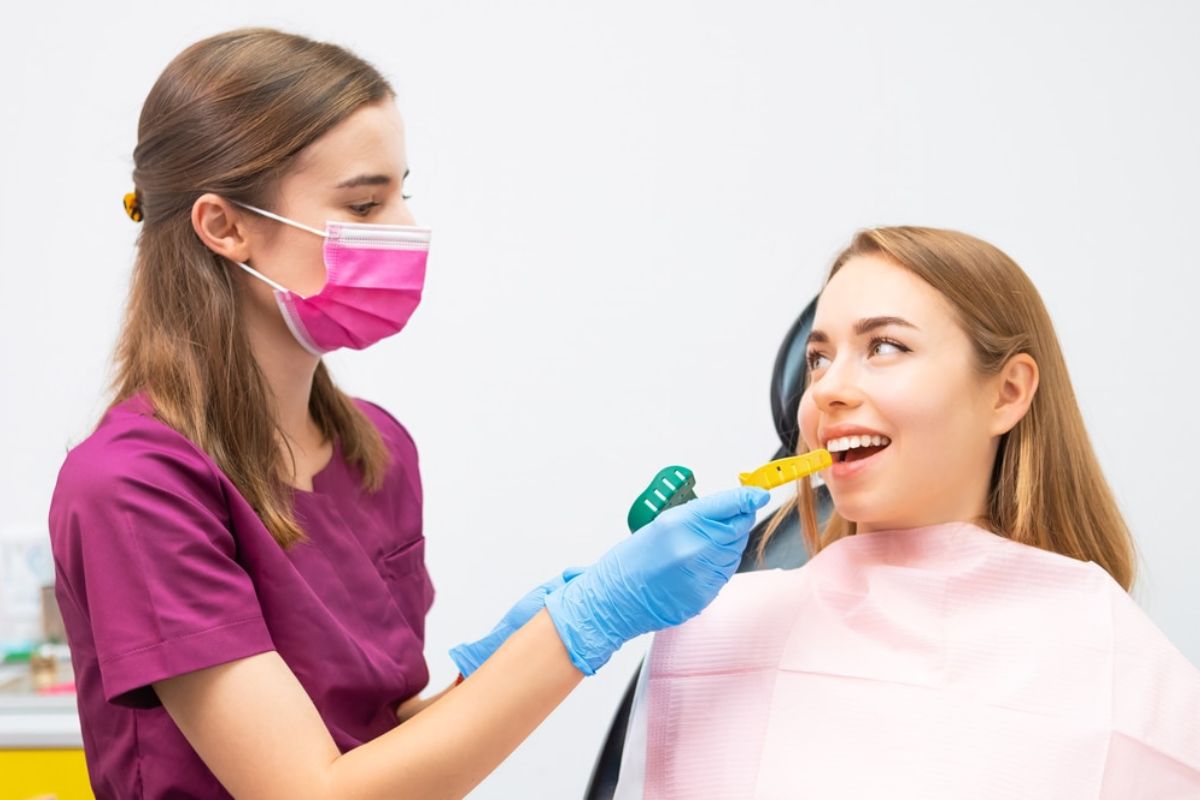
- X-rays and Impressions: Your orthodontist may take X-rays and impressions of your teeth to help plan your treatment.
- Cleaning and Exam: Your teeth and gums will be cleaned, and any cavities or dental issues will be addressed before starting treatment.
- Setting Expectations: It’s important to understand the duration of your treatment, the cost, and any special care instructions. Your orthodontist will explain what to expect, including how often you’ll need to visit their orthodontist office for adjustments.
Maintaining Good Oral Hygiene During and After Treatment
While you’re undergoing orthodontic treatment, it’s important to take good care of your teeth. Here are some tips:
- Brush Regularly: Brush your teeth after every meal to prevent food from getting stuck in your braces or aligners.
- Use Floss Threaders: Flossing can be difficult with braces, but you can use a floss threader to clean between the brackets and wires.
- Use a Water Flosser: A water flosser is a great tool to help remove food particles and plaque around your braces or aligners.
- Avoid Certain Foods: Some foods, like sticky candies or hard foods, can damage your braces or aligners. Stick to foods that are easier on your treatment.
After treatment, follow your orthodontist’s instructions, including wearing your retainer to keep your teeth in place.
Long-term Impact of Orthodontic Care on Oral Health
Orthodontic treatment has lasting benefits for your oral health. Here’s how it can help in the long run:
- Healthier Teeth and Gums: Straight teeth are much easier to clean, which helps keep your gums healthy and reduces the risk of cavities.
- Improved Bite Function: When your bite is properly aligned, chewing is easier and more comfortable. It also helps avoid excessive wear on your teeth and jaw.
- Reduced Risk of Tooth Damage: Misaligned teeth are more likely to get damaged. Orthodontic treatment helps prevent unnecessary wear, fractures, and other dental issues.
- Prevention of Future Dental Problems: By fixing alignment issues early, orthodontic care can prevent more serious problems down the line, saving you time and money in the future.
Choosing the Right Orthodontist
Choosing the right orthodontist is crucial to ensure you get the best care possible. Here are a few tips:
- Credentials: Make sure the orthodontist is board-certified and has the proper training and experience.
- Experience: Find an orthodontist who specializes in the treatment you want, whether it’s traditional braces, Invisalign, or another option.
- Reviews and Recommendations: Look up reviews or ask friends and family for recommendations. You want to choose an orthodontist with a good reputation.
- Comfort and Communication: It’s important to feel comfortable with your orthodontist. Make sure they listen to your concerns and answer any questions you have.
If you’re looking for a top-notch orthodontist in Boca Raton or want to find an orthodontist office near you call Shelling Orthodontics at 954-899-0639 and schedule a consultation today.
FAQs
Q: How long does orthodontic treatment take?
A: The length of treatment depends on the severity of your alignment issues. On average, treatment takes anywhere from 18 months to 3 years.
Q: Is orthodontic treatment just for kids?
A: No! Orthodontic treatment is for people of all ages. Many adults get braces or Invisalign to improve their smile and oral health.
Q: Do braces hurt?
A: Braces can cause some discomfort, especially after adjustments, but the pain is usually mild and temporary. Over-the-counter pain relievers can help.
Q: Will I need to wear a retainer?
A: Yes, after your treatment, you’ll need to wear a retainer to keep your teeth in their new positions.
Q: How much does orthodontic treatment cost?
A: The cost depends on the type of treatment, how long it will take, and other factors. Many orthodontists offer payment plans to make it more affordable.
Orthodontic care is a great way to improve your smile, your bite, and your overall oral health. By addressing alignment issues now, you can prevent bigger problems later, giving you a healthier mouth for years to come.