Boca Raton, FL

What Causes Bite Problems and How Orthodontists Fix Them

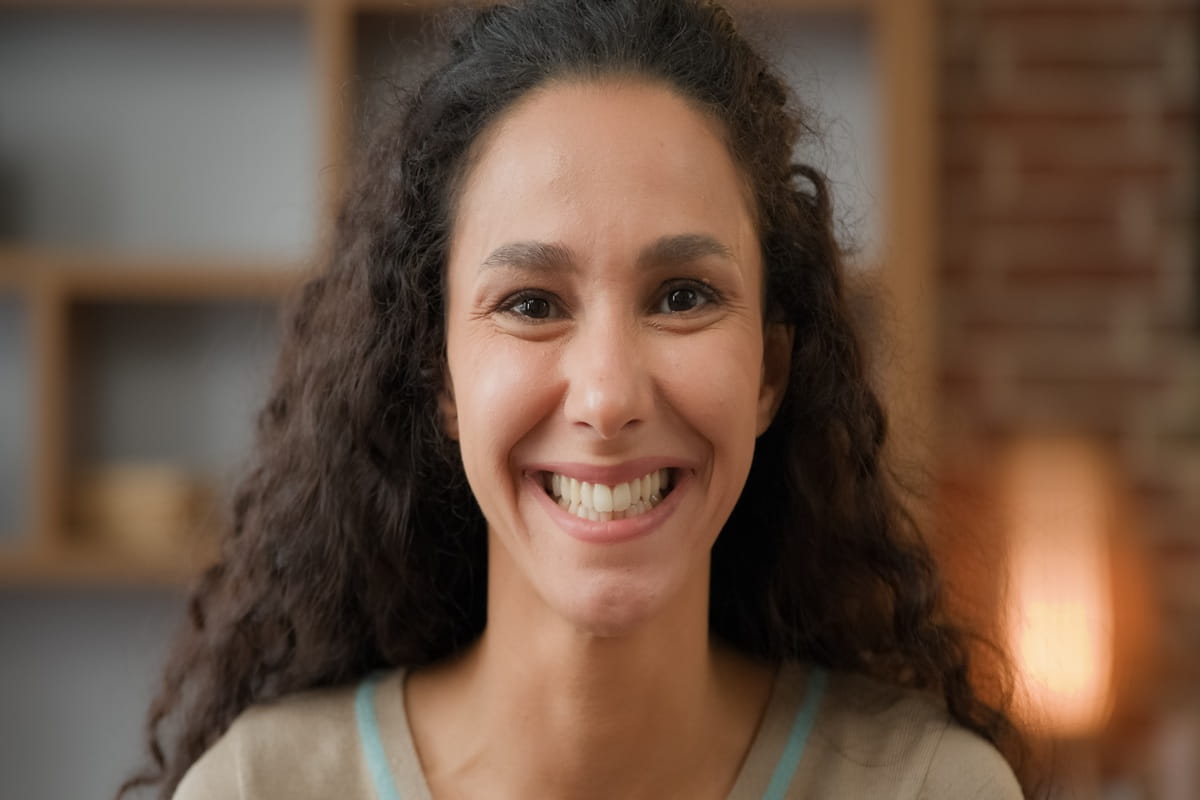
When you think about a beautiful smile, straight teeth are probably the first thing that comes to mind. But a truly healthy smile is about much more than just aesthetics. It is also about functionality. How your upper and lower teeth meet when you chew, speak, or close your mouth is called your occlusion, or your bite.
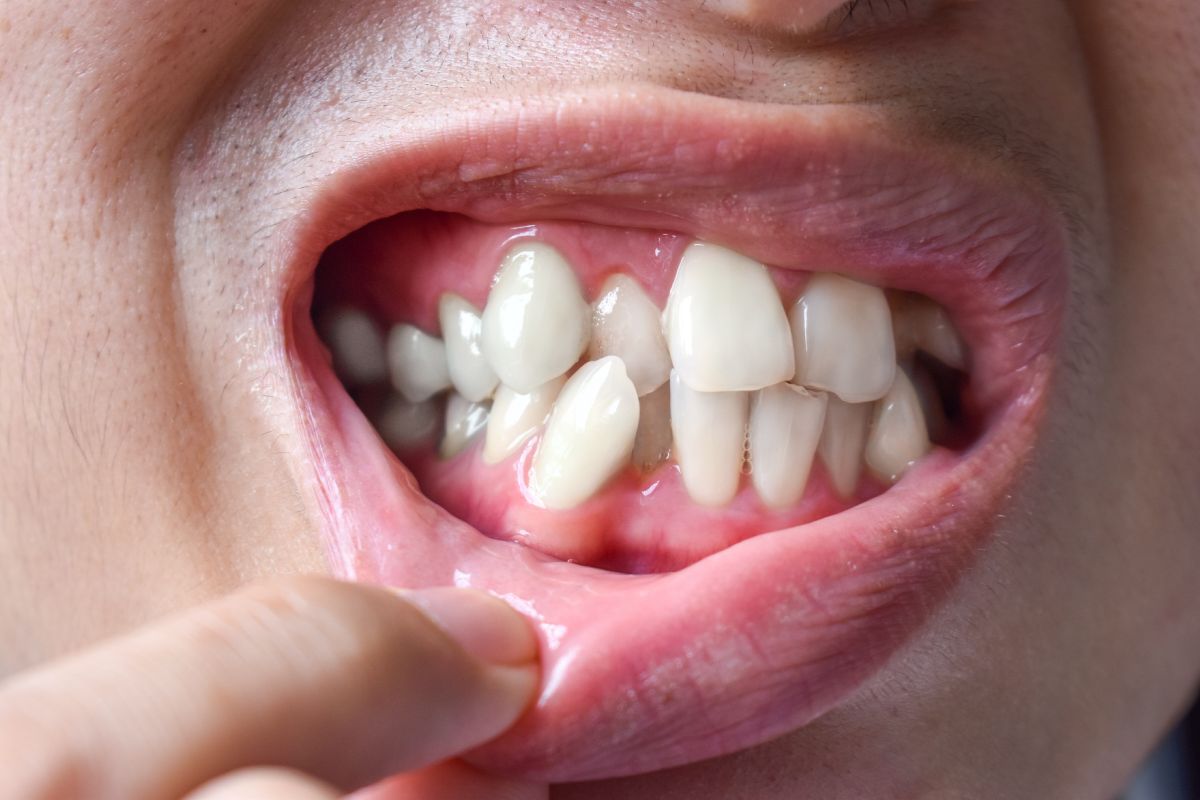
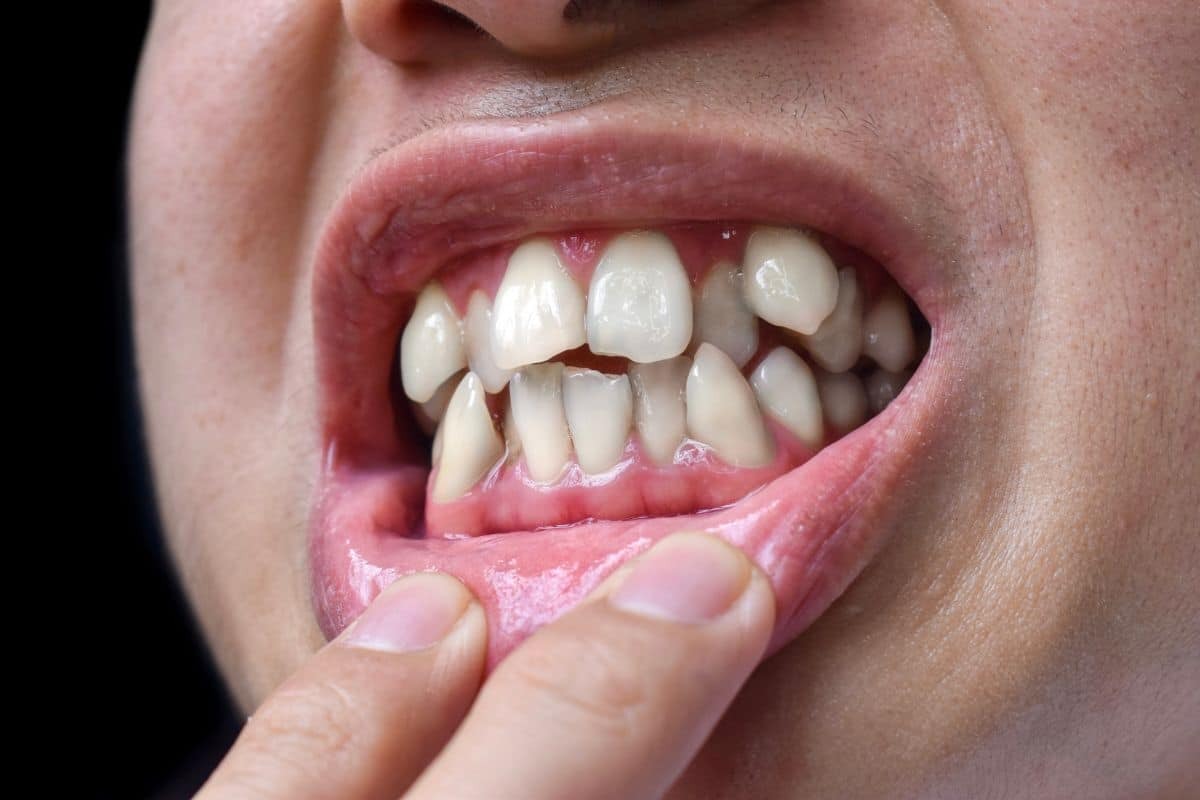
When your teeth do not align properly, it is known as a malocclusion, or a bite problem. Bite issues can cause everything from uneven tooth wear and chronic jaw pain to difficulties chewing your favorite foods.
If you or your child is struggling with an uneven smile, you are not alone. Understanding what causes these alignment issues is the first step toward a healthier mouth. Let’s dive into the common causes behind misaligned teeth and how an expert orthodontist can help correct them to restore both your confidence and your oral health.
The Common Types of Bite Problems
Before exploring the root causes, it helps to identify what a bite problem actually looks like. Not all malocclusions are the same. In fact, an orthodontist generally categorizes them into a few primary types:
- Overbite: The upper front teeth overlap excessively over the lower front teeth. In severe cases, the lower teeth can bite into the roof of the mouth.
- Underbite: The lower jaw extends forward, causing the lower front teeth to sit ahead of the upper front teeth when the mouth is closed.
- Crossbite: Some of the upper teeth sit inside the lower teeth rather than outside of them. This can happen on the sides of the mouth (posterior) or the front (anterior).
- Open Bite: The upper and lower front teeth do not touch at all when the back teeth are biting together, leaving a visible gap.
- Crowding and Spacing: Teeth that are bunched together, twisted, or overlapping due to a lack of space, or noticeable gaps between teeth due to excess room in the jaw.
What Causes Bite Problems?
Bite problems rarely develop overnight. Instead, they are typically the result of genetic factors, developmental issues, or specific childhood habits.
1. Genetics and Inherited Traits
Just like you inherit your eye color, hair texture, and height from your parents, you also inherit the structure of your jaw and teeth. Genetics is the most common cause of malocclusions. If your mother or father had a narrow upper jaw, crowded teeth, or an underbite, there is a strong chance you or your children might experience something similar. Inherited traits often determine the size of your jaw bone, meaning your mouth might simply be too small for your teeth (causing crowding) or too large (causing spacing issues).
2. Childhood Habits
Repetitive habits during early childhood development can physically alter the shape of the jaw bone and the position of emerging teeth. Common culprits include:
- Prolonged Thumb Sucking or Pacifier Use: While completely normal for infants, continuing these habits past the age of 3 or 4 can push the upper front teeth outward and pull the lower teeth inward, frequently resulting in an open bite or overbite.
- Tongue Thrusting: This occurs when a child presses their tongue too far forward against their front teeth when swallowing or speaking, forcing the teeth outward over time.
- Mouth Breathing: Chronic mouth breathing, often caused by allergies or enlarged tonsils, forces the jaw to drop downward and backward, which can alter facial growth and narrow the upper dental arch.
3. Premature Loss of Baby Teeth or Trauma
Baby teeth act as natural space maintainers for permanent teeth. If a child loses a baby tooth early due to decay or physical trauma, the neighboring teeth can drift into the open space. When the permanent tooth finally tries to erupt, it may be blocked, come in at an awkward angle, or cause severe crowding. Similarly, a jaw injury at any age can shift the jaw structure out of alignment, creating a sudden bite imbalance.
How Orthodontists Fix Bite Problems
The good news is that modern orthodontic treatment is highly advanced, predictable, and customizable. An experienced specialist can evaluate the specific mechanics of your mouth and design a targeted plan to align your teeth and jaws perfectly.
Depending on your age, lifestyle, and the severity of your malocclusion, several highly effective solutions are available:
Traditional Metal Braces
Traditional metal braces remain one of the most reliable and powerful tools for correcting complex bite issues. Using a system of high-grade stainless steel brackets, wires, and small elastics, braces exert continuous, gentle pressure on your teeth. Over time, this pressure safely guides your teeth into their ideal positions and can even reposition the jaw. Metal braces are highly effective for severe overbites, underbites, and rotational issues.
Clear and Self-Ligating Braces
For patients who want the heavy-duty correction of traditional braces without the high-visibility metal look, clear ceramic braces are an excellent alternative. They function exactly like metal braces but blend in naturally with your enamel. Additionally, self-ligating braces utilize a specialized clip instead of elastics to hold the wire in place. This reduces friction on the teeth and often translates to fewer adjustments and greater comfort throughout your treatment.
Invisalign® Clear Aligners
If you prefer a discreet, flexible option, Invisalign might be the ideal choice. This system utilizes a series of custom-made, clear, medical-grade plastic trays that fit snugly over your teeth. Every one to two weeks, you switch to a new set of aligners that gently move your teeth a fraction of a millimeter.
Invisalign aligners are completely removable, meaning you can eat your favorite foods and brush your teeth with ease. Combined with specialized attachments and orthodontic elastics, clear aligners can successfully treat mild to severe bite issues in both teens and adults.
Orthodontic Appliances
In growing children, special appliances can be used to influence jaw growth before all the permanent teeth arrive. For example, a palatal expander can gently widen a narrow upper jaw to correct a crossbite or clear up crowding before it starts. For adults with severe skeletal bite issues that cannot be resolved with braces alone, an orthodontist can work alongside an oral surgeon to coordinate corrective jaw surgery.
Why You Shouldn’t Ignore a Bad Bite
Fixing a bite problem isn’t just about boosting your self-esteem; it’s an investment in your systemic and long-term oral health. Leaving a malocclusion untreated can lead to a variety of secondary complications, including:
- Accelerated Tooth Wear: An uneven bite forces certain teeth to work harder than others, causing premature enamel wear, chipping, and fractures.
- Jaw Pain and TMJ Disorders: Misaligned jaws put immense strain on the temporomandibular joints (TMJ) and surrounding muscles, leading to chronic headaches, neck pain, and jaw clicking.
- Increased Risk of Decay and Gum Disease: Overlapping or severely crowded teeth create tight spaces that are nearly impossible to clean with regular brushing and flossing, increasing plaque buildup.
- Speech and Chewing Difficulties: Severe open bites or underbites can make it difficult to pronounce certain sounds clearly or chew food efficiently, impacting digestion.
Frequently Asked Questions
1. Can adults fix their bite problems, or is it only for kids?
It is never too late to correct a bite issue! While it is easier to guide jaw alignment during childhood, when the bones are still growing, adult bones can still be safely guided into place. Today, an increasing number of adults choose clear braces or Invisalign to correct longstanding bite issues comfortably and discreetly.
2. How long does orthodontic treatment take to fix a bad bite?
The duration of treatment varies based on the complexity of the alignment issue, the health of your teeth, and patient compliance. On average, most comprehensive bite corrections take anywhere from 12 to 24 months. Your specialist will provide a precise timeline during your initial consultation.
3. Will fixing my bite change my face shape?
Yes, in a positive way! Correcting an overbite, underbite, or crossbite can improve your facial symmetry, balance your profile, and give your jawline a more natural, defined appearance by bringing your jaws into absolute harmony.
Ready to Transform Your Smile? Book an Appointment Today!
You don’t have to live with the discomfort or self-consciousness of an improper bite. At Shelling Orthodontics Boca Raton, Dr. Robert Shelling, Dr. Blair Cohen, and our friendly team have been helping families across South Florida achieve radiant, functional, and healthy smiles since 2008.
Whether you are looking into traditional braces for your teenager or exploring Invisalign clear aligners for yourself, we are here to provide personalized, elite care in a warm and comforting environment.
Don’t wait to give yourself the smile you deserve. Take the first step toward a perfectly aligned bite and visit our dental office for a complimentary consultation. Book an appointment with Shelling Orthodontics Boca Raton today by calling 561-477-4844 or visiting our website!