Boca Raton, FL

Overbite vs. Underbite: Understanding Misaligned Bites


A perfectly aligned bite is crucial for proper chewing, speaking, and overall oral health. However, many individuals experience misalignments, commonly known as overbites and underbites. If left untreated, these conditions can lead to various complications. This blog aims to clarify the differences between overbites and underbites, explore their causes, and discuss available treatment options.
What are Overbites and Underbites?
The terms “overbite” and “underbite” describe specific types of malocclusion, which is the medical term for a misalignment of the teeth. Understanding the distinction between these two is essential for recognizing the appropriate treatment.
- Overbite: An overbite, also known as a deep bite, occurs when the upper front teeth significantly overlap the lower front teeth. A slight overlap is normal, but an excessive overlap can cause problems.
- Underbite: An underbite, also called prognathism, happens when the lower front teeth protrude beyond the upper front teeth.
Causes of Overbites and Underbites
Several factors can contribute to the development of overbites and underbites. These can be categorized as genetic, developmental, or environmental.
Genetic Factors:
- Inherited traits play a significant role in jaw and tooth alignment. If your parents or other family members have overbites or underbites, you are more likely to develop them as well.
- Genetic conditions, such as Crouzon syndrome or Apert syndrome, can affect facial bone growth, leading to malocclusion.
Developmental Factors:
- Childhood habits: Thumb sucking, prolonged pacifier use, and tongue thrusting can alter the development of the jaw and teeth, resulting in overbites or underbites.
- Missing teeth: The loss of a baby or permanent teeth can cause adjacent teeth to shift, affecting the alignment of the bite.
- Abnormal jaw growth: Discrepancies in the growth rates of the upper and lower jaws can lead to misalignments.
Environmental Factors:
- Injuries: Trauma to the jaw or face can cause misalignment of the teeth and jaw.
- Temporomandibular joint (TMJ) disorders: Problems with the TMJ, the joint that connects the jaw to the skull, can affect bite alignment.
Potential Complications of Untreated Overbites and Underbites
Ignoring overbites and underbites can lead to various oral health problems.
- Difficulty chewing and speaking: Misaligned bites can interfere with proper chewing and articulation.
- Jaw pain and TMJ disorders: Uneven pressure on the jaw joint can cause pain and discomfort.
- Tooth wear and damage: Misaligned teeth can rub against each other, leading to enamel wear, chipping, and fractures.
- Gum disease and tooth decay: Overlapping teeth can be difficult to clean, increasing the risk of plaque buildup and gum inflammation.
- Aesthetic concerns: Severe misalignments can affect facial appearance and self-esteem.
- Sleep apnea: In some cases, underbites can contribute to obstructive sleep apnea.
Treatment Options for Overbites and Underbites
The treatment approach for overbites and underbites depends on the severity of the misalignment and the individual’s age.
Orthodontic Treatments:
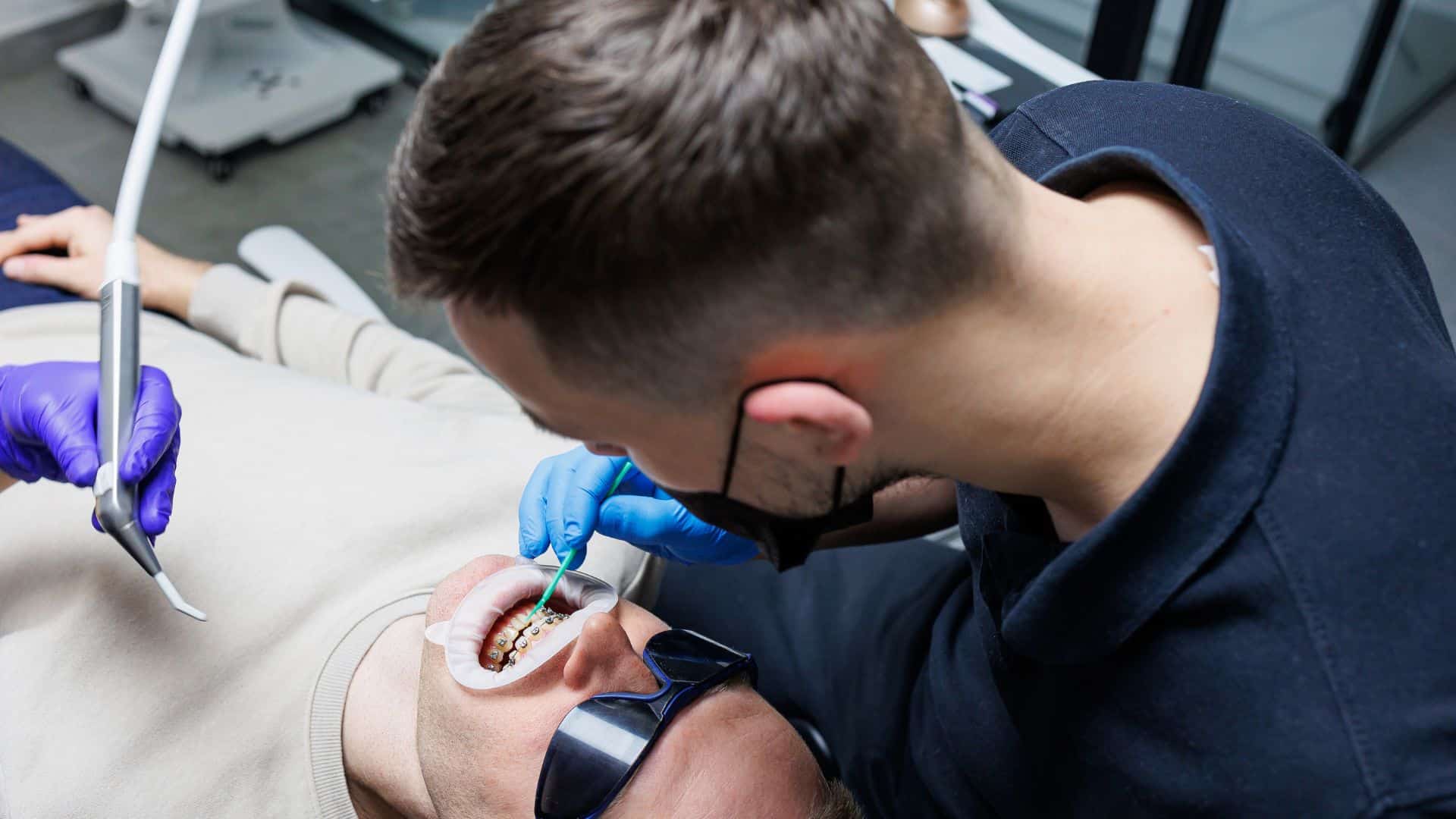
- Braces: Traditional metal braces, ceramic braces, or lingual braces can gradually shift teeth into the correct position.
- Invisalign: Clear aligners offer a discreet alternative to braces for mild to moderate misalignments.
- Retainers: After braces or Invisalign treatment, retainers are used to maintain the corrected alignment.
- Palatal expanders: These devices widen the upper jaw to create more space for teeth.
Surgical Treatments:
- Jaw surgery (orthognathic surgery): In severe cases, particularly underbites, surgery may be necessary to reposition the jaw. This is often combined with orthodontic treatment.
- Tooth extraction: Removing certain teeth can create space for the remaining teeth to align properly.
Other Treatments:
- Dental appliances: Various appliances, such as headgear or functional appliances, can help guide jaw growth in children and adolescents.
- Restorative dentistry: Dental crowns or veneers can improve the appearance and function of teeth damaged by misalignments.
Seeking Professional Help
If you suspect you have an overbite or underbite, it is essential to consult with an orthodontist or dentist. They can evaluate your bite, determine the underlying cause, and recommend the most appropriate treatment plan. For those living in the South Florida area, it is important to find a qualified orthodontist in Boca Raton to receive the proper care. Early intervention, especially in children, can prevent more severe problems later in life.
Maintaining good oral hygiene, including regular brushing, flossing, and dental checkups, is also crucial for overall oral health. If you are experiencing any discomfort or have concerns about your bite, visit our dental office to receive a professional examination. We can help you understand your options and create a personalized treatment plan. To start your journey towards a healthier smile, book an appointment with us today. By understanding the causes and treatments of overbites and underbites, you can take proactive steps to achieve a healthy and beautiful smile.